Enrichment of silver-bearing ores
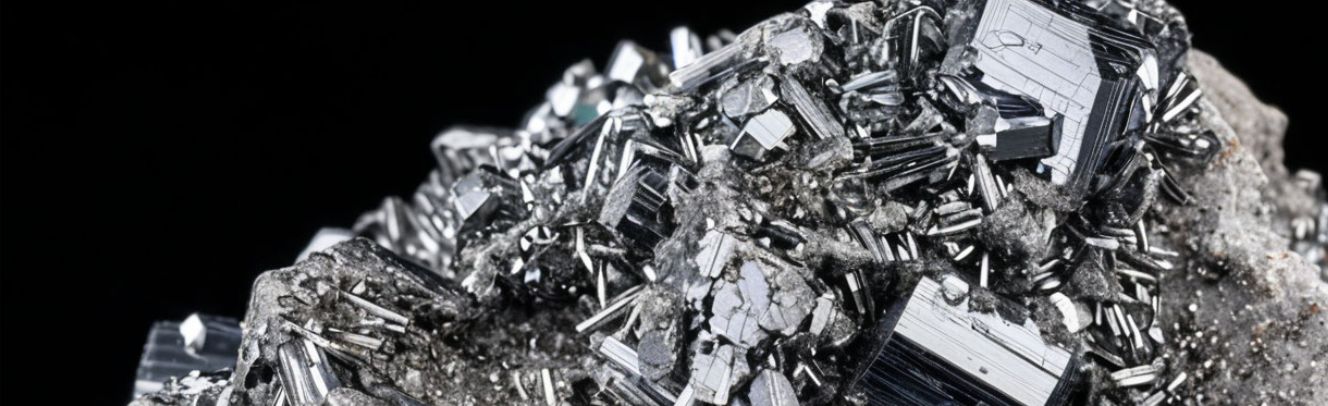
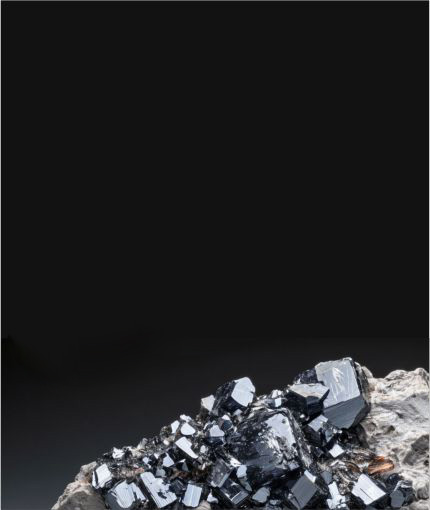
Silver, being a precious metal with unique characteristics, plays a crucial role in the development of modern technologies in many industries. Increased demand for clean technologies such as solar energy and electric vehicles is outpacing silver mining. This trend emphasizes the importance of sustainable production and recycling of this metal, which in turn drives the search for new and efficient recovery methods.
In various industries, silver finds a wide range of applications due to its unique properties. For example, in electronics and electrical engineering, silver is used as conductors, contacts and solder; in medicine and healthcare as an antimicrobial coating, implants and diagnostic equipment; in the energy industry, the energy industry relies on silver's efficiency in solar panels, photovoltaic cells, batteries and silver-zinc batteries; and in the chemical industry, silver is used in catalysts, mirrors and coatings. Silver is also used in jewelry and investments, water treatment and purification, and the automotive industry.
Current Challenges
-
Reduction of silver content in oresAs deposits are mined and developed, silver content declines, making it more difficult to recover and increasing the cost of production
-
Complex mineralogical compositionSilver is often in close association with other minerals, making it difficult to separate selectively. The presence of impurities and base metals requires sophisticated separation techniques
-
High production costModern enrichment technologies must meet strict environmental standards. Minimizing production waste, reducing water and energy consumption are key challenges for the industry
Enrichment
The enrichment of silver-bearing ores is a complex task that requires the application of modern technologies that take into account a variety of parameters.
The efficiency and economic viability of silver-bearing ore beneficiation depends directly on the selection of the optimal beneficiation method. This choice is dictated by a number of factors: ore type, silver content, mineral composition, grain size, presence of other valuable components, as well as geological and geographical conditions of the deposit.
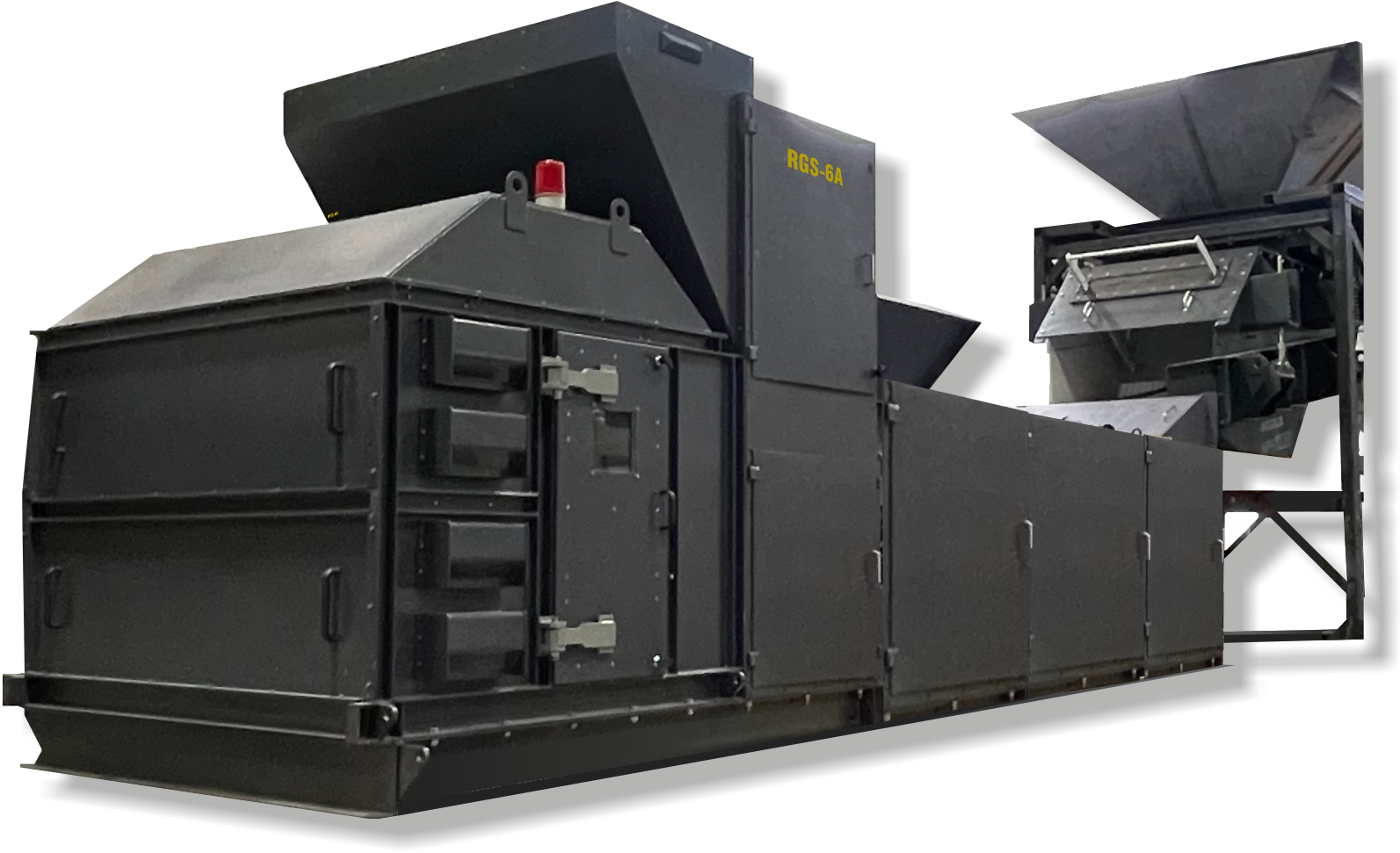
X-ray absorption (XRT) method of separation, based on the analysis of differential absorption of X-rays by various minerals contained in the ore, is a promising technology for the preliminary enrichment of silver-bearing ores. This method provides separation of valuable mineral components and quantitative assessment of their content in the sample. The efficiency of X-ray absorption (XRT) separation of silver-bearing ores is due to the fact that minerals with a higher effective atomic number (Zeff) or X-ray density (ρx) demonstrate an increased ability to absorb X-rays. The atomic density and chemical composition of minerals determine their ability to absorb X-rays.
Silver and silver-bearing minerals (e.g., native silver, argentite, silver-bearing sulfides/sulfosols) absorb X-rays much more strongly than most associated rock minerals (e.g., quartz, pyrite, etc.). This difference in absorption is used to separate pieces of silver-bearing ore - “rough concentrate” - an intermediate beneficiation product containing more silver than the original ore - from waste rock - “tailings” - waste rock that does not contain enough silver for further processing. This process can significantly reduce the volume of ore processed, which can reduce the cost of further processing by 20-30%. However, the XRT method may have limitations in the accuracy of silver grade determination and requires additional analysis to confirm the results.
Opportunities for X-ray absorption (XRT) separation of silver-bearing ore
-
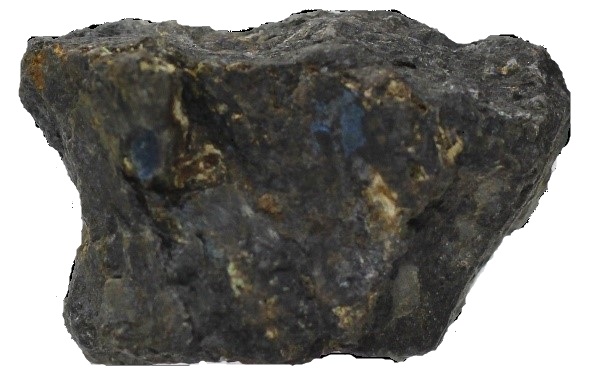
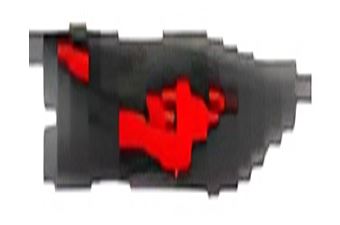
Example of X-ray image of a piece of “rough concentrate” from the pre-processing of silver-bearing ore (-50+25) Ag-4.03 g/t
-
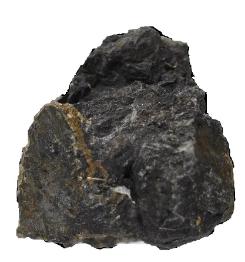
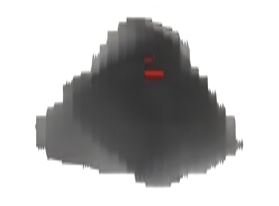
Example of radiographic image of a piece of “dump tailings” in the pre-processing of silver-bearing ore (-50+25) Ag-0.01 g/t
X-ray absorption (XRT) separation is a promising method of silver-bearing ore beneficiation with a number of significant advantages:
-
High efficiency
XRT separation demonstrates high efficiency when working with ores of different mineral and particle size distributions. In pre-processing, XRT helps to increase the silver concentration in the concentrate, which is particularly important when the silver content of the ore is low.
-
Cost-effectiveness
XRT separation can significantly reduce the volume of material to be further processed, resulting in lower energy consumption, transportation costs and subsequent beneficiation stages.
-
Environmental friendliness
XRT separation does not involve the use of chemical reagents and has no negative impact on the environment.
-
Versatility and performance
XRT separation can be applied to treat various types of silver-bearing ores in an automated process.
Application of X-ray absorption (XRT) separation of silver-bearing ore:
-
Ore processing
XRT separation is used to pre-process silver-bearing ores prior to the application of conventional silver recovery methods, demonstrating particular efficiency in the treatment of low-grade ores.
-
Tailings processing
XRT separation allows ore to be beneficiated from tailings after conventional processing, thereby improving overall ore utilization efficiency and minimizing the loss of valuable raw materials.
-
Processing of fines
XRT separation effectively separates silver from the fine ore fraction, allowing extra silver to be recovered that would have been lost using other methods.
Conclusion
X-ray absorption separation technology (XRT) is a reliable and environmentally friendly method of silver-bearing ore beneficiation, which is most effectively applied in the processing of ores with high contrast. Application of this technology allows to significantly reduce the volume of processed material, as well as to minimize the consumption of water and chemical reagents during under-sieving processing. Given its promising potential, XRT technology has the potential to take a leading position among modern methods of processing various ores.