Art expertise
Art expertise is a procedure for determining the authenticity, cultural and material value of cultural and art objects. The range of examined objects includes paintings, icons, sculptures, various kinds of antique weapons.
Experts examine virtually any object of historical value, such as dishes, postcards or stamps, etc. The examination is carried out by specialists who have the necessary qualifications in the required field. These may be art experts, restorers, employees of museums and various historical and philological archives.
X-ray diffraction analysis
X-ray diffraction is a non-destructive method of investigation and is effectively used to analyze the phase composition and internal structure of crystals. Each crystalline substance is characterized by a unique diffraction pattern that serves as its diagnostic sign.
The phase (mineral) composition of paints used in the creation of paintings can be a reliable indicator of the time of creation of an object of art, as well as serve as an important criterion in the restoration of paintings - the creation of authentic paint for restoration.
Thus, the determination of the phase (mineral) composition of paints used to create art objects is an urgent task in the field of art history.
X-ray diffraction analysis allows to create criteria for diagnostics of different paints by their mineral composition for restoration works and estimation of the age of art objects.
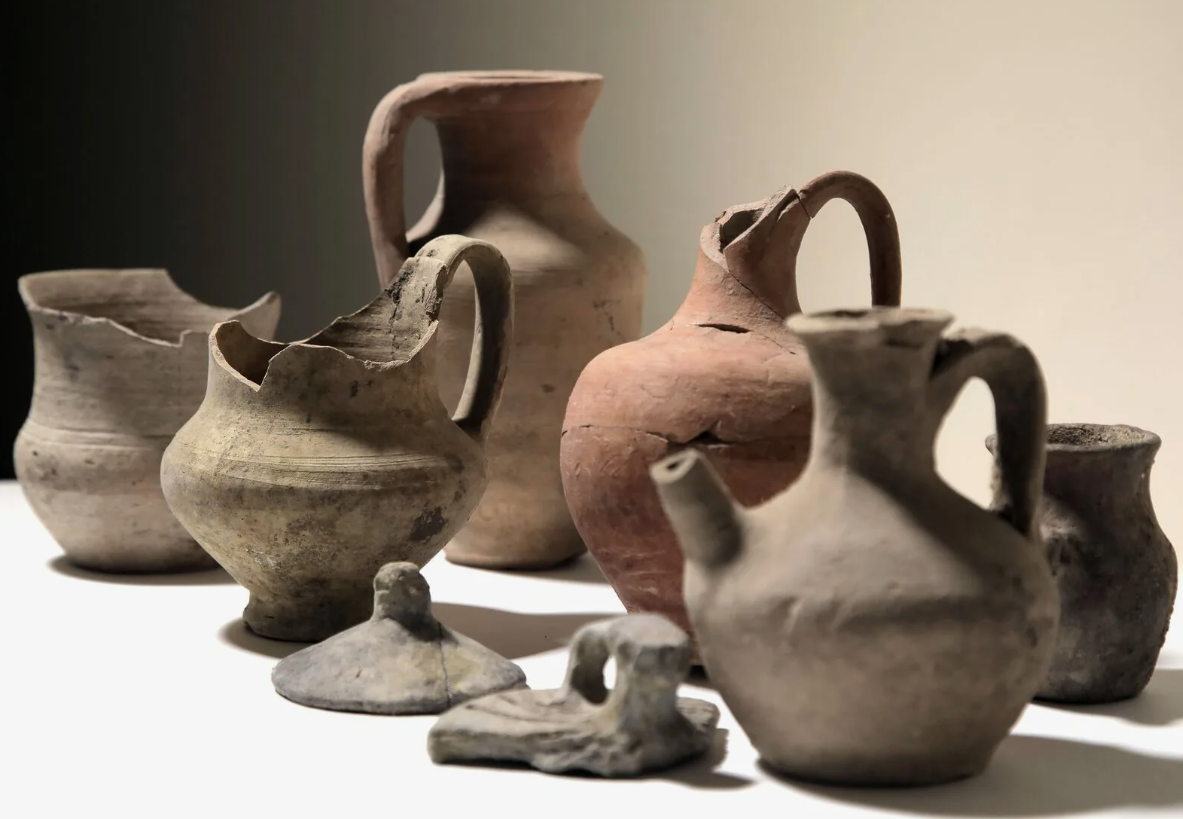
Ceramic products and household items (tiles, tiles, bricks, etc.) can also be the objects of study by non-destructive X-ray diffraction methods.
The analysis of mineral composition and structural state of ceramics is informative not only for determining their age and authenticity, but also for deciphering ancient technologies of their manufacture, which is very relevant for the restoration of cultural property and archaeological finds.
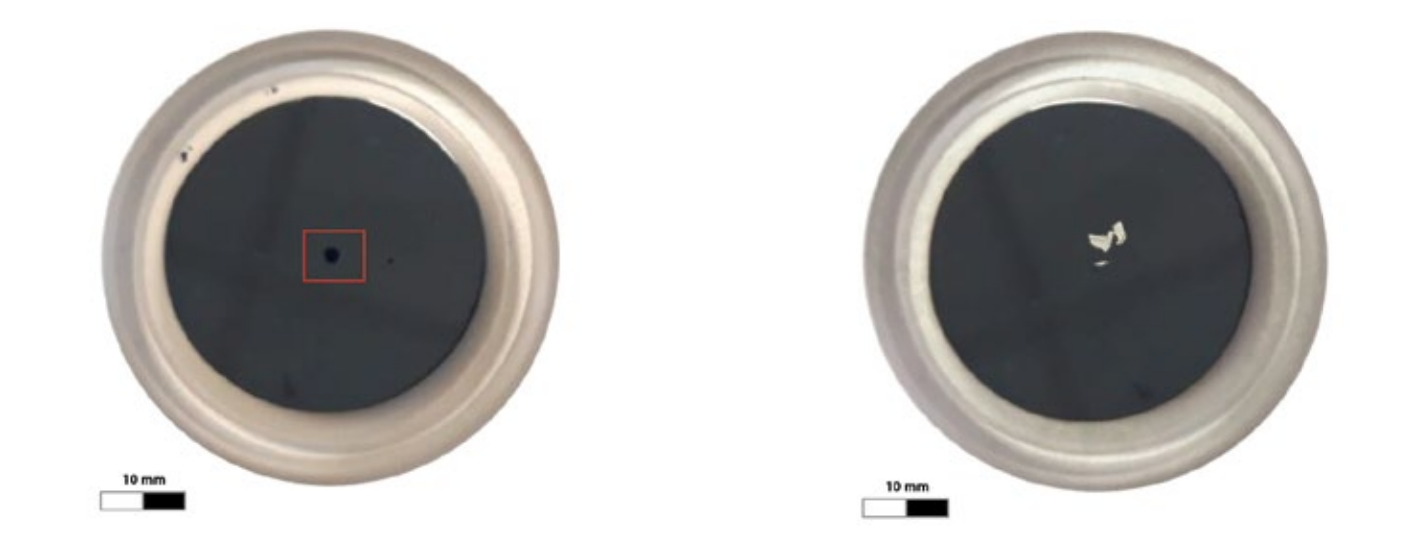
Samples of paint on a low background substrate of monocrystalline silicon (ultramarine from the painting “In the Room” by V.V. Pakulin. “In the Room” (left) and zinc whitewash from the 1941 paint on the right)
The studied samples:
ultramarines and zinc whites of Russian, Soviet and foreign production from the beginning, middle and end of the 20th century (1906, 1941, 1980s and 1990s), as well as modern ultramarines and paint samples taken from paintings from the collection of the State Russian Museum, which were painted in different years of the first half of the 20th century.
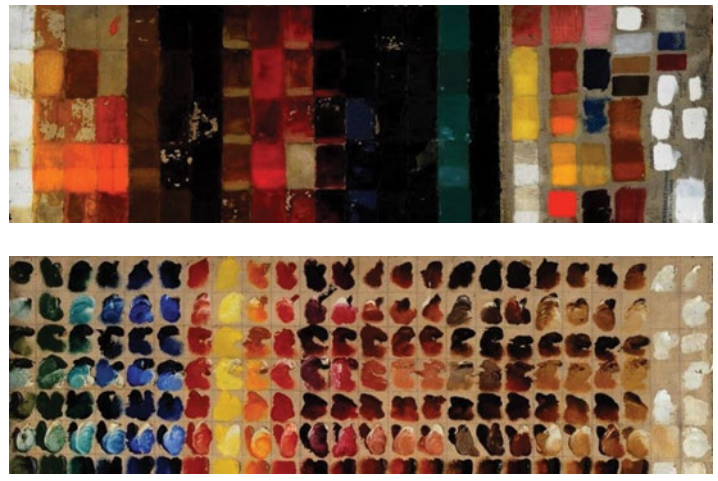
Paintings from 1906 (above) and 1941 (below), from which particles of ultramarine and whitewash were taken
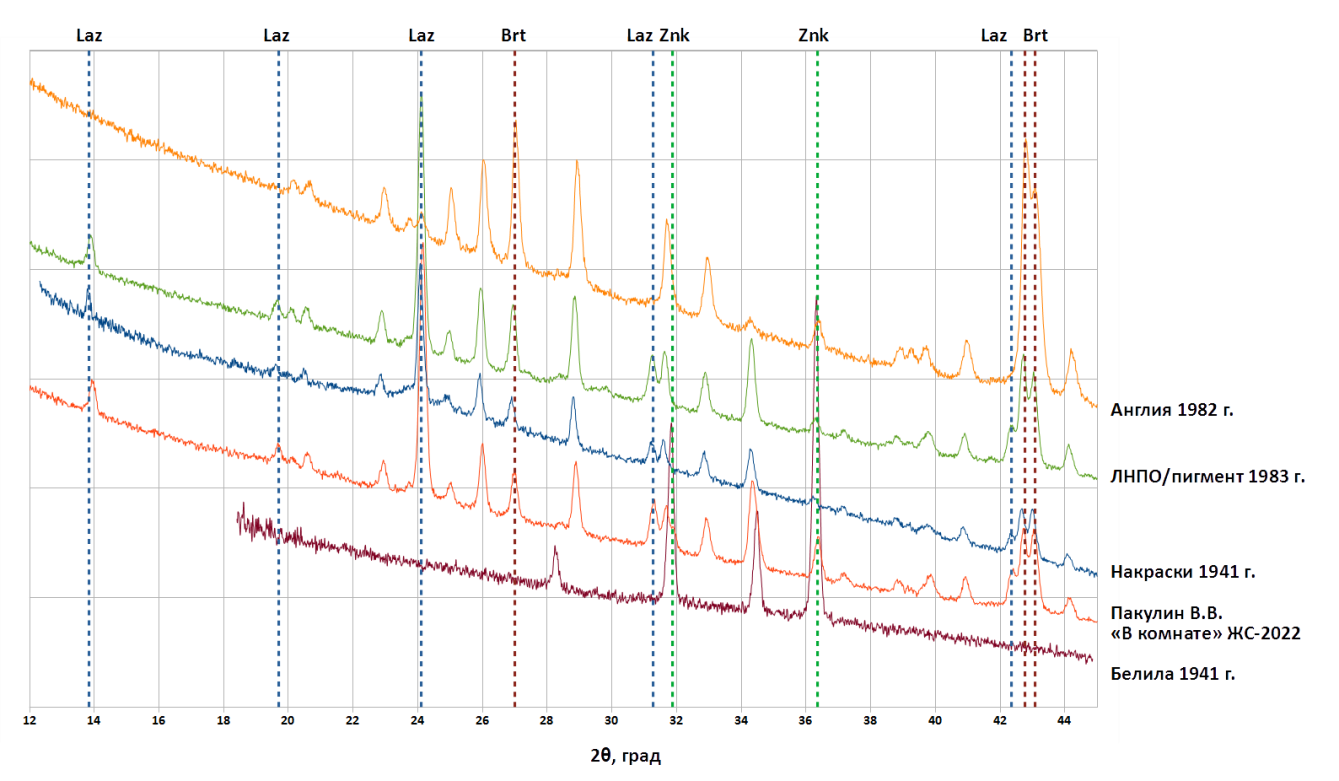
Examples of diffractograms of ultramarine of different years and zinc whitewash of 1941
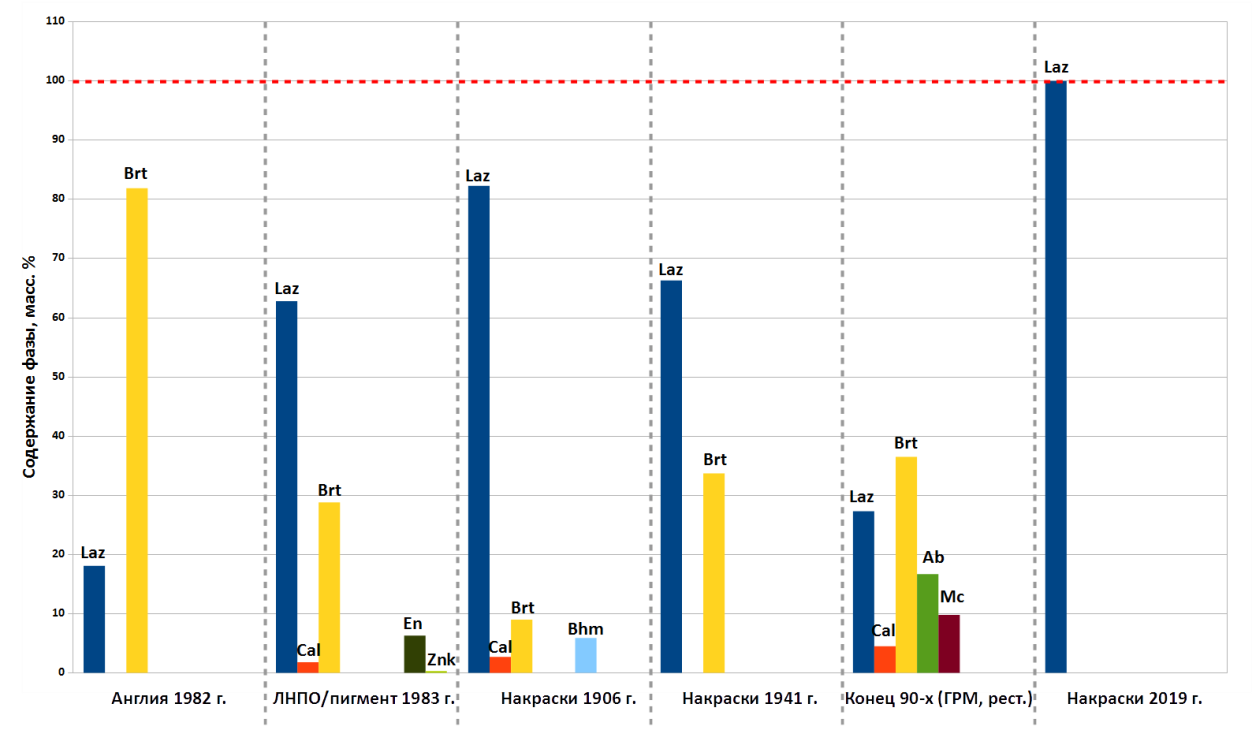
Examples of comparison of mineral composition of different ultramarines (Laz - lazurite, Brt - barite, Znk - zinkite, Ab - albite, Cal - calcite, En - enstatite, Bhm - bemite, Mk - microcline)
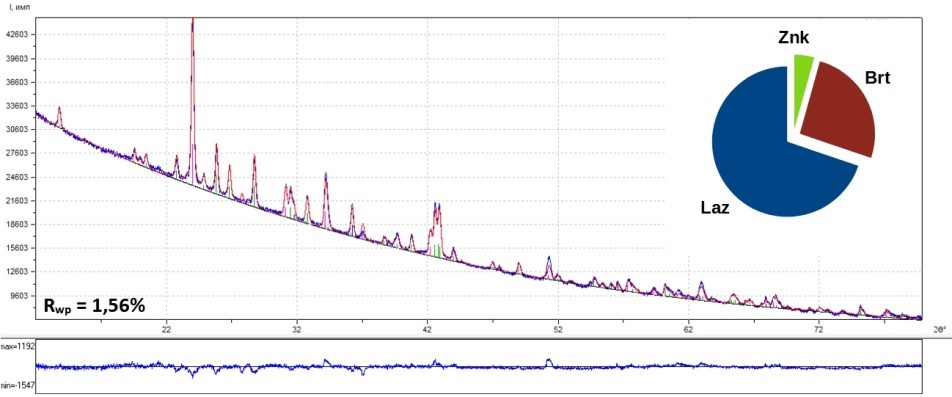
Quantitative analysis of mineral composition of ultramarine from the painting by Pakulin V.V. “In a Room” (late 30s of the twentieth century) by the Rietveld method.
The mineral composition of the paint corresponds to the mineral composition of ultramarine with a small amount of zinc whitewash taken from the 1941 painting
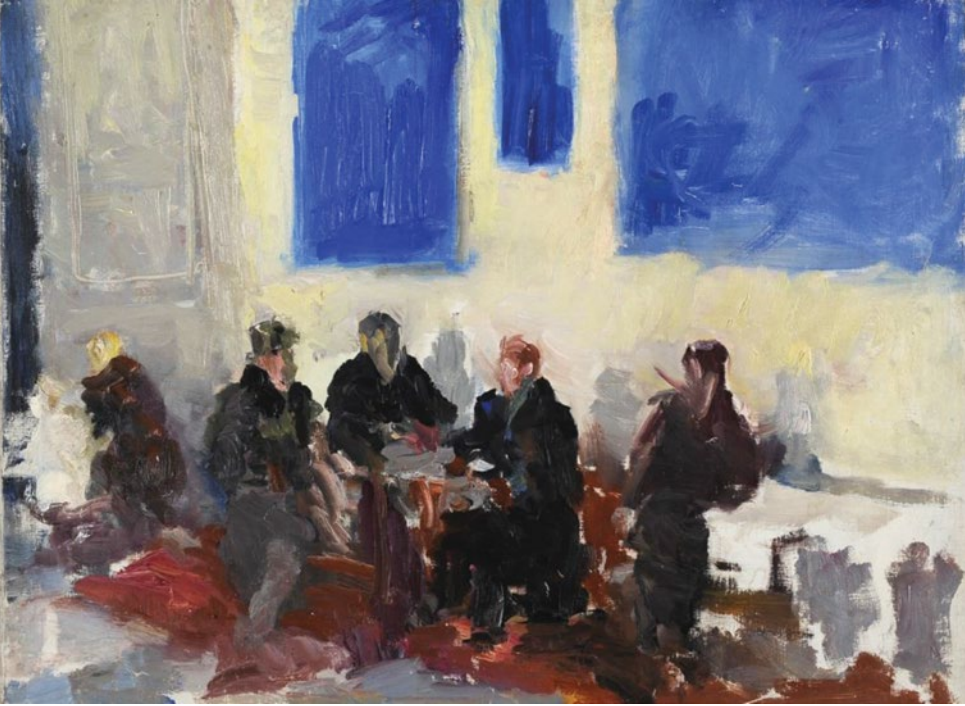
Pakulin V.V. “In a Room” (from the collection of the State Russian Museum)
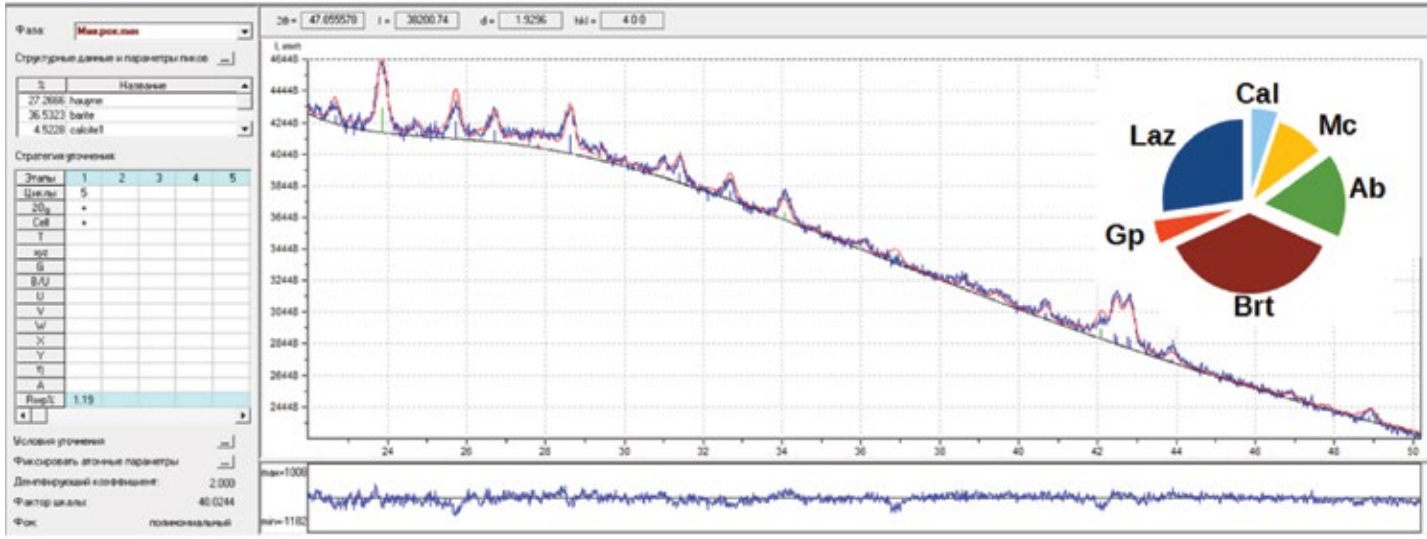
Quantitative analysis of the mineral composition of ultramarine 90s by the Rietveld method
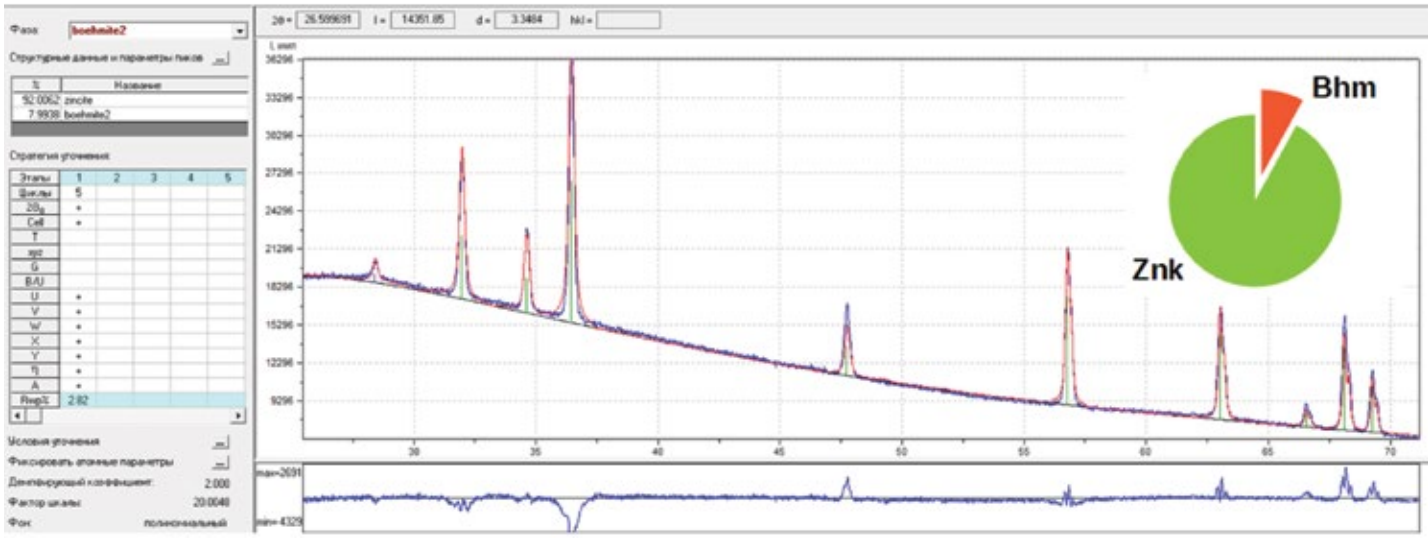
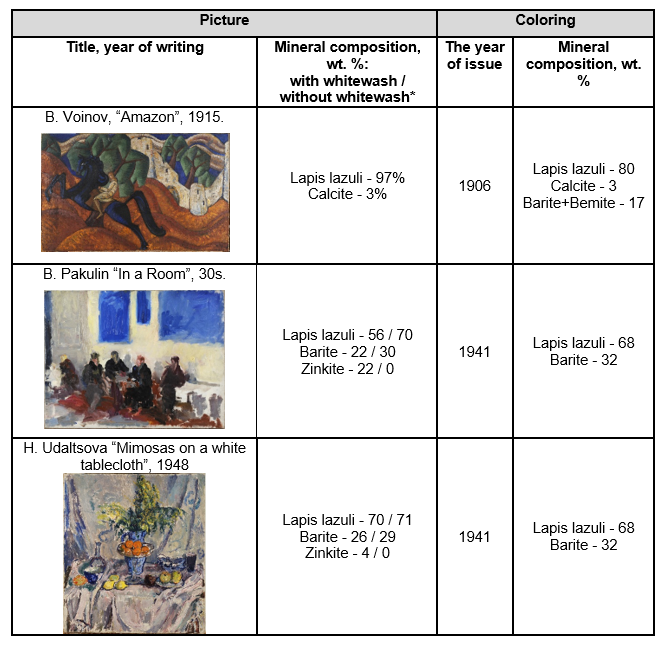
Comparison of the mineral composition of paint from paintings and paint of similar age
Conclusion
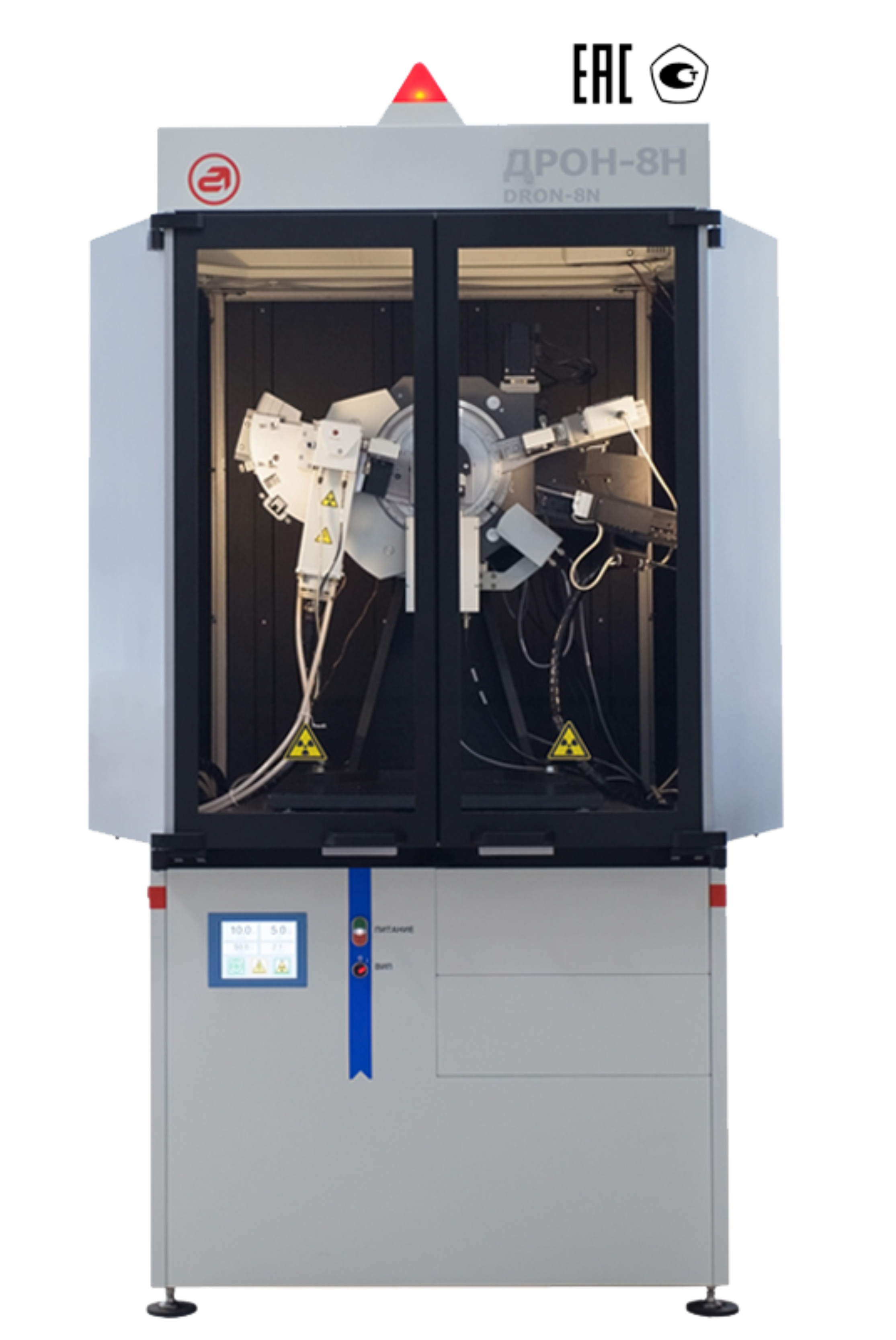
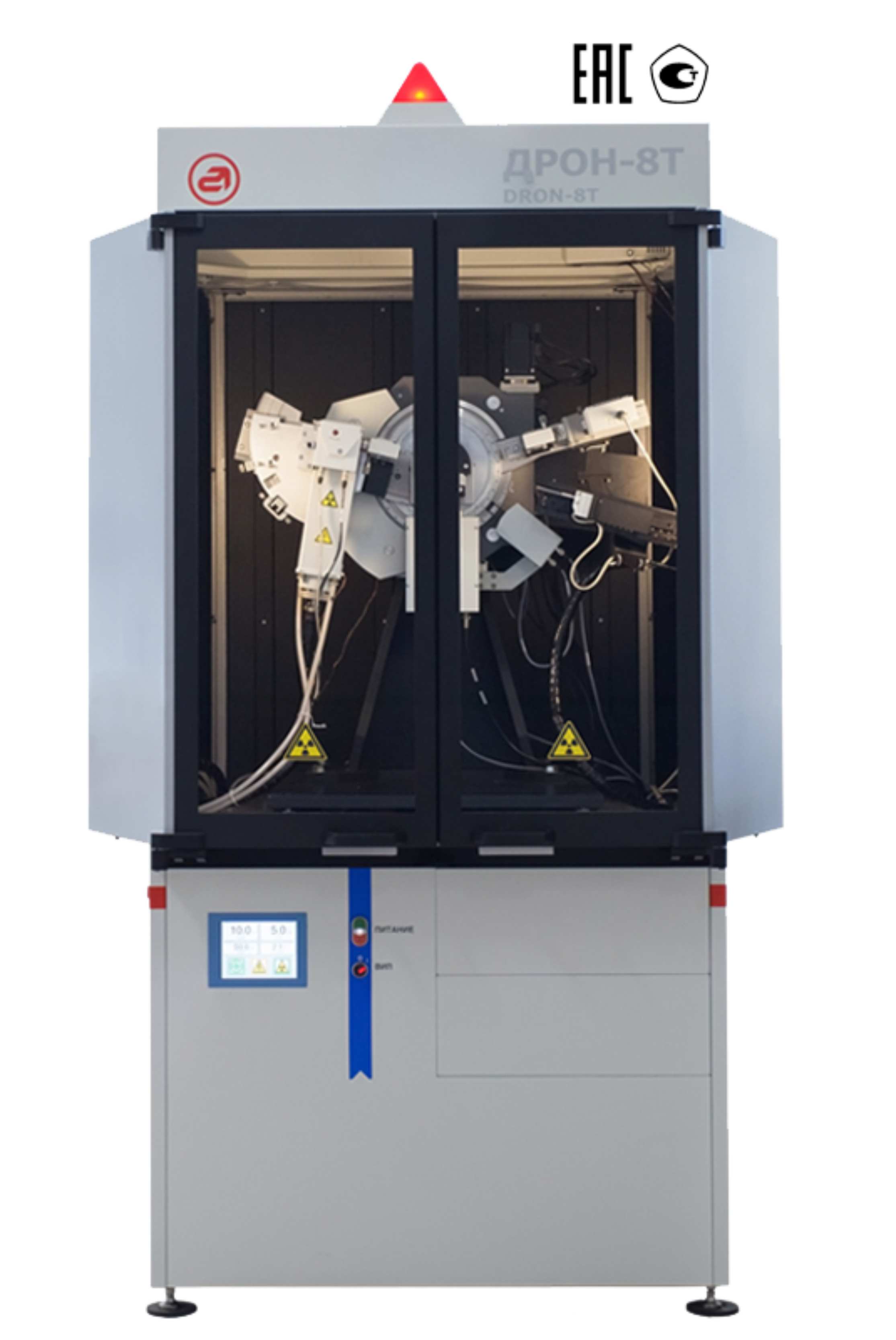
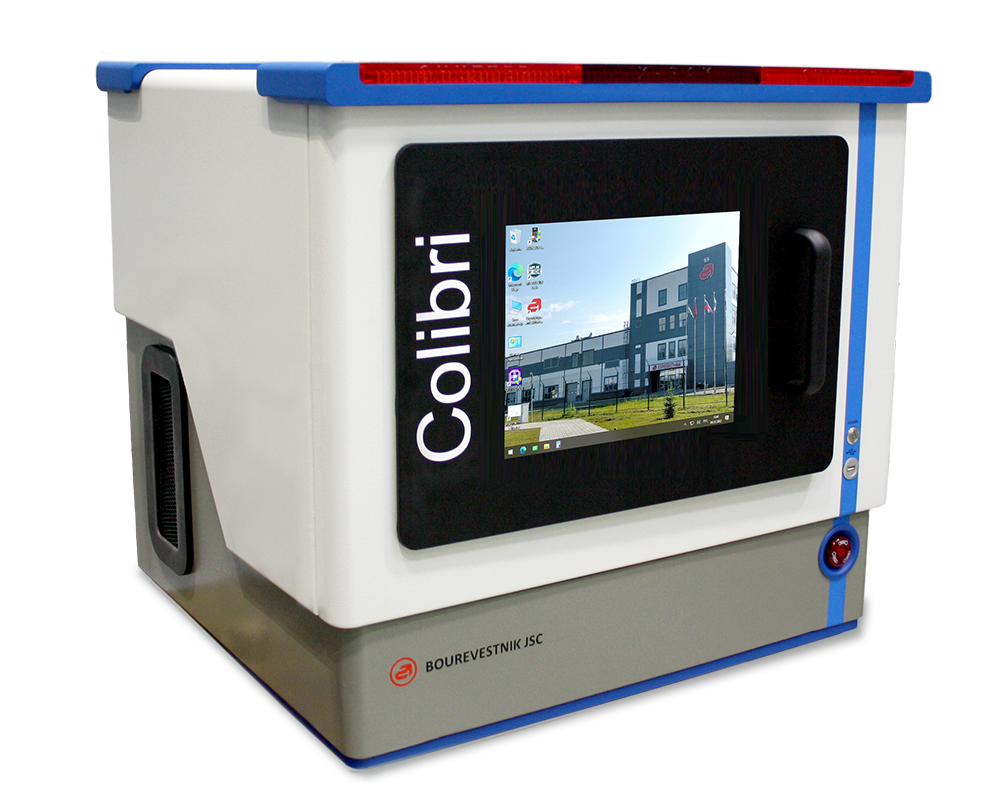
Multifunctional diffractometers manufactured by IC Burevestnik JSC have been indispensable assistants of cultural workers for many years. For research, determination of authenticity of historical and cultural heritage objects and for the development of restoration technology it is advisable to apply X-ray diffraction analysis methods on the most modern technological equipment.