Analysis of the chemical and mineral composition of rocks and ores
X-ray diffraction analysis
In geological exploration, as well as in the extraction and processing of minerals, qualitative and quantitative analysis of the mineralogical composition of rocks is widely used.
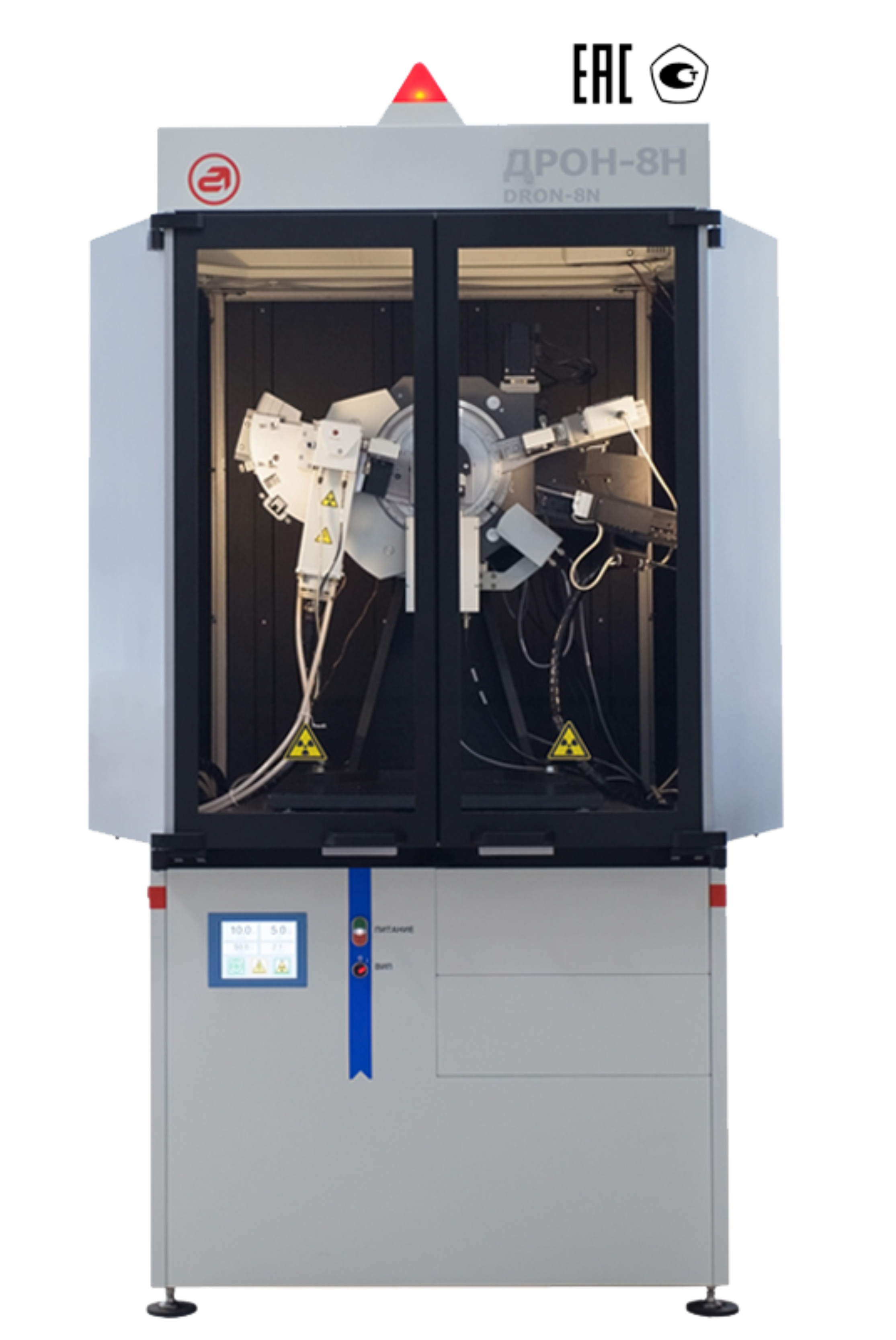
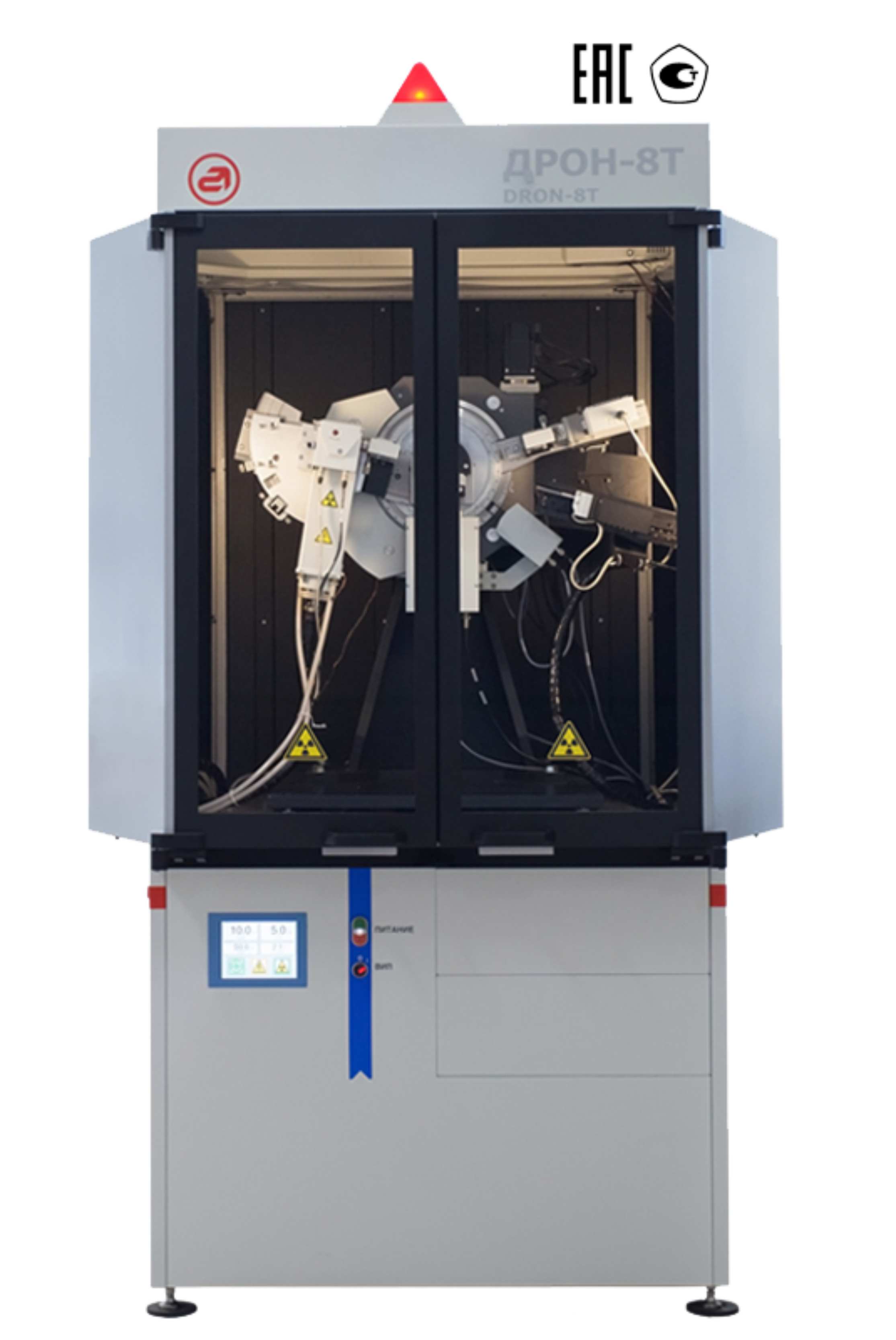
A unique method for studying mining industry objects is X-ray diffraction analysis, which allows obtaining information about the mineral component of the actual material by scattering X-rays on the crystal lattice.
In addition to determining the mineral composition, X-ray diffraction analysis allows obtaining important information about the content of the amorphous phase in the sample, the metrics of the crystal lattice of the substance and its changes during isomorphism and polymorphism, studying solid solutions and identifying the structural heterogeneity of crystalline materials, and, if additional equipment is available, directly observing and analyzing phase and other transformations that can occur in a crystalline material under the influence of high/low temperatures, pressure, atmospheric composition (vacuum, inert gases, humidity) and mechanical impact. These studies are important both for understanding the conditions of rock formation and for technological control in the processing of minerals.
Analysis of the chemical and mineral composition of rocks and ores
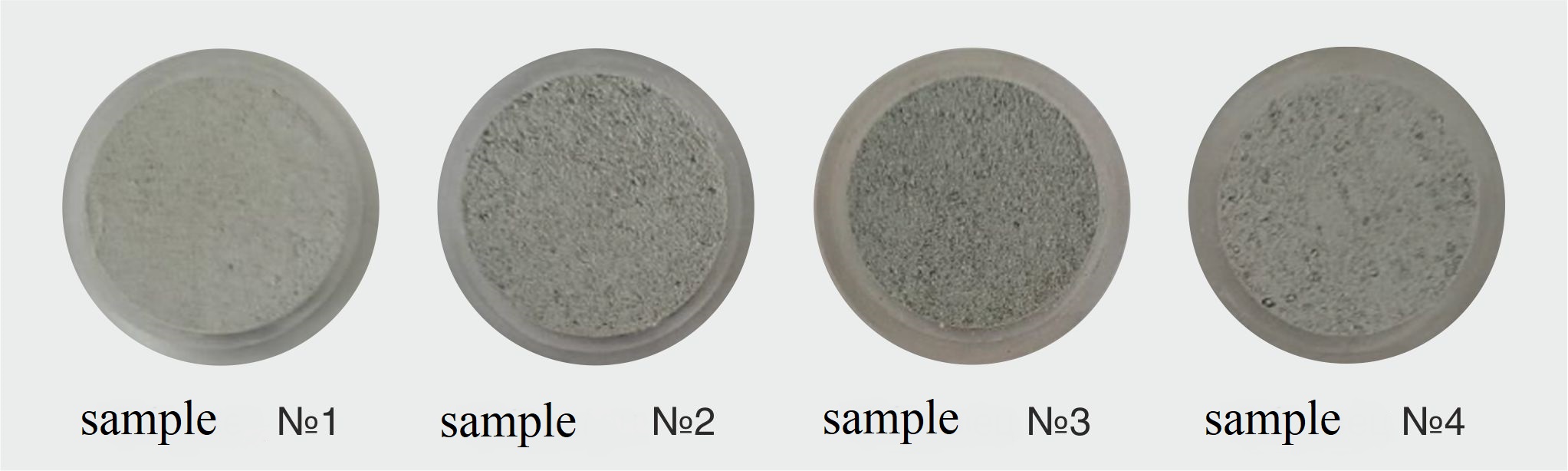
Powder samples in quartz cuvettes prepared for measurement
A full range of measurements includes the following stages:
SAMPLE PREPARATION – MEASUREMENTS – PROCESSING AND ANALYSIS – PROTOCOL
At the preliminary stage of research, samples are prepared, which includes the process of grinding the source material (if necessary, separation by fractions is carried out), pressing into a cuvette and leveling the surface.
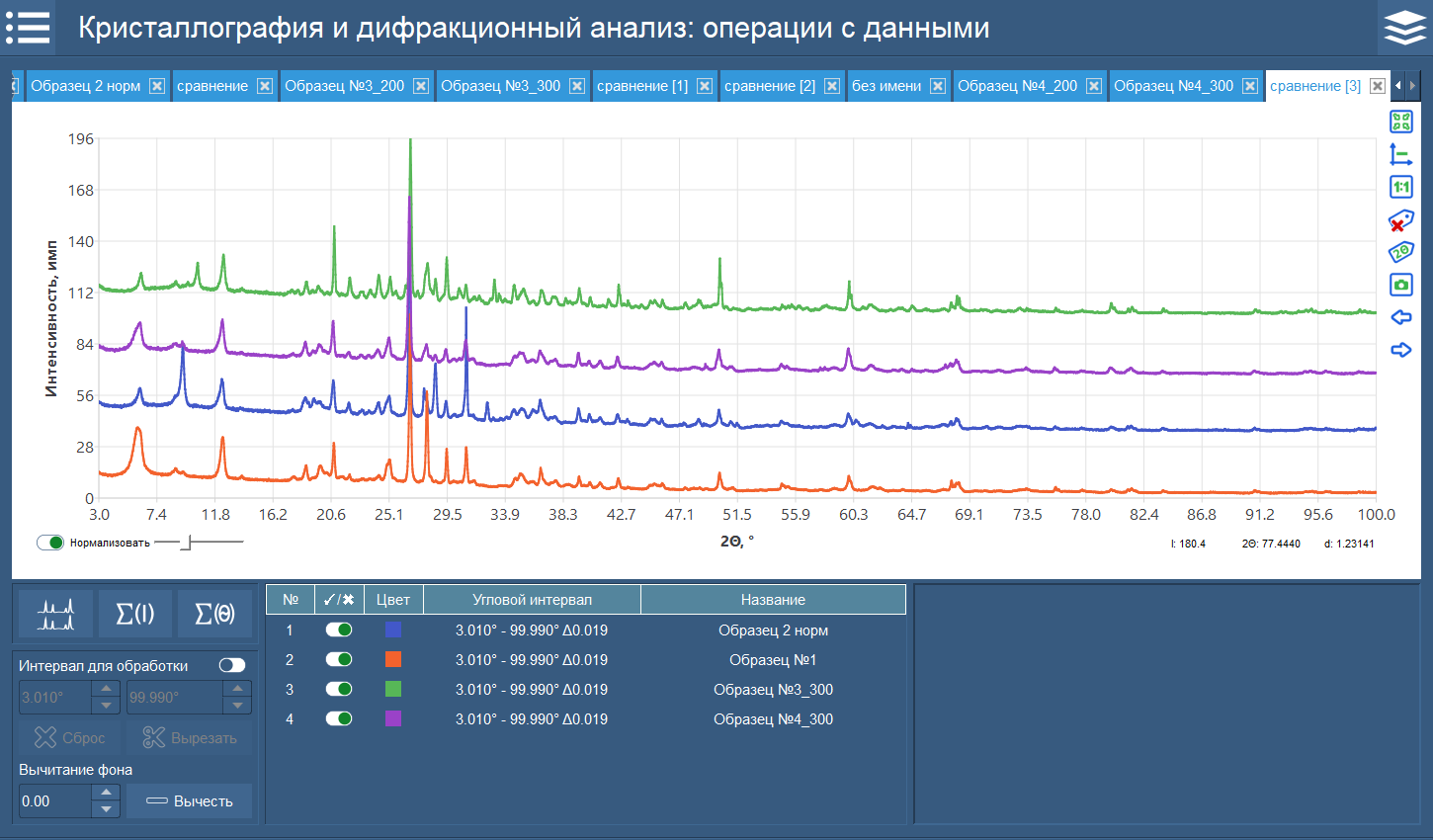
Measured X-ray diffraction patterns of samples 1-4 in the range of 2θ angles from 3 to 100 degrees
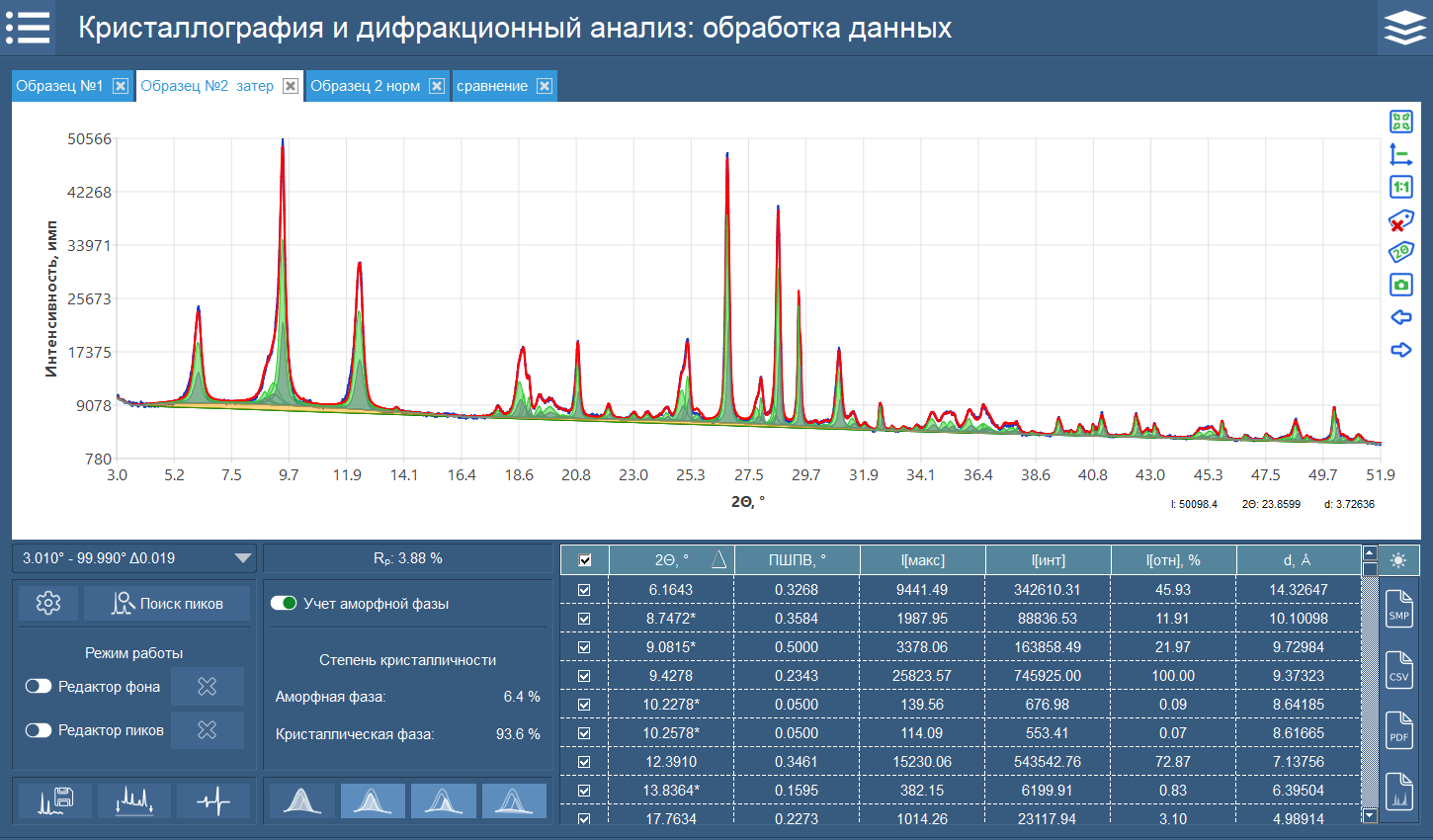
An example of processing the X-ray diffraction pattern of sample No. 2 with calculation of the content of the amorphous phase
An example of preliminary processing of a typical diffractogram of a polymineral sample is given. The data obtained during preliminary processing are used for qualitative and semi-quantitative phase analysis of the samples by the corundum number method (RIR) on the powder database, which are presented in the figure below. The purpose of this analysis is to identify all minerals (major, additional and microimpurities) present in the analyzed sample.
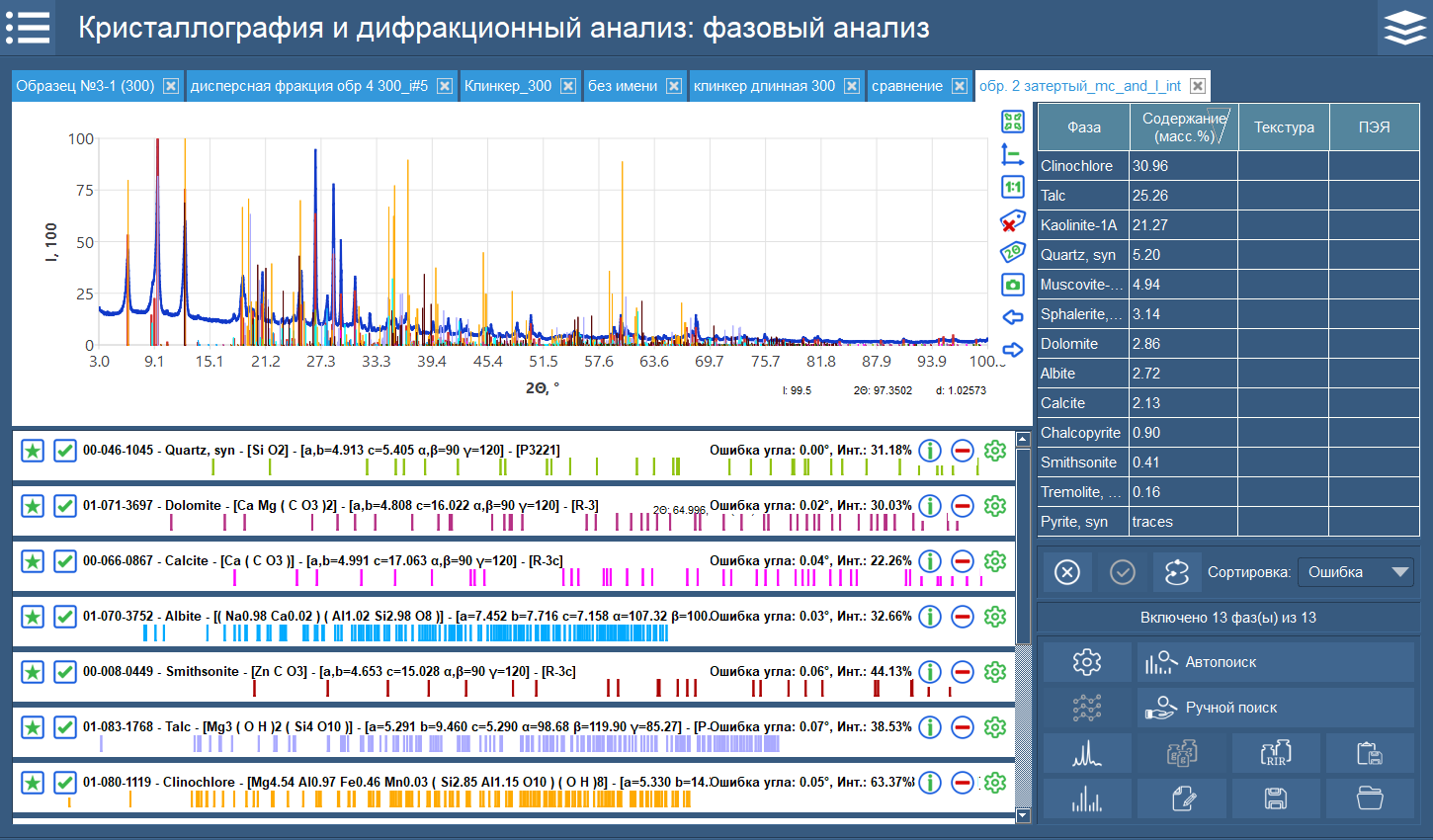
Qualitative and semi-quantitative phase analysis of sample No. 2 using the RIR method (corundum number method)
The method is based on the use of the intensity or number of pulses at each point of the diffraction pattern as an independent measurement instead of the integral intensity of the reflex. To describe the diffraction line profile, analytical functions are introduced, characterized by several additional parameters, which are specified together with the structural parameters. Accordingly, instead of a relatively small number of integral intensities of diffraction lines, the number of which, as a rule, does not allow specifying the structural parameters of all atoms by the least squares method, a large number of independent measurements are used in the powder diffraction pattern. This makes it possible to extract the maximum information contained in the powder X-ray diffraction experiment data and to specify both the structural parameters and the line and background profile parameters. Thus, the Rietveld method allows one to estimate the phase content in a multicomponent mixture with an accuracy of up to 0.1 wt %.
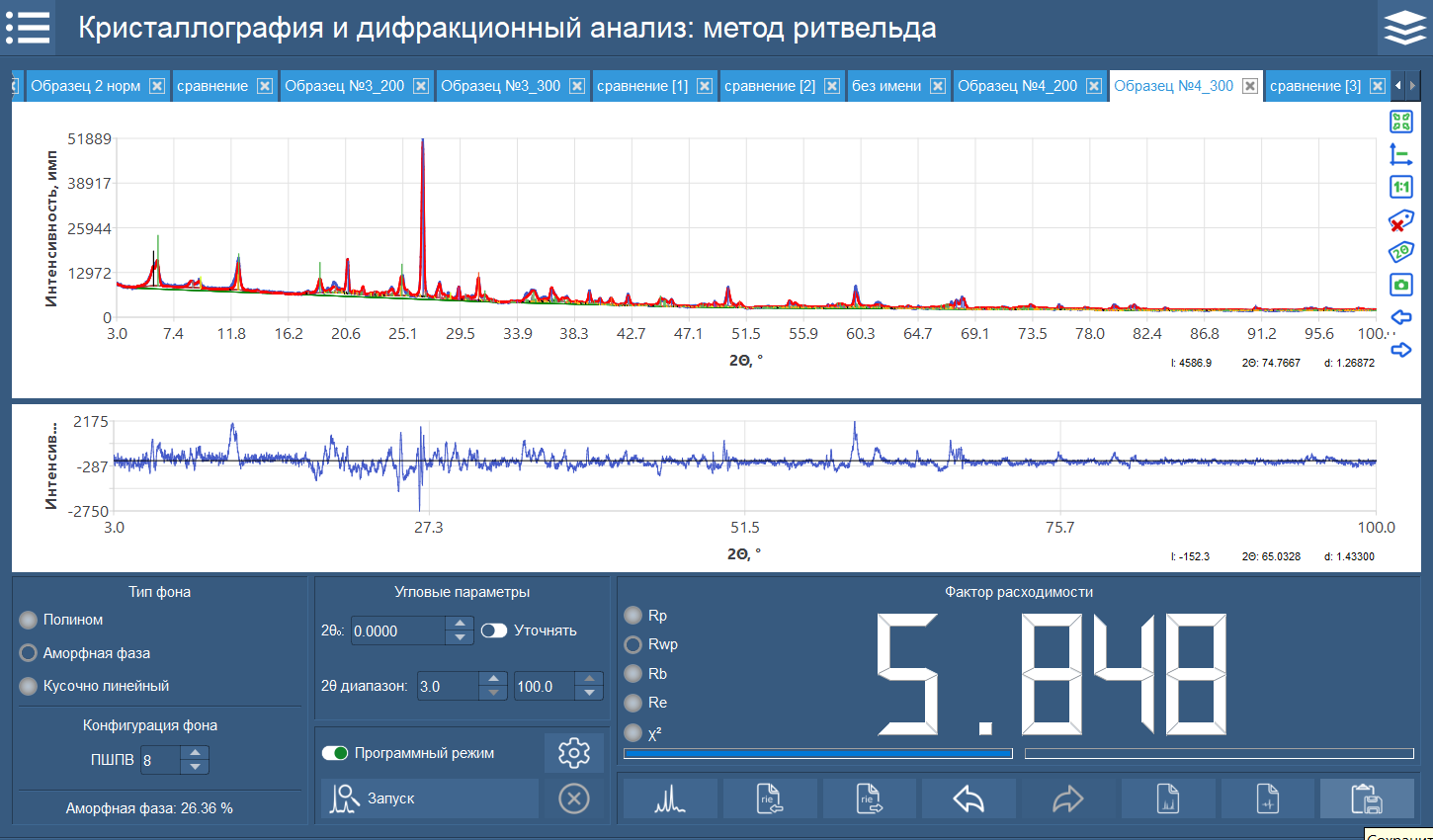
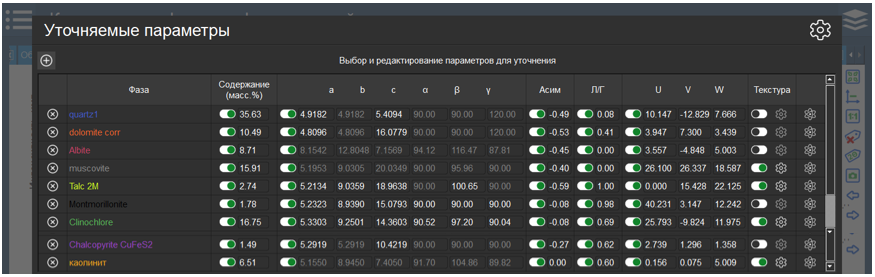
Quantitative phase analysis of sample No. 4 using the full-profile Rietveld method
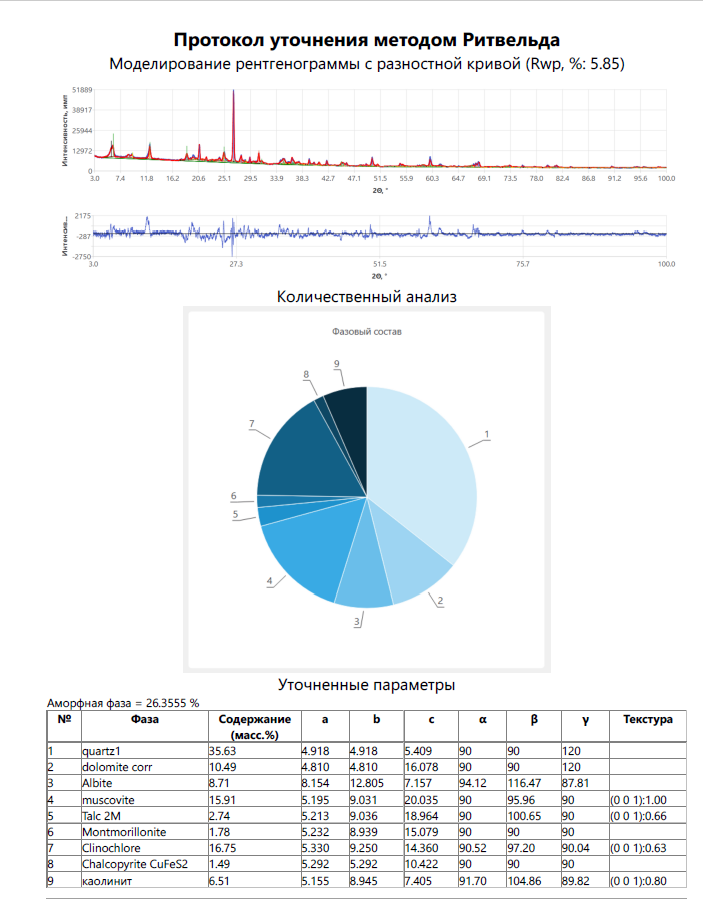
Quantitative analysis protocol by the Rietveld method for sample No. 4
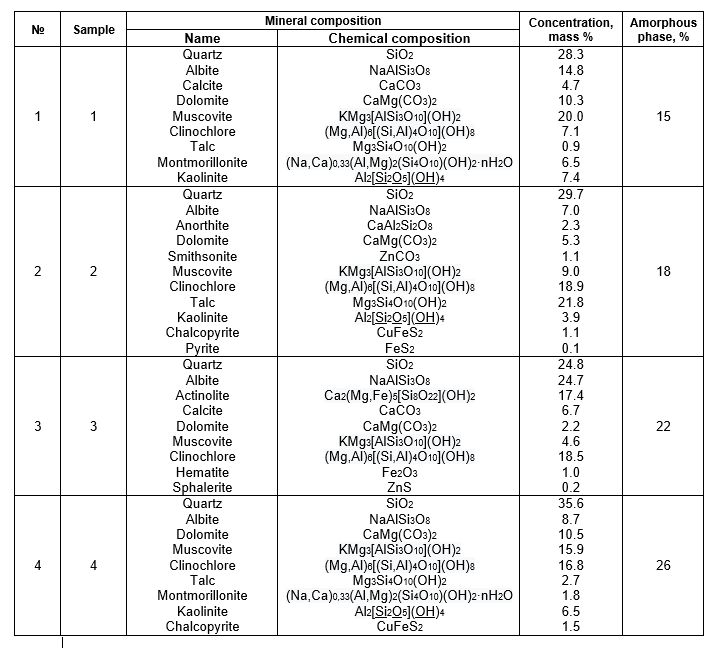
Summary table of research results
Conclusion
The X-ray diffraction method is one of the most informative for the mineralogical analysis of mined rocks and products of their processing and enrichment in the mining and enrichment industries.
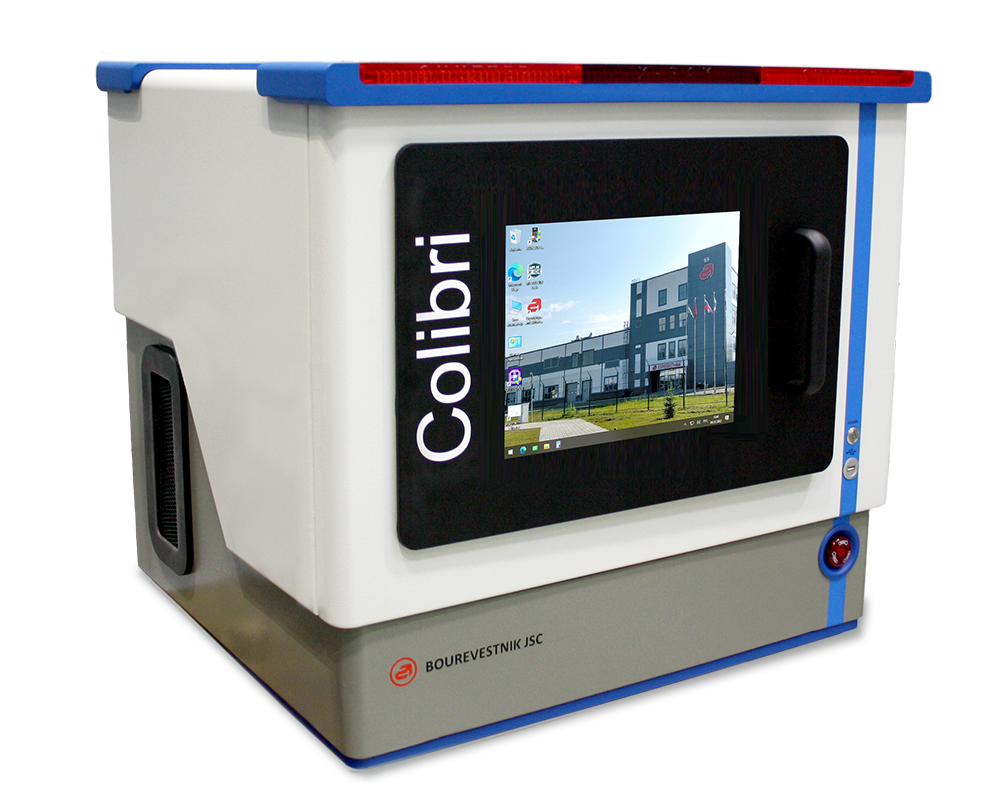
The examples considered clearly demonstrate the functional and methodological capabilities of diffractometers manufactured by JSC "IC "Burevestnik", which, in combination with analytical software, offer a reliable solution to production and research problems.