Enrichment of lead ores
Lead is a strategically important metal with wide applications in energy, defense, and medicine. Although it is widely distributed in the Earth's crust, lead is usually found in compounds. Despite its toxicity and gradual replacement by alternatives, lead's unique properties make it indispensable in some industrial sectors.
Lead is widely used in a variety of industries, including battery manufacturing, construction, electronics, chemicals, transportation, and defense. Its properties such as density, resistance to corrosion and ability to protect against radiation make it a valuable material. However, lead is toxic and can accumulate in the body, causing serious health problems.
Current Challenges
-
Mineralogical aspects
In terms of mineralogy, lead is often associated with zinc, copper, silver and arsenic, which complicates selective recovery, and the presence of sulphide minerals (e.g. pyrite) requires fine tuning of flotation. The average lead content of ores is 1-5%, which requires processing large volumes of rock, and the need for fine grinding (down to 50-100 µm) to release galena (PbS) increases energy costs
-
Technological aspects
Limitations of the flotation process are manifested in the reduction of its efficiency in the processing of fine ores; lead losses in tailings due to incomplete recovery (up to 15-20%)
-
Economic aspects
The economic viability of mining is complicated by price volatility, significant capital costs and competition from secondary lead. Environmental risks are associated with lead toxicity, environmental contamination and the formation of acid mine water
-
Environmental aspects
Lead and its compounds pose a significant environmental risk as they have toxic properties and contribute to soil, water and atmospheric pollution. The oxidation process of sulfides can lead to the formation of Acid Mine Drainage (AMD), which exacerbates negative environmental impacts. Tailings ponds containing lead and arsenic residues pose an ongoing threat to ecosystems in the event of a spill or accident
-
Infrastructural and socio-political aspects
Remoteness of deposits increases transportation costs; local communities protest against projects due to fears of negative environmental impact; tightening and legislative restrictions on the use of certain substances, such as lead, in various types of products
Enrichment
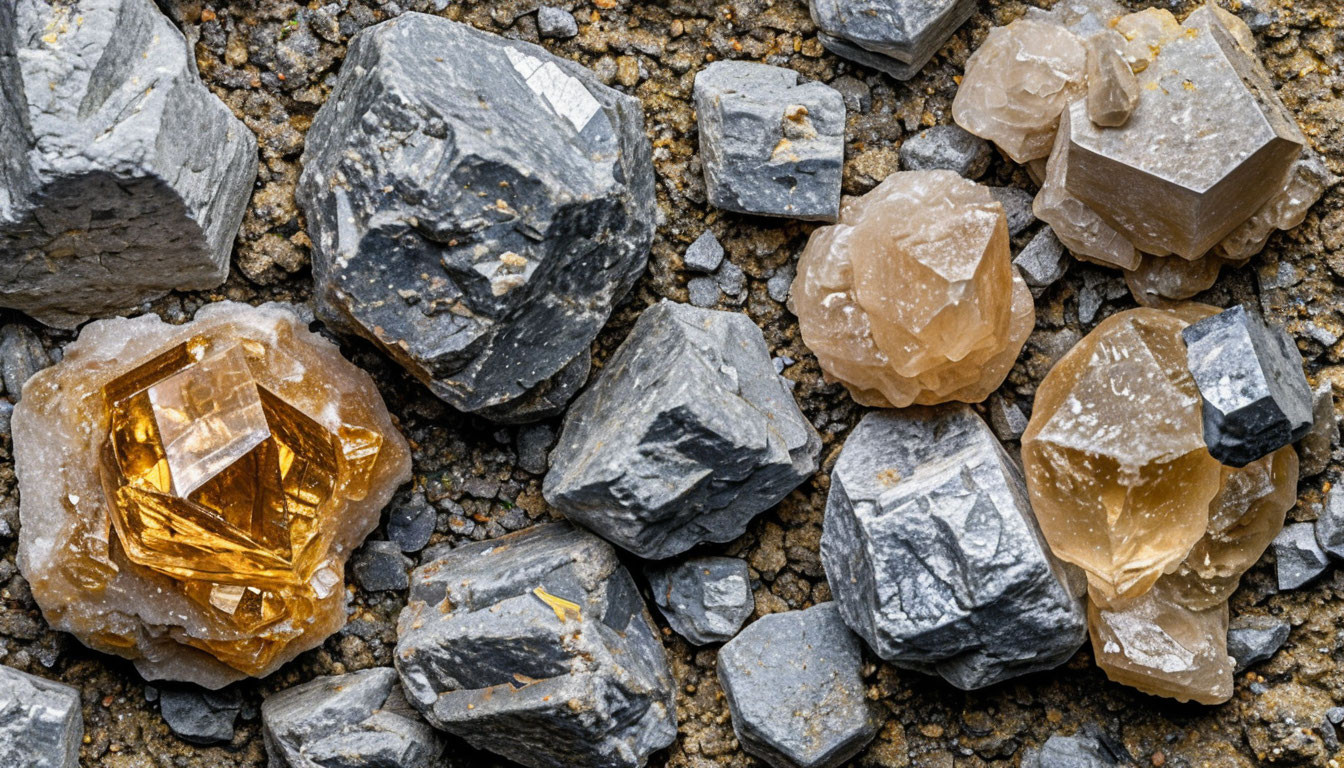
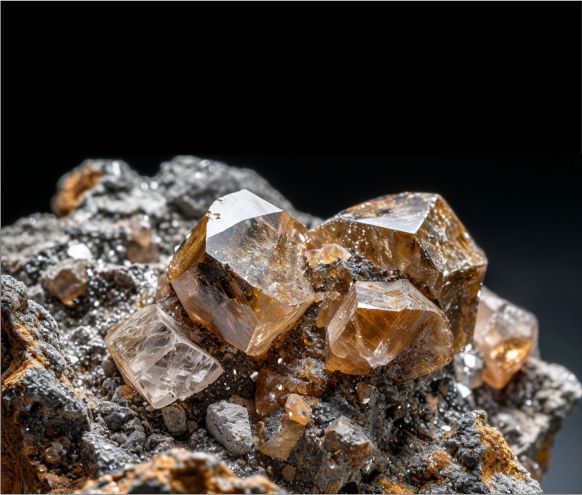
The process of lead ore beneficiation is a complex multi-stage scheme, the efficiency of which depends on the integrated approach, the technologies used, the type of ore and due to their complex composition and low concentrations. Deposits of lead ores are characterized by the presence of industrial minerals galena (PbS), cerussite (PbCO₃), anglesite (PbSO₄), this factor has a significant impact on the choice of ore beneficiation method and the optimal scheme is determined individually for each deposit.
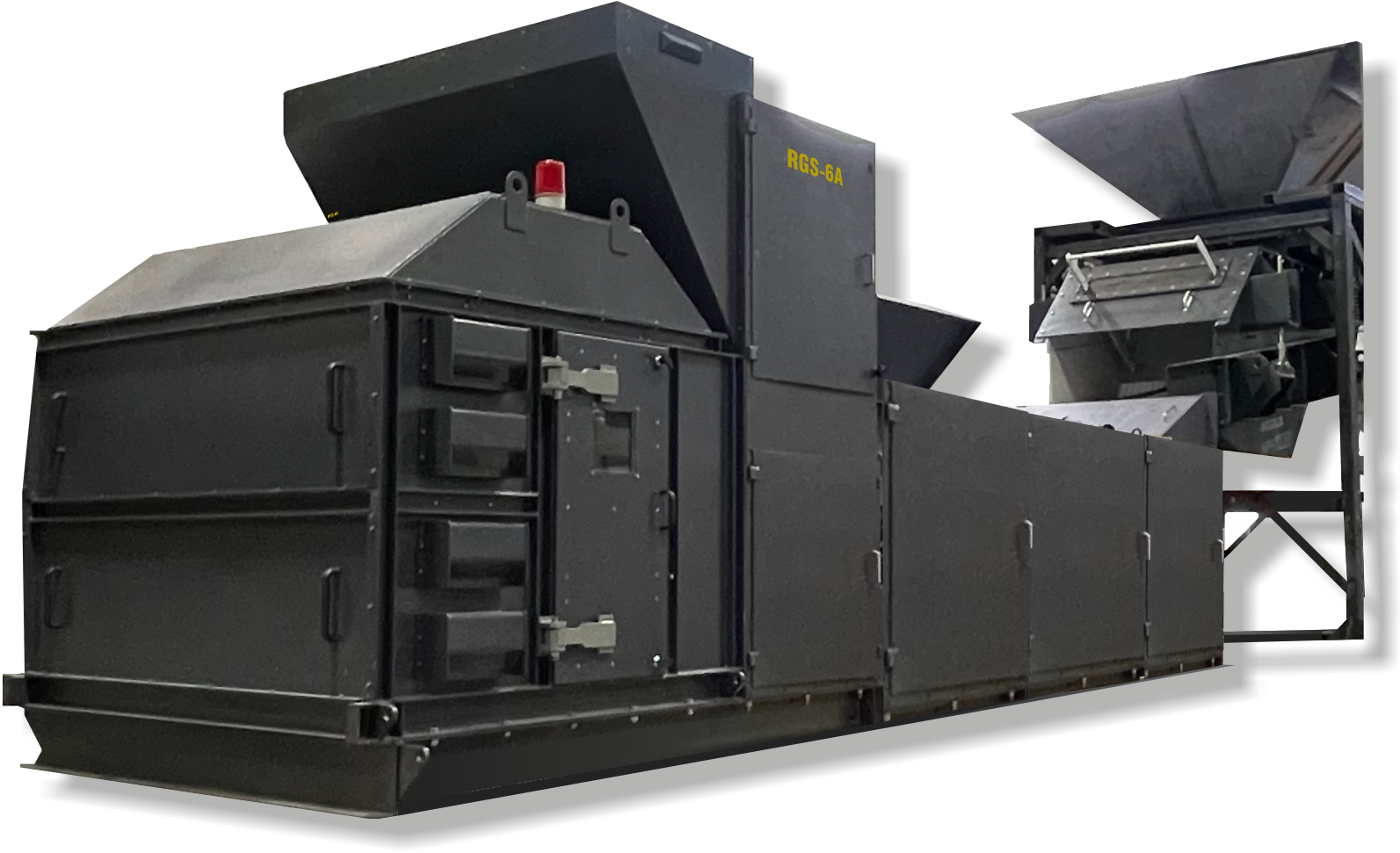
Development and implementation of innovative technologies of lead ore beneficiation, such as X-ray absorption (XRT) separation, is a promising method for the pre-enrichment stage of the complex scheme, especially when dealing with large particles and removal of waste rock.
Application of XRT technologies will allow mining companies to optimize recovery processes, reduce operating costs, minimize negative environmental impact and increase competitiveness, while an integrated approach, including the use of advanced beneficiation technologies, detailed analysis of geological data of deposits and optimization of technological processes, will create a more sustainable and efficient beneficiation system.
Principle of X-ray absorption -XRT- mineral separation:
-
The principle of X-ray absorption separation of mineral raw materials is based on the analysis of differential absorption of X-ray radiation by various minerals contained in the ore. This method provides identification of valuable mineral components and quantitative assessment of their content in the sample. The efficiency of X-ray absorption (XRT) separation of lead ores is due to the fact that minerals with a higher effective atomic number (Zeff) or X-ray density (ρx) show an increased ability to absorb X-rays. The atomic density and composition of each mineral affect X-ray attenuation. For example, PGMs and their minerals such as sperrylite, nugget platinum have high atomic density, which allows them to be detected against a background of less dense rocks (quartz, silicates) and allows for automated ore sorting. XRT is effective for the preliminary removal of waste rock, reducing the volume of material for subsequent stages.
X-ray absorption separation analyzes the intensity of X-rays passed through the ore samples using an X-ray detector that converts the X-rays into electrical signals. The obtained information is processed by specialized software of the automated control system (ACS).
As a result of data processing, the system identifies as useful pieces of ore or mineral inclusions in the sample and determines their percentage of the total area. Comparing the resulting values to a predetermined separation threshold allows the ACS to classify the sample as “concentrate” or “tailings product”.
After classification, the sample is directed to the appropriate compartment (concentrate or tailings) by means of a pneumatic separator.
The technology of preliminary X-ray absorption-XRT-enrichment of lead ores is the most effective:
-
Density/composition contrast
The high density contrast between galena (7.4-7.6 g/cm³) and host rocks consisting of lighter minerals (quartz, calcite), as well as the formation of large crystals of secondary lead minerals (anglesite, cerussite) with excellent density, facilitates their detection.
-
Granule size
For the treatment of ores with coarse-grained galena precipitates that can be easily separated from waste rock, as well as ores with massive sulphide deposits or for the preliminary removal of poor areas. In oxidized ores containing anglesite and cerussite, X-ray absorption (XRT) technology can also be used due to the formation of large crystals of these minerals.
Advantages of X-ray absorption (XRT) separation of lead ores:
-
High efficiency and cost-effectiveness
Reducing the volume of ore processed by 30-50%, reducing the load on downstream processing.
-
Environmental friendliness
Minimizes the volume of material processed in subsequent processing/recycling stages, which reduces waste and allows for better control and management of emissions and discharges.
-
Productivity
Improved feed material characteristics lead to a higher quality and purer finished concentrate and allows more efficient methods to be applied, e.g. pretreatment/processing can prepare the ore for more selective and efficient methods.
Conclusion
XRT technology is a promising method of lead ore beneficiation characterized by high efficiency and environmental safety. It significantly reduces the volume of material processed and the consumption of water and chemicals. Due to its advantages, XRT technology has great potential for wide application in the modern mining industry.