Enrichment of polymetallic Sn-Cu ores
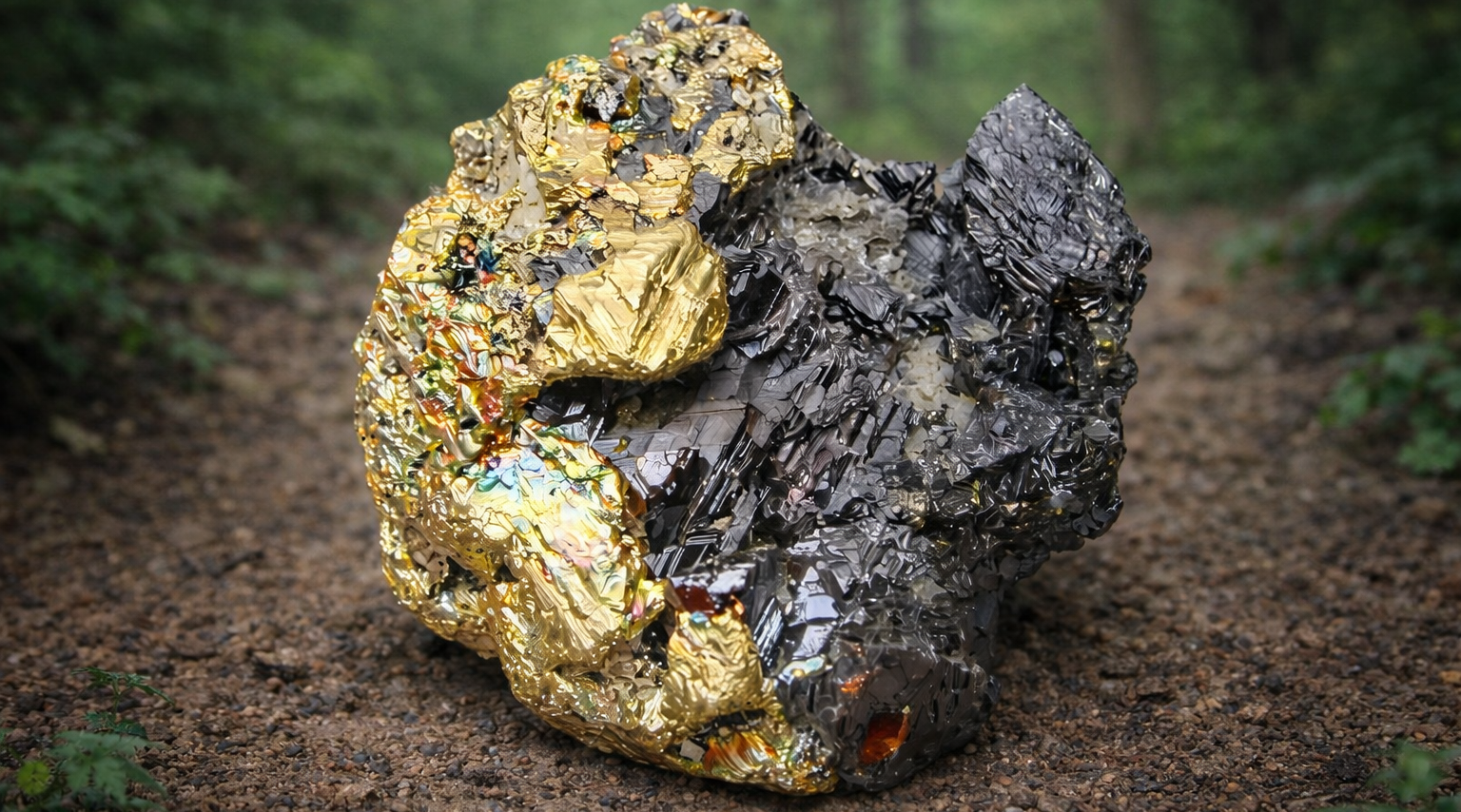
Polymetallic tin-copper ores provide highly sought-after non-ferrous metals that are seeing ever-increasing global demand. Both tin and copper are essential for producing various alloys, such as bronze and tinplate, and play a critical role in modern electrical engineering and renewable energy.
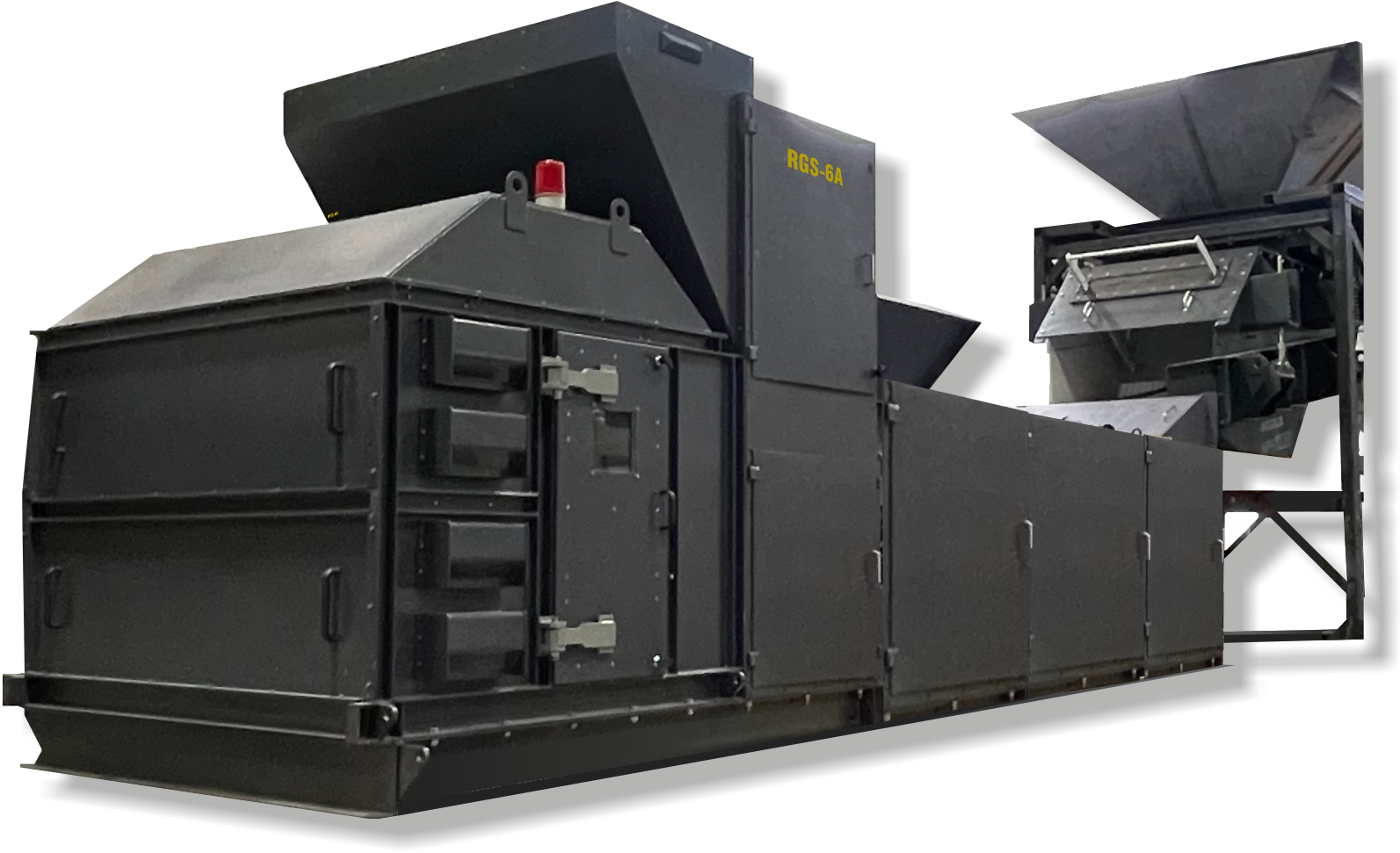
Mining companies are increasingly focused on scaling up production and improving ore processing efficiency, which requires the adoption of new technological solutions. X-ray transmission (XRT) sorting is one such solution that could address these challenges.
Current Challenges
Enrichment
- Processing polymetallic Sn-Cu ores is a complex task where the flowsheet must be tailored to the specific mineral composition and target recovery rates. No single standardized solution exists; instead, a combination of X-ray transmission (XRT) sorting, gravity separation, and flotation is typically employed.
- In the first stage, XRT sorting removes barren rock and pre-concentrates the ore by 40–60% by isolating the dense fractions of cassiterite and copper sulfides. Subsequently, the pre-concentrated material undergoes further grinding followed by flotation with selective collectors—targeting copper first, then tin, or both simultaneously—achieving recovery rates exceeding 85% for both Sn and Cu.
- Integrating XRT sorting with hydrocyclone and gravity separation, alongside the optimization of flotation regimes, significantly reduces the volume of material to be processed. This approach lowers energy consumption and environmental impact while enhancing the production efficiency of tin and copper concentrates.
X-ray Transmission (XRT) Pre-concentration Technology for Tin-Copper Ores
Operating Principle
The method is based on measuring the attenuation of X-ray radiation as it passes through ore particles. Minerals with high atomic mass and density (such as cassiterite, wolframite, and chalcopyrite) are characterized by higher X-ray absorption compared to rock-forming minerals.Operating Conditions
Ore Structures and Textures
XRT sorting is well-suited for massive and solid ores, as well as disseminated and vein-type ores. The method achieves maximum efficiency when there are distinct boundaries between ore minerals and when mineral aggregates exceed 3 mm in size.Ore Contrast
The higher the ore contrast index, the more effective the XRT pre-concentration. Good results can be expected starting from medium-contrast ores.Grade of Valuable Components
XRT pre-concentration is applicable to ores with varying grades of valuable components; the key factor is not the quantity, but the specific distribution of the component within the rock fragment.X-ray Transmission (XRT) Sorting of Tin-Copper Ores: Processing Algorithm Capabilities
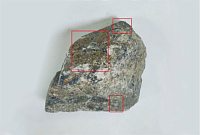
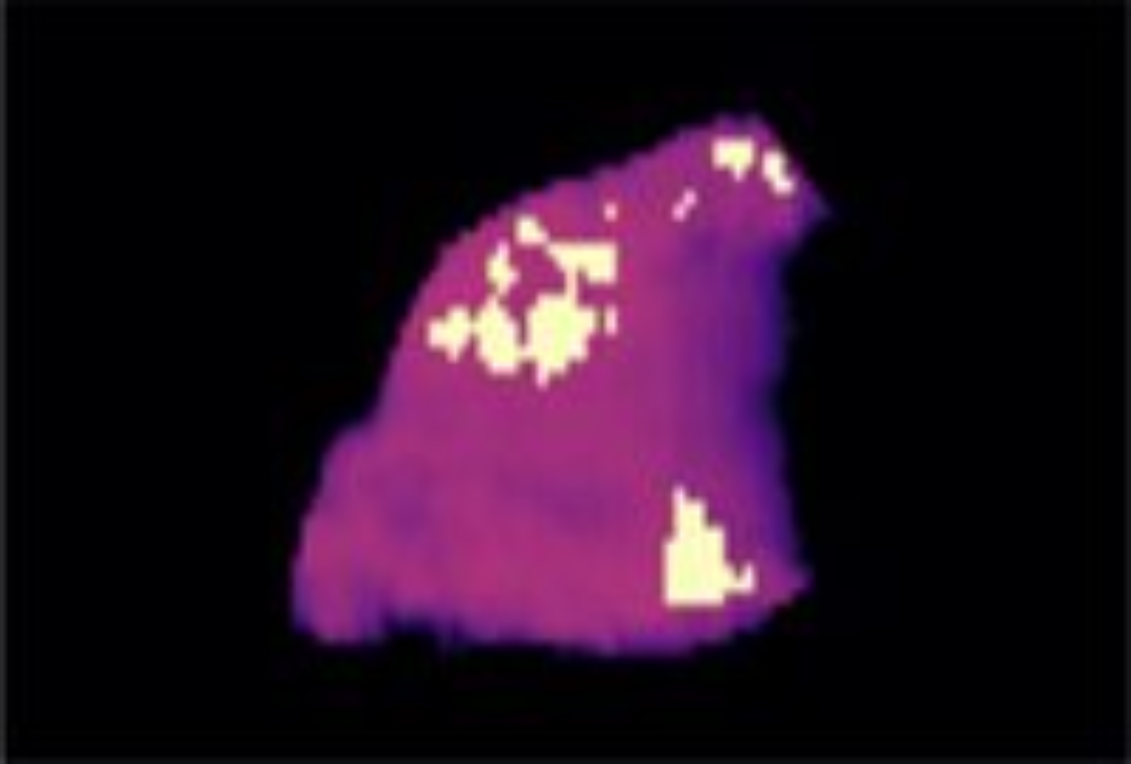
Example of an XRT image of a tin-copper ore sample (-60+20 mm); on the radiograph, light areas represent potential product zones consisting of cassiterite (35.9% area within the fragment).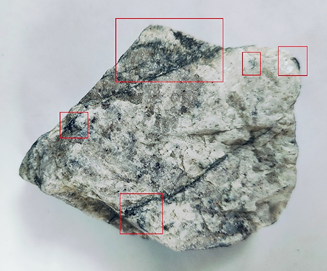
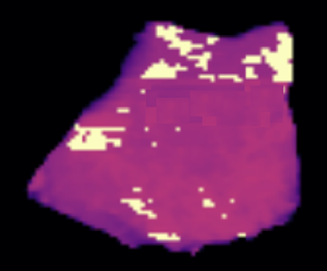
Example of an XRT image of a tin-copper ore sample (-60+20 mm); on the radiograph, light areas represent potential product zones consisting of chalcopyrite (29.4% area within the fragment).
Advantages of X-ray Transmission (XRT) Sorting for Tin-Copper Ores
- No special material preparation required.
- Allows identification of fragments with hidden inclusions of valuable components.
- Operates across a wide range of particle sizes (-100+6 mm).
- Significantly reduces the amount of barren rock in the original ore.
- Lowers costs for further grinding and processing while reducing waste volume.
- Produces a higher quality and cleaner concentrate at the output.
Conclusion
- X-ray transmission (XRT) sorting is an effective method for the pre-concentration of tin-copper ores.
- The application of XRT technology allows for a 60% reduction in the initial material volume, while maintaining residual tin and copper content in the tailings at approximately 0.1%.
- Consequently, integrating XRT sorting into the processing flowsheet enhances process efficiency, lowers processing costs, and reduces the environmental impact on the mining region, while ensuring the required product quality.