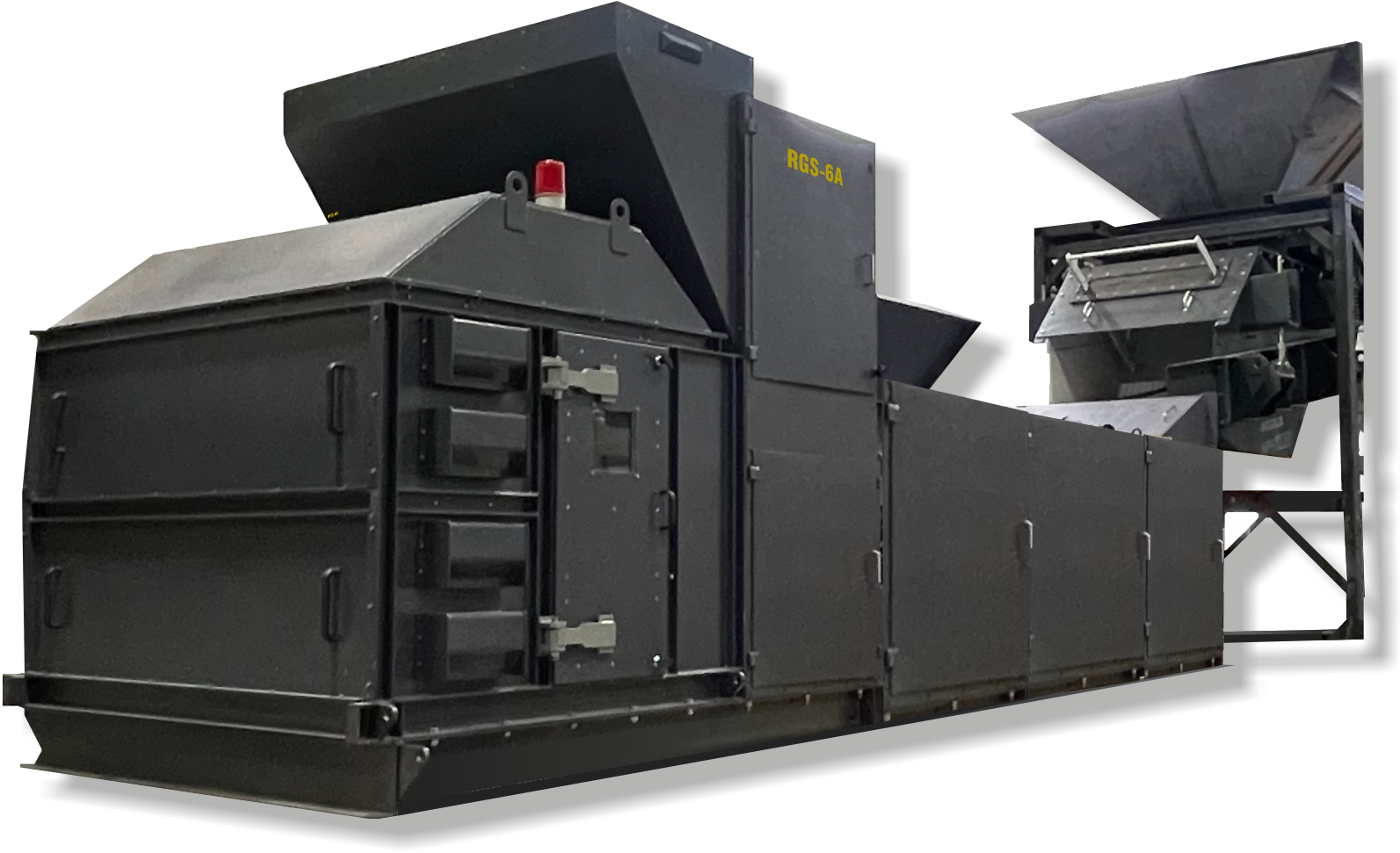
Enrichment of platinum ores
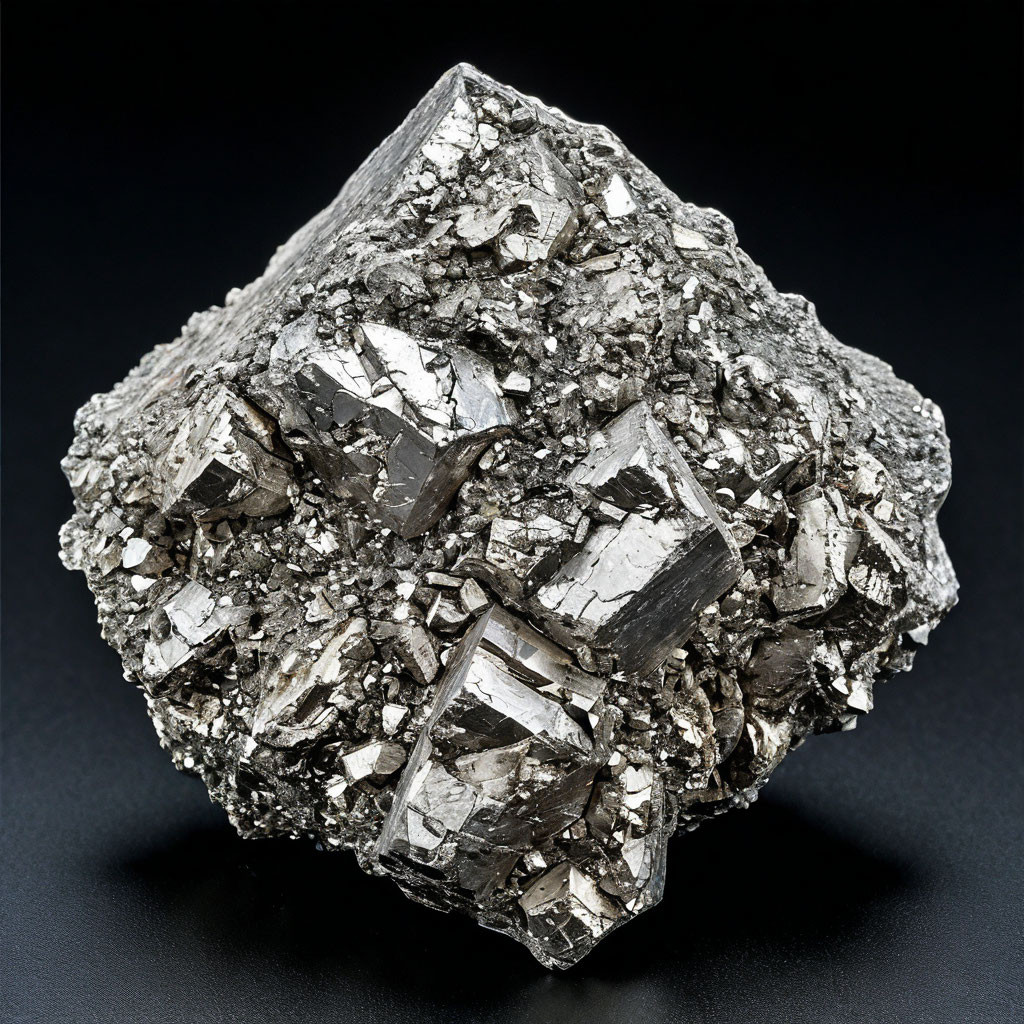
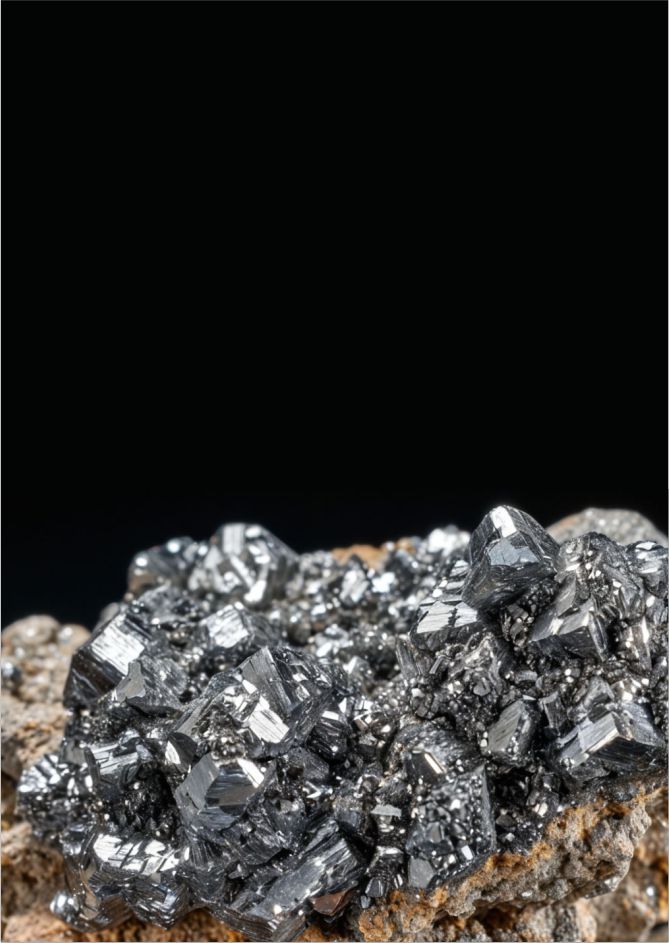
The platinum group metals (PGMs) include six elements: platinum (Pt), palladium (Pd), rhodium (Rh), ruthenium (Ru), iridium (Ir), and osmium (Os). PGMs are among the least abundant elements in the Earth's crust and are of strategic importance and critical for high-tech industries and green energy. PGMs have high economic value - high cost, for example, rhodium is 10-15 times more expensive than gold. PGMs have unique physical and chemical properties, which makes them indispensable in modern technologies.
Platinum group metals (PGMs) have exceptional properties, making them a strategically important resource with steady demand, regardless of progress in alternative materials. Their applications span a wide range of industries including medical, automotive, aerospace, electronics, chemical, energy and jewelry. PGMs are becoming particularly important in green technologies such as hydrogen fuel cells. A few examples of unique applications of PGMs: osmium is used in surgical implants and fountain pens, while iridium is used in the kilogram standard and radioisotope energy sources. It is important to emphasize that up to 30% of PGMs are mined from secondary sources, which demonstrates the importance of recycling these valuable metals.
Current Challenges
-
Mineralogical aspects
From the point of view of mineralogy, platinoid ores represent a complex object for industrial processing. Firstly, PGMs are associated with sulfides (pentlandite, chalcopyrite), chromite or are present in the form of fine inclusions; companion minerals (e.g. copper, nickel) complicate selective extraction. Secondly, the average PGM content in ores is 1-10 g/t, which requires processing thousands of tons of rock to obtain 1 kg of metals, which is a highly energy-intensive process; thirdly, PGMs are found in various minerals (sperrylite (PtAs₂) - platinum arsenide; cooperite (PdS) - palladium sulfide; Braggite (Pd,Pt)₃S₄ - palladium and platinum sulfide, laurite (RuS₂) - ruthenium sulfide, nugget platinum - alloys of Pt with Fe, Ir, Os, osmium iridium - natural alloys of Ir and Os), each of which has specific properties and requires an individual approach to enrichment.
-
Technological aspects
Limitations and low efficiency of existing methods for ores with ultrafine PGM inclusions, which reduces profitability.
-
Economic aspects
High cost of equipment and processing; instability of PGM prices on the world market. In addition, construction of new and modernization of existing technologies for PGM enrichment require significant capital investments.
-
Environmental aspects
Generation of a significant amount of waste - tailings (content of toxic heavy metals), sludge, slag; use of toxic reagents (cyanides, acids) during leaching; generation of SO₂ and CO₂ emissions during pyrometallurgical processing.
-
Infrastructural and geopolitical aspects
Remoteness of fields increases transportation costs; sanctions, political instability and logistical difficulties disrupt supply chains.
Enrichment
The process of beneficiation of platinoid ores is a complex multi-stage procedure, the efficiency of which depends on a comprehensive approach, the technologies used, the type of ore and due to their complex composition and low concentrations. Platinoid deposits are characterized by the presence of platinum group metals (PGMs) including platinum (Pt), palladium (Pd), rhodium (Rh), ruthenium (Ru), iridium (Ir) and osmium (Os). It is important to emphasize that PGMs are often found in association with copper and nickel sulfides such as pentlandite and chalcopyrite. This factor has a significant impact on the choice of ore beneficiation method and the optimal scheme is determined individually for each deposit.
The development and introduction of innovative technologies of platinum ore beneficiation, such as X-ray absorption (XRT) separation, is a promising method for the pre-enrichment stage of the complex scheme, especially when dealing with large particles and removal of waste rock.
Application of XRT technologies will allow mining companies to optimize recovery processes, reduce operating costs, minimize negative environmental impact and increase competitiveness, while an integrated approach, including the use of advanced beneficiation technologies, detailed analysis of geological data of deposits and optimization of technological processes, will create a more sustainable and efficient beneficiation system.
Principle of X-ray absorption -XRT- mineral separation:
-
The principle of X-ray absorption separation of mineral raw materials is based on the analysis of differential absorption of X-ray radiation by various minerals contained in the ore. This method provides identification of valuable mineral components and quantitative assessment of their content in the sample. The efficiency of X-ray absorption (XRT) separation of platinoid ores is due to the fact that minerals with a higher effective atomic number (Zeff) or X-ray density (ρx) demonstrate an increased ability to absorb X-rays. The atomic density and composition of each mineral affect X-ray attenuation. For example, PGMs and their minerals such as sperrylite, nugget platinum have high atomic density, which allows them to be detected against a background of less dense rocks (quartz, silicates) and allows for automated ore sorting. XRT is effective for the preliminary removal of waste rock, reducing the volume of material for subsequent stages.
X-ray absorption separation analyzes the intensity of X-rays passed through the ore samples using an X-ray detector that converts the X-rays into electrical signals. The obtained information is processed by specialized software of the automated control system (ACS).
As a result of data processing, the system identifies as useful pieces of ore or mineral inclusions in the sample and determines their percentage of the total area. Comparing the resulting values to a predetermined separation threshold allows the ACS to classify the sample as “concentrate” or “tailings product”. After classification, the sample is directed to the appropriate compartment (concentrate or tailings) by means of a pneumatic separator.
The technology of preliminary X-ray absorption-XRT-enrichment of platinoid ores is the most effective:
-
Density/composition contrast
The key advantage in placer deposits (alluvial deposits) of particles of nugget platinum, osmium iridium or other PGM alloys (> 1-2 mm in size) is their high retgenodensity on the background of light waste rock (quartz, clay), in chromite ores - PGMs are associated with chromite, dunites and harzburgites contain large grains of sperrilite (PtAs₂) or breggite (Pd,Pt)₃S₄ that allows to remove poor chromite or ultrabasic rocks.
-
Granule size
Large nuggets and coarse-grained platinoid minerals (size> 1-2 mm) are found in deposits of different genesis - placer, bedrock or complex - which are the most suitable for the efficiency of X-ray absorption sorting (XRT) method.
Advantages of X-ray absorption (XRT) separation of platinoid ores:
-
High efficiency and cost-effectiveness
Firstly, the lack of water requirement makes this method ideal for arid regions, secondly, the preliminary removal of waste rock helps to reduce energy costs in subsequent processing, thirdly, it increases the PGM content of the ore concentrate by removing poor or ultramafic ore rocks.
-
Environmental friendliness
Minimizes the volume of material processed in subsequent processing/recycling stages, which reduces waste and allows for better control and management of emissions and discharges.
-
Productivity
Improved feed material characteristics lead to a higher quality and purer finished concentrate and allows more efficient methods to be applied, e.g. pretreatment/processing can prepare the ore for more selective and efficient methods.
Conclusion
X-ray absorption separation technology (XRT) is a reliable and environmentally friendly method of enrichment of platinoid ores, which is most effectively used in the processing of ores with high contrast. Application of this technology allows to significantly reduce the volume of processed material, as well as minimize the consumption of water and chemical reagents. Given its promising potential, XRT technology has the potential to take a leading position among modern methods of processing various ores.