Enrichment of tin ores
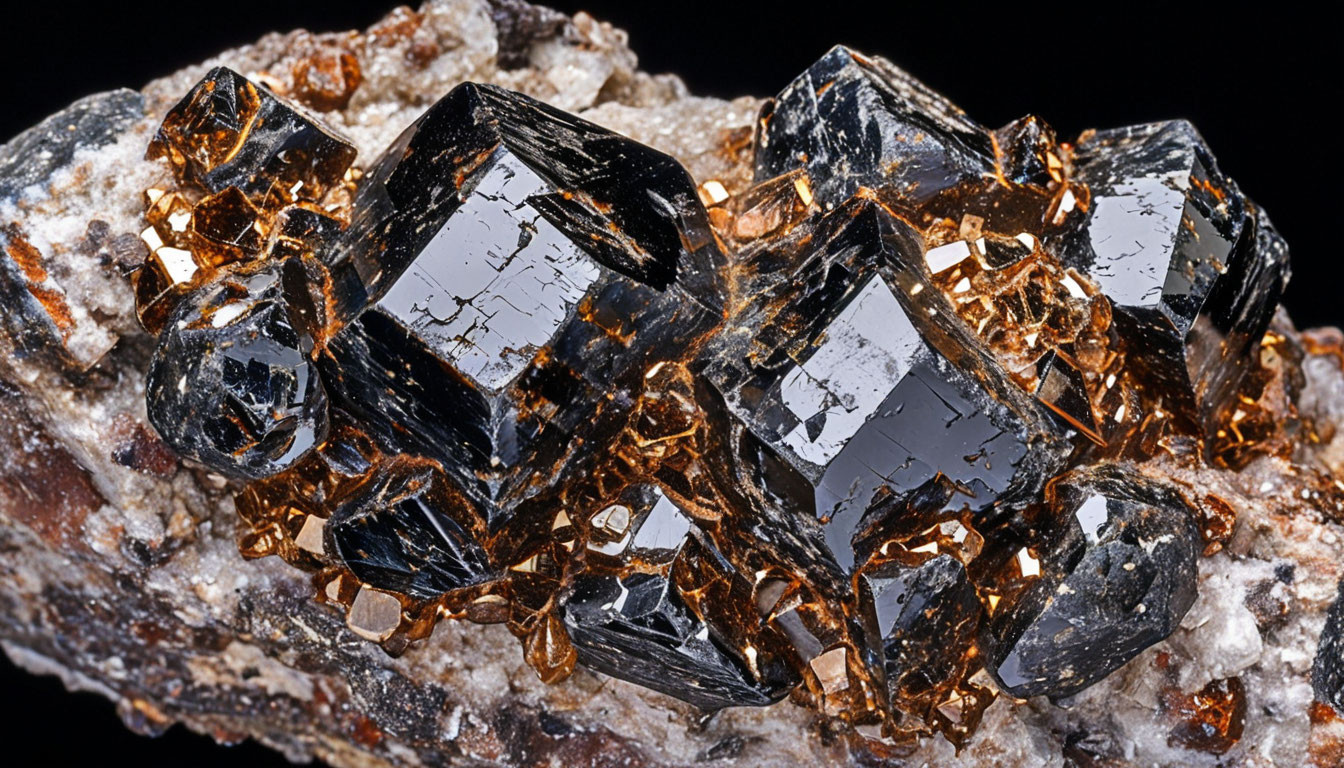
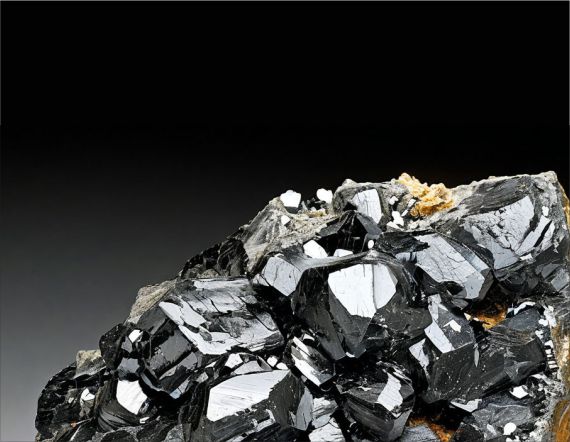
Tin is a valuable metal due to its unique properties such as high electrical conductivity and corrosion resistance. These characteristics make it widely used in various industries.
The main areas of application of tin are: electronics (soldering, coating of conductors), ceramic and glass industry (improvement of product properties), chemical industry (production of tin compounds), mechanical engineering (alloys for strong parts), food industry (coating of packages), construction (roofing and drainage systems). The use of tin in the form of foil (staniol) for capacitors, cookware and other products is also noted.
Current Challenges
-
Mineralogical aspects
From a mineralogical point of view, tin ores are a difficult object to industrial processing due to the low tin content, the presence of a variety of impurities and the presence of tin minerals with different physical and chemical properties.
-
Technological aspects
Efficient beneficiation of complex tin ores is a complex task requiring a comprehensive approach. Optimization of the process includes: combined application of different beneficiation methods, selection of reagents taking into account ore composition, target tin recovery percentage and environmental constraints, strict quality control at all stages of the process from ore intake to concentrate production to ensure stability and reproducibility, optimization of technological solutions to improve energy efficiency, especially when beneficiating poor ores.
-
Economic aspects
Extraction of tin from poor ores or at high processing costs may not be economically viable. The volatility of tin prices on the world market poses a significant risk as it may reduce the profitability of the project. The construction of new and modernization of existing tin processing plants requires significant capital investment.
-
Environmental aspects
The generation of significant quantities of waste (tailings can cause acidic effluents) containing tin and other elements require proper disposal and burial to prevent environmental contamination disposal and burial to prevent environmental contamination.
-
Logistical aspects
Difficulties in transportation of raw materials. Delivery of raw materials from remote deposits may involve significant logistical difficulties and high transportation costs.
Enrichment
The process of tin ore beneficiation is not a complex technological operation, the efficiency of which is determined by the characteristics of the feedstock and the specified degree of purity of the target product. Due to the variety of factors affecting the process, there is no universal enrichment method. In practice, various techniques are applied, often used in combination with each other. The choice of the optimal enrichment scheme is made on an individual basis.
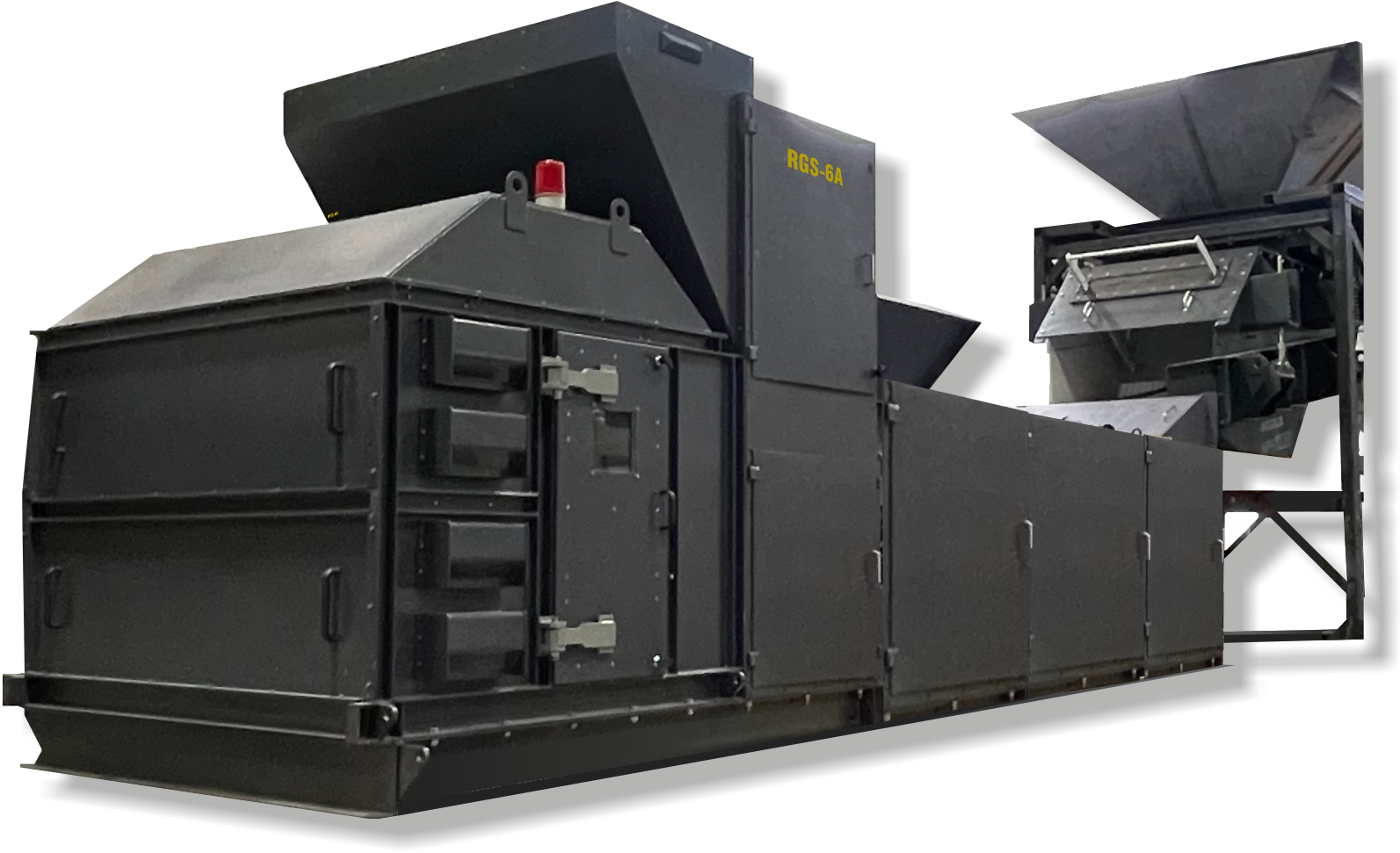
The development and implementation of innovative technologies of tin ore beneficiation, such as X-ray absorption (XRT) separation, is a priority for improving the efficiency of tin-bearing minerals extraction, as the method separates ore pieces, for example, with inclusions of cassiterite or stannite, from light minerals during preliminary beneficiation, significantly reducing the volume of material for subsequent stages.
The application of XRT technologies will allow mining companies to optimize recovery processes, reduce operating costs, minimize negative environmental impact and increase competitiveness, while an integrated approach, including the use of advanced beneficiation technologies, detailed analysis of geological data of deposits and optimization of technological processes, will create a more sustainable and efficient tin mining system.
Opportunities for X-ray absorption (XRT) separation of tin-bearing ore:
-
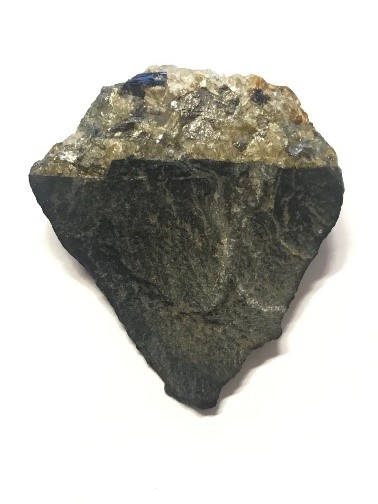
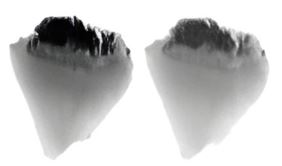
Example of a radiographic image of a piece of “rough concentrate” from tin ore pre-processing in a low and high energy channel (-25+10)
-
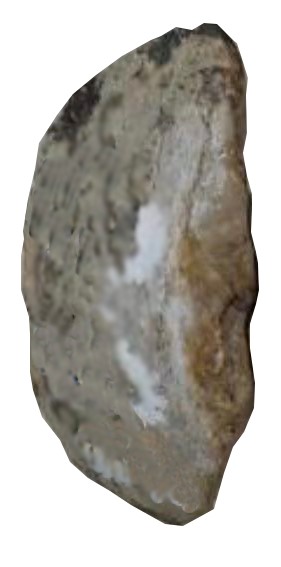
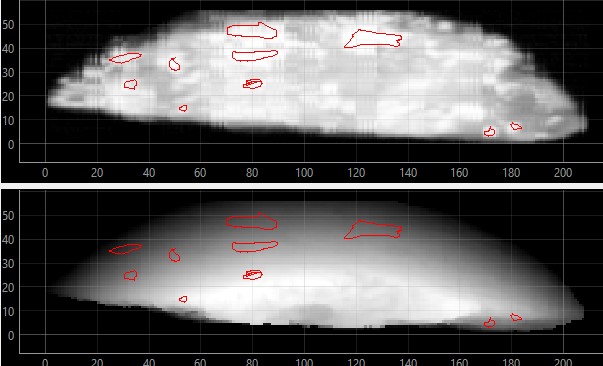
Example of a radiographic image of a piece of “rough concentrate” during pre-processing of poor tin-containing ore in a low energy channel and application of laser triangulation (-25+10)
The technology of preliminary X-ray absorption-XRT enrichment of tin ores is the most efficient:
-
Density/composition contrast
A key advantage of tin ore is the high density of tin-bearing minerals, which contrast sharply with waste rock.
-
Granule size
In deposits of different genesis - hydrothermal, placer, oxidized and complex deposits, there are large crystals of cassiterite with the size from 1 mm and higher. Such sizes of crystals are optimal for the use of X-ray absorption sorting (XRT), even in the presence of impurities of sulfide minerals.
-
Tin-bearing mineral content
If the ore contains a significant proportion of waste rock, XRT technology allows to effectively separate it from the pieces with inclusions of useful minerals, which leads to a significant reduction in the volume of material entering the subsequent stages of processing.
Advantages of X-ray absorption (XRT) separation of tin ores:
-
High efficiency and cost-effectiveness
Firstly, the lack of water requirements makes this method ideal for arid regions, secondly, the preliminary removal of waste rock helps to reduce energy costs for grinding and processing of the material, thirdly, for small and medium-sized deposits, where the construction of a complete beneficiation complex (crushers, flotation machines, tailings ponds) is unprofitable, XRT units become an economical solution.
-
Environmental friendliness
Minimizing the volume of material handled in subsequent processing/recycling stages reduces waste and allows for better control and management of emissions and discharges.
-
Productivity
Improved feed material characteristics lead to a higher quality and purer finished concentrate and allows more efficient methods to be applied, e.g. pretreatment/processing can prepare the ore for more selective and efficient methods.
Conclusion
X-ray Absorption Separation Technology (XRT) is a reliable and environmentally friendly method of tin ore beneficiation, which is most effectively used for the processing of ores with high contrast. The use of this technology allows to significantly reduce the volume of processed material, as well as to minimize the consumption of water and chemical reagents. Taking into account its development prospects, XRT technology can take a leading position among modern methods of tin ore processing.