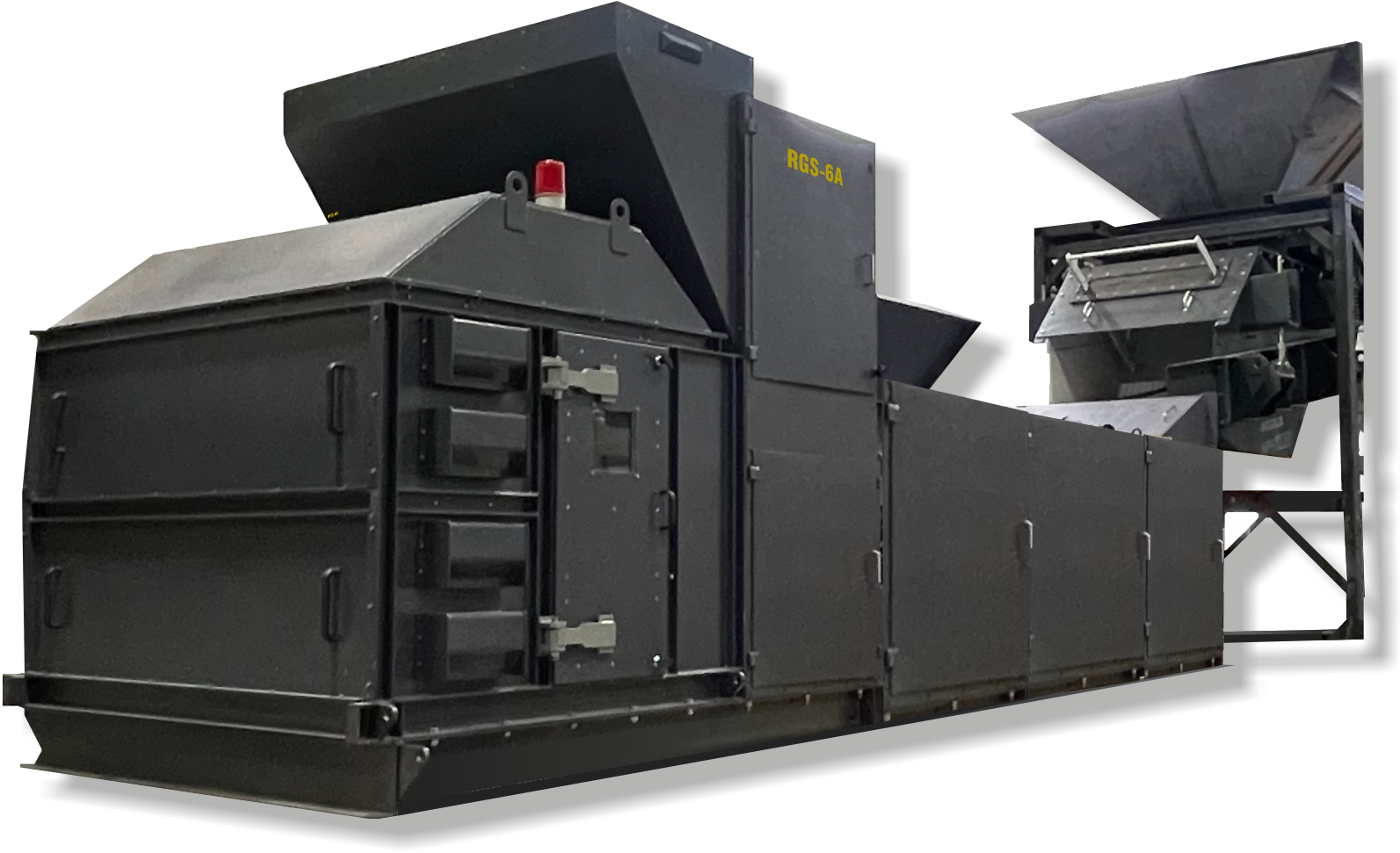
Enrichment of tin-copper ores
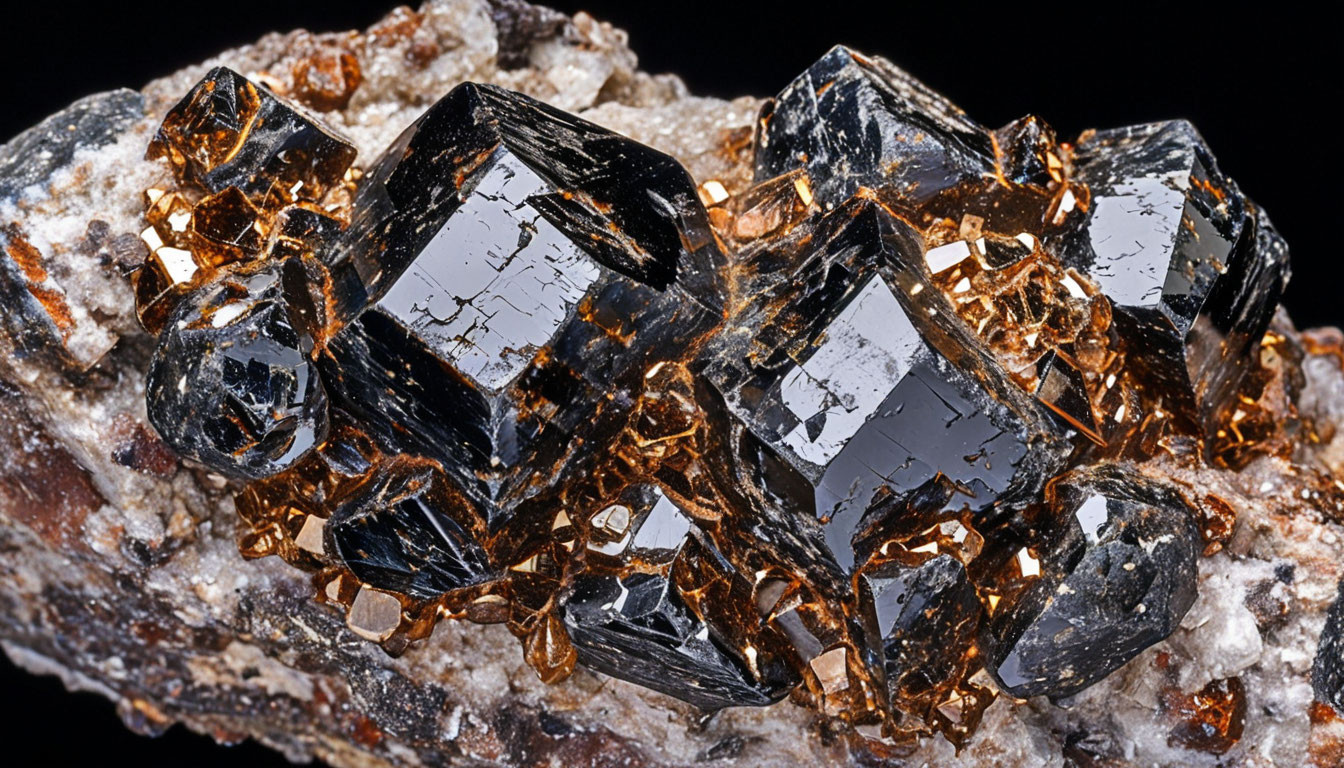
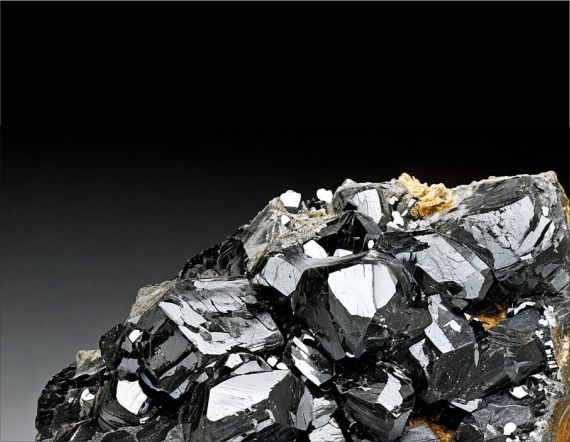
Tin-copper ores are an important source for the production of alloys that combine the unique properties of tin and copper. These alloys have high strength, excellent electrical conductivity and corrosion resistance, which makes them in demand in various industries.
Tin-copper ores play a key role in the production of materials that are widely used in a wide variety of fields.
Current Challenges
-
Mineralogical aspects
From a mineralogical point of view, tin ores are a difficult object to industrial processing due to the low tin and copper content, the presence of a variety of impurities and the presence of tin minerals with different physical and chemical properties.
-
Technological aspects
Efficient beneficiation of complex tin-copper ores is a complex task requiring a comprehensive approach. Optimization of the process includes: combined application of different beneficiation methods, selection of reagents taking into account ore composition, target tin recovery percentage and environmental constraints, strict quality control at all stages of the process from ore intake to concentrate production to ensure stability and reproducibility, optimization of technological solutions to improve energy efficiency, especially when beneficiating poor ores.
-
Economic aspects
Extraction of tin and copper from poor ores or at high processing costs may not be economically viable. The volatility of tin prices on the world market poses a significant risk as it may reduce the profitability of the project. The construction of new and modernization of existing tin processing plants requires significant capital investment.
-
Environmental aspects
The generation of significant quantities of waste (tailings can cause acidic effluents) containing tin and other elements require proper disposal and burial to prevent environmental contamination disposal and burial to prevent environmental contamination.
-
Logistical aspects
Difficulties in transportation of raw materials. Delivery of raw materials from remote deposits may involve significant logistical difficulties and high transportation costs.
Enrichment
The enrichment of tin-copper ores is a complex technological process in which the enrichment scheme is selected taking into account the Sn ratio:Cu, mineralogical composition and required parameters of the finished concentrate. There is no universal solution: in practice, gravity separation, X-ray absorption (XRT) separation and flotation are combined.
The first stage of XRT enrichment makes it possible to remove light empty minerals and pre-enrich the ore by 30-50% by concentrating dense fractions of cassiterite and copper sulfides. After that, fine grinding and flotation are carried out using selective collectors — first on copper, then on tin or both metals at the same time. Control of pH, reagent dosage, and pulp parameters ensures extraction of over 85% of Sn and Cu.
The integration of the XRT method with hydrocyclone and gravity separation, as well as optimization of flotation modes, makes it possible to reduce the volume of processed mass, reduce energy consumption and environmental burden, increasing the efficiency of tin and copper concentrates production.
Opportunities for X-ray absorption (XRT) separation of tin-copper-bearing ore:
-
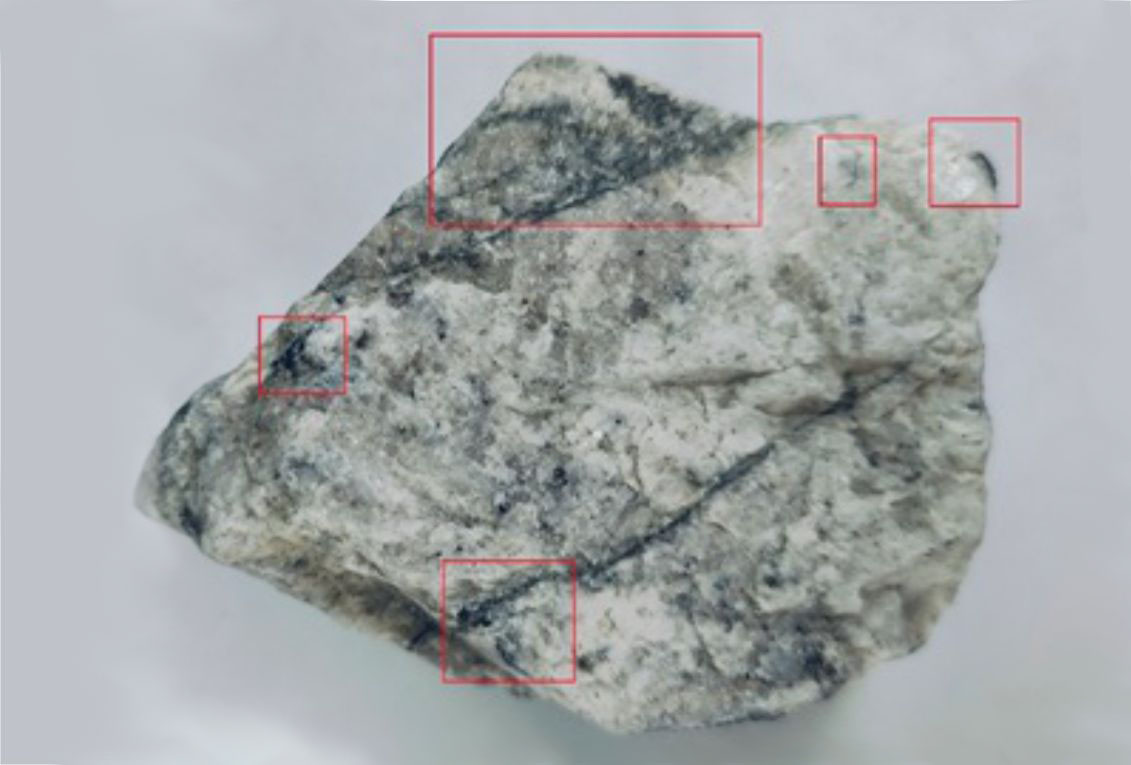
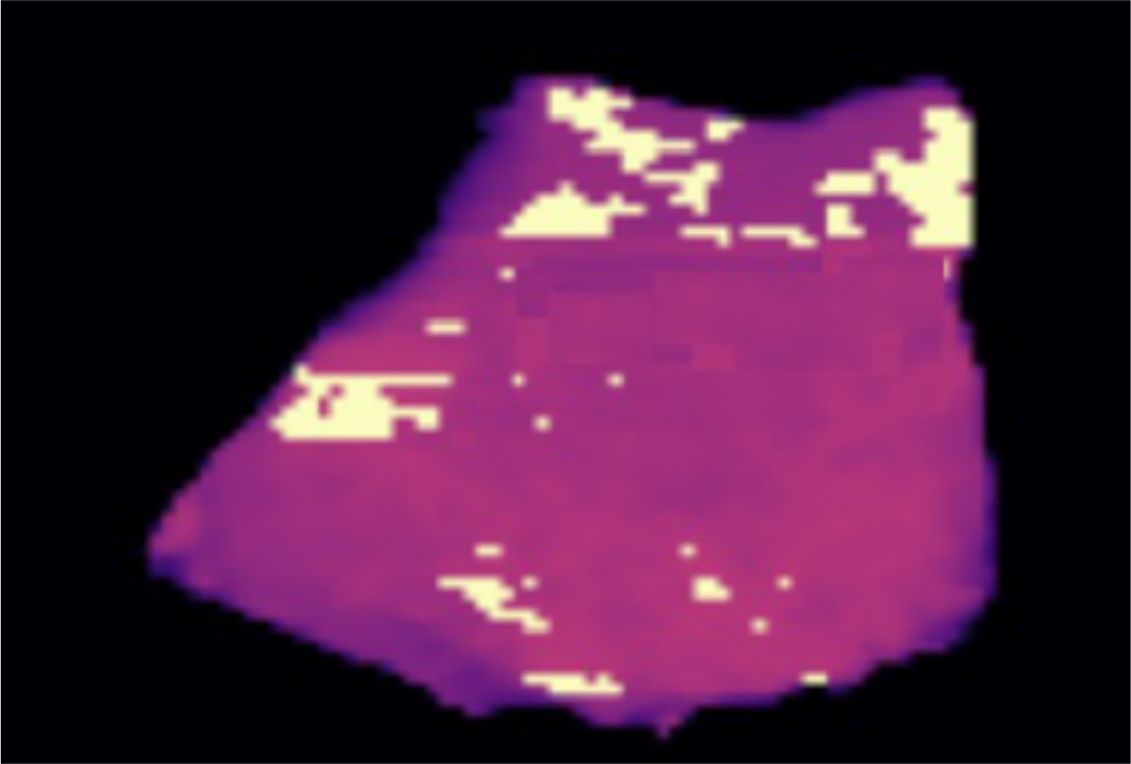
An example of an XRT is an image of a sample of tin-copper–containing ore (-60+20 mm), on the X-ray diffraction pattern, light areas are zones of a potentially useful product represented by cassiterite (the area in a piece is 35.9%).
-
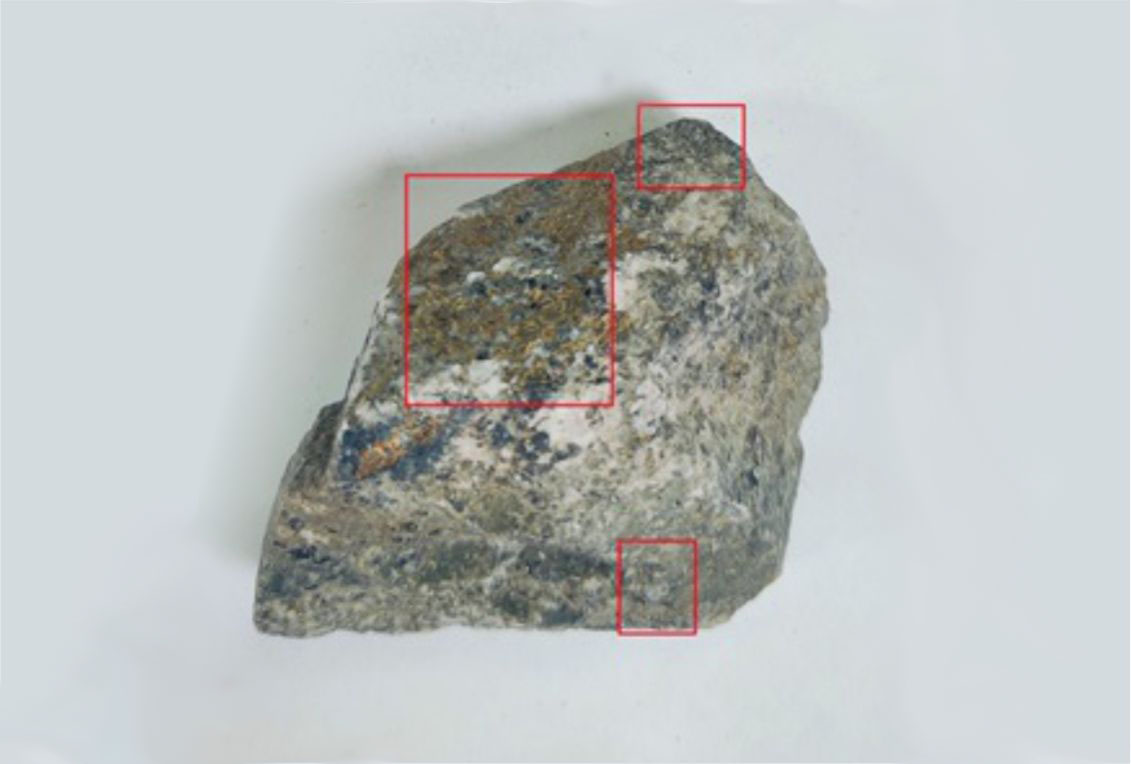
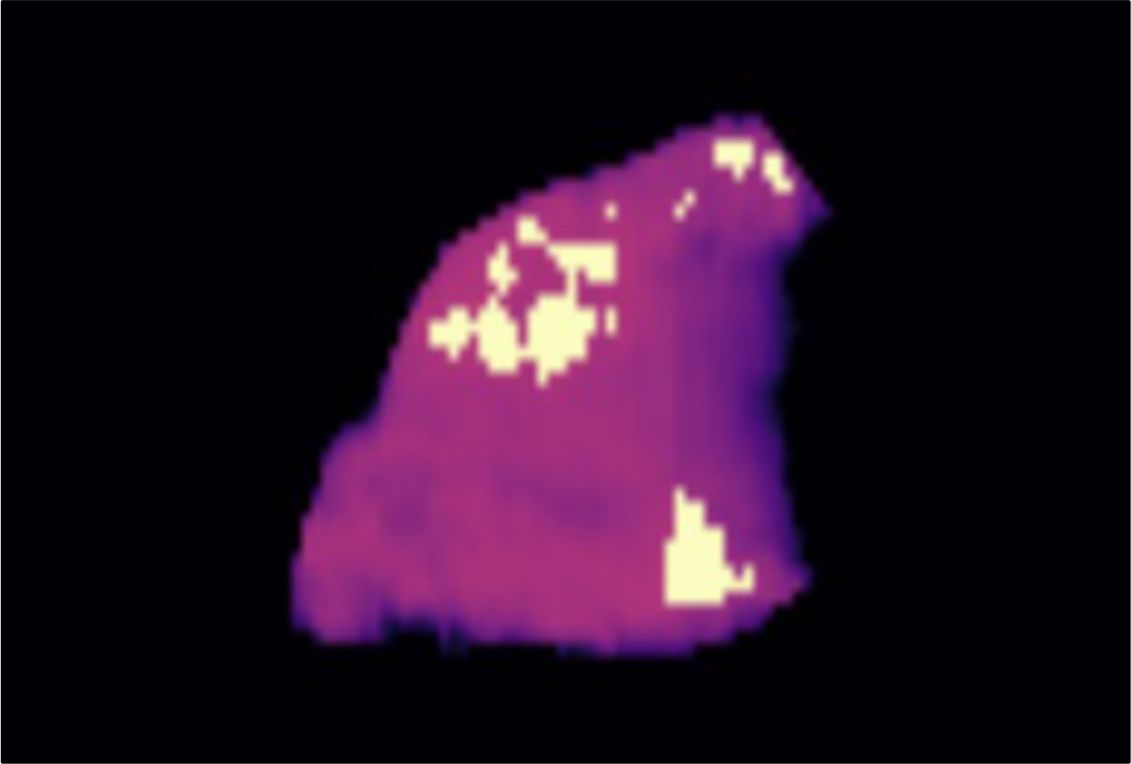
An example of an XRT is an image of a sample of tin-copper–containing ore (-60+20 mm), on the X-ray diffraction pattern, light areas are zones of a potentially useful product represented by chalcopyrite (the area in a piece is 29.4%).
The technology of preliminary X-ray absorption-XRT enrichment of tin-copper ores is the most efficient:
-
Density/composition contrast
A key advantage of tin-copper ore is the high density of tin-bearing minerals, which contrast sharply with waste rock.
-
Granule size
In deposits of different genesis - hydrothermal, placer, oxidized and complex deposits, there are large crystals of cassiterite with the size from 5 mm and higher. Such sizes of crystals are optimal for the use of X-ray absorption sorting (XRT), even in the presence of impurities of sulfide minerals.
-
Tin-copper-bearing mineral content
If the ore contains a significant proportion of waste rock, XRT technology allows to effectively separate it from the pieces with inclusions of useful minerals, which leads to a significant reduction in the volume of material entering the subsequent stages of processing.
Advantages of X-ray absorption (XRT) separation of tin-copper ores:
-
High efficiency and cost-effectiveness
Firstly, the lack of water requirements makes this method ideal for arid regions, secondly, the preliminary removal of waste rock helps to reduce energy costs for grinding and processing of the material, thirdly, for small and medium-sized deposits, where the construction of a complete beneficiation complex (crushers, flotation machines, tailings ponds) is unprofitable, XRT units become an economical solution.
-
Environmental friendliness
Minimizing the volume of material handled in subsequent processing/recycling stages reduces waste and allows for better control and management of emissions and discharges.
-
Productivity
Improved feed material characteristics lead to a higher quality and purer finished concentrate and allows more efficient methods to be applied, e.g. pretreatment/processing can prepare the ore for more selective and efficient methods.
Conclusion
XRT separation is particularly effective in tin-copper ores with high mineral contrast: it removes light waste rocks and pre-concentrates cassiterite together with copper sulfides. This reduces the volume of subsequent grinding by 30-50%, reduces the consumption of water, collectors and equipment energy. The high selectivity and environmental friendliness of the method make it a promising leader in the processing of complex tin-copper ores.