Enrichment of copper-zinc ores
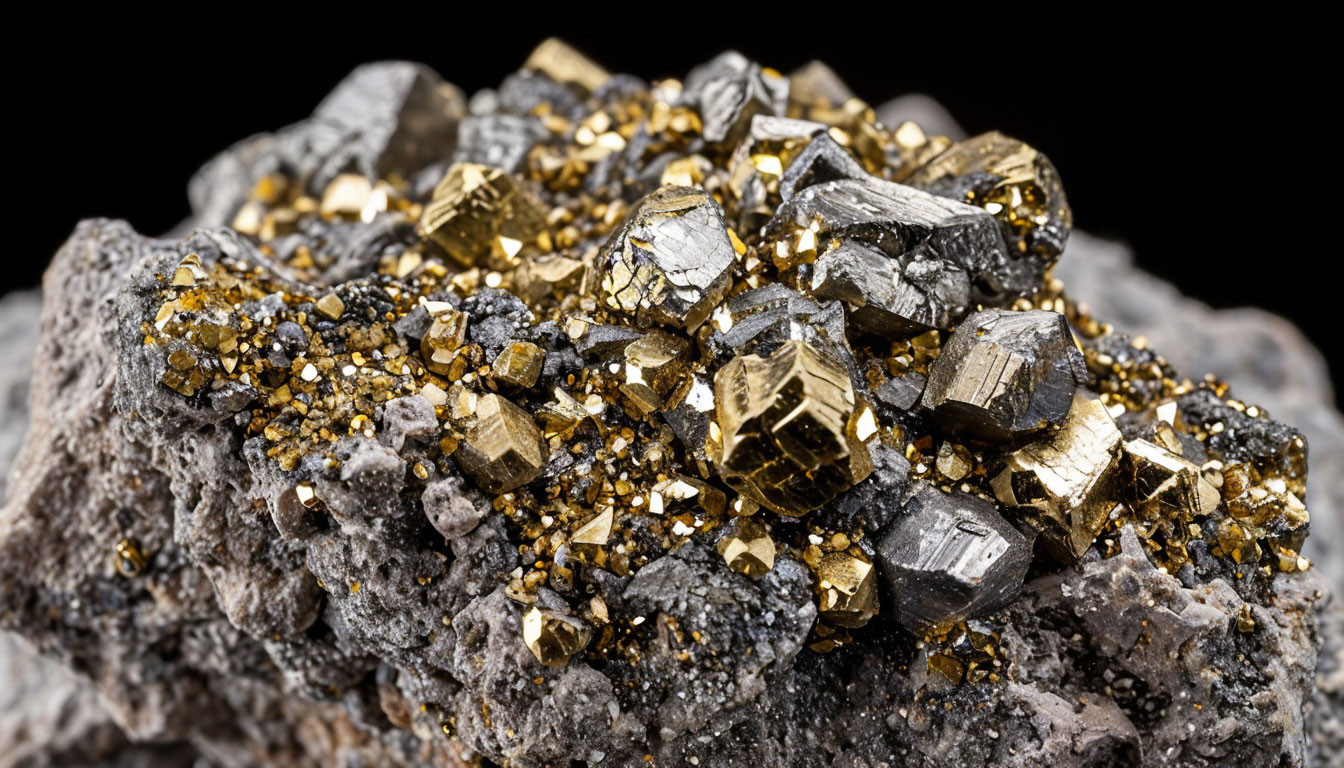
Copper and zinc are important metals widely used in various industries. Their mining faces a number of challenges due to ever-increasing demand, increasing complexity of ores, limited resources and environmental concerns.
Copper and zinc are indispensable metals widely used in many industries. However, their extraction faces a number of challenges due to increasing demand, declining ore quality, limited resources and environmental challenges. Copper is used in the electrical industry to produce cables, wires and transformers, and in the electronics industry as part of microchips. In the construction industry, copper is used for pipes and roofing materials. It is also an important component of chemical reactors and alloys such as brass and bronze. Zinc is mainly used as a protective coating (galvanizing) to prevent corrosion of metals. It is also used in the production of alloys, batteries and some chemical compounds.
Current Challenges
-
Cost growthThe cost of copper and zinc mining and processing operations has been rising steadily. This is due to higher costs of energy, labor, materials and environmental requirements
-
Environmental constraintsThe introduction of increasingly stringent environmental regulations aimed at minimizing the environmental impact of the mining industry requires the development and implementation of new environmentally friendly technologies and waste disposal methods
-
Increased demandThe growth of the global economy and the development of various industries such as electronics, energy and construction are leading to a steady increase in demand for copper and zinc, which is increasing pressure on mining operations
Enrichment
The process of beneficiation of copper-zinc ores is a complex technological operation aimed at extracting copper and zinc from the ore material with the least possible losses. The choice of beneficiation methods is dictated by the type of ore, its mineralogical composition and the required level of metal concentration. Different types of ores (sulphide, oxide, carbonate) require different beneficiation technologies.
As a result of beneficiation process two main products are formed: Concentrate - material with high concentration of copper and zinc, prepared for further metallurgical processing. Tailings - waste material generated during the beneficiation process. They may contain insignificant amounts of metals and their further processing may not be economically viable.
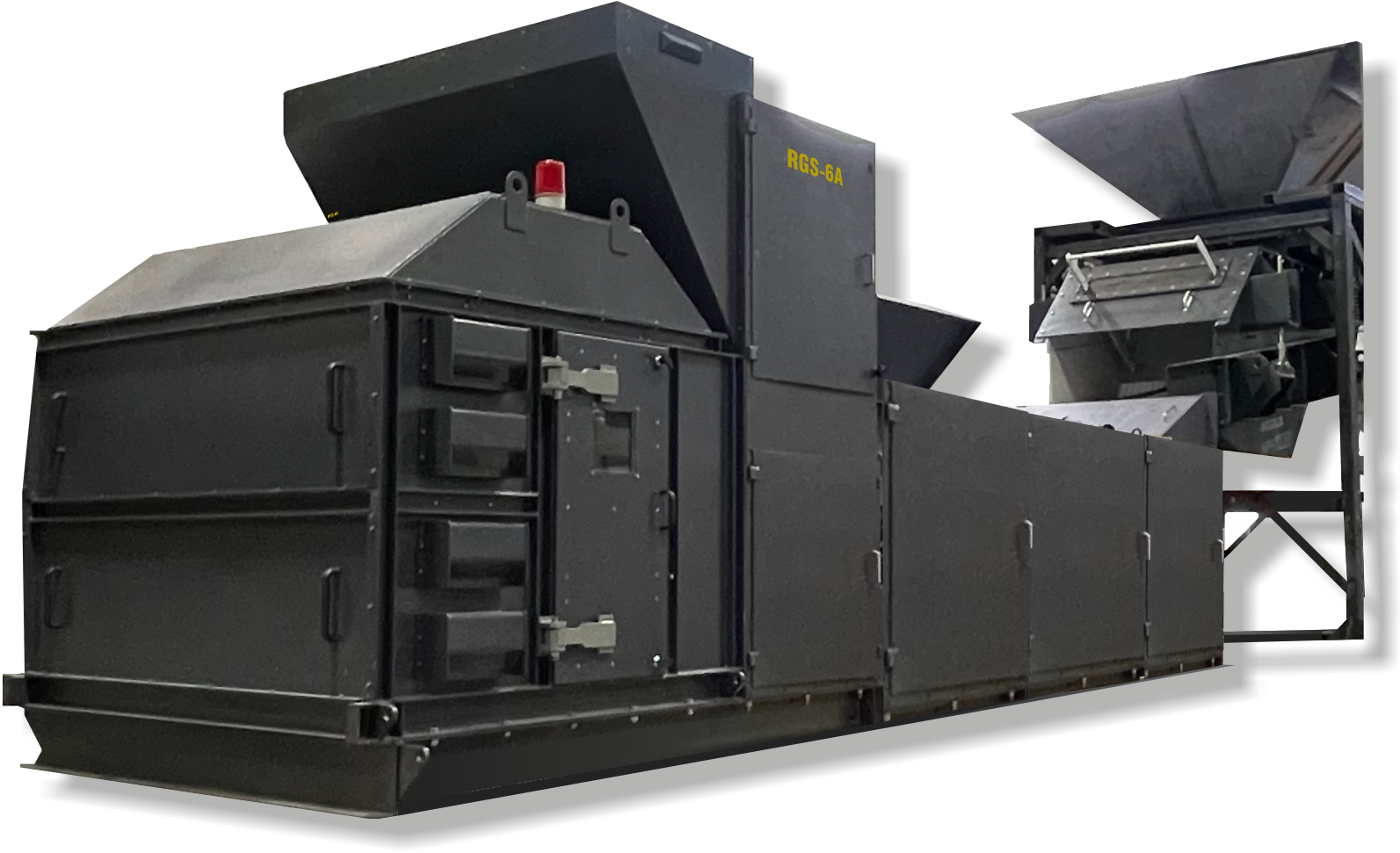
This technology makes it possible to reduce production costs, including by reducing energy consumption for grinding and transportation. In addition, XRT enrichment is characterized by a lower environmental burden, as it is a dry process (does not require water and reagents) and leads to a reduction in CO₂ emissions due to the optimization of processing. High productivity, the ability to process large volumes of material and effective separation of useful material from waste rock at early stages of the process are also advantages of XRT technology. However, successful implementation of XRT enrichment requires careful analysis of the mineralogical composition of the ore and investment in specialized equipment.
Principle of X-ray absorption -XRT- mineral separation:
-
The principle of X-ray absorption separation of minerals is based on the analysis of differences in the ability of different minerals present in the ore to absorb X-rays. This method allows to identify valuable mineral components and determine their percentage ratio in the sample. The efficiency of X-ray absorption separation is due to the fact that minerals with a higher atomic number (Z), effective atomic number (Zeff) or X-ray density (ρx) show an increased ability to absorb X-rays.
X-ray absorption separation analyzes the intensity of the X-rays that pass through the ore/rock samples using an X-ray detector that converts the X-rays into electrical signals. The information obtained is processed by specialized software of the automated control system (ACS).
As a result of data processing, the system identifies useful mineral inclusions in the sample and determines their percentage of the total area. By comparing the values obtained with a preset separation threshold, the ACS classifies the sample as “concentrate” or “tailings”.
After classification, the sample is directed to the appropriate compartment (concentrate or tailings) by means of a pneumatic separator.
Preliminary XRT beneficiation technology for copper-zinc ores is the most efficient:
-
Ore processing
XRT separation is used for the pre-processing of massive sulphide ores containing chalcopyrite (Cu), sphalerite (Zn) and pyrite (Cu), especially those in a quartz or carbonate matrix. It is also suitable for vein disseminated, coarse grained and skarn copper-zinc ores characterized by contrast.
-
Tailings processing
XRT separation is advantageous for processing low-grade ores, allowing for reduced processing volume.
Advantages of X-ray absorption (XRT) separation of copper-zinc ores:
-
High efficiency and cost-effectiveness
Pre-processing of ore is characterized by high efficiency and economic feasibility. It allows optimizing the volume of processed material at the next stages of production, increasing the efficiency of these processes. Pre-processing results in an increase in the concentration of valuable components in the ore and minimizes the amount of waste rock. This leads to savings in energy resources and reagents, and helps to reduce production costs at subsequent stages of processing.
-
Environmental friendliness
Minimizing the volume of material handled in subsequent processing/recycling stages reduces waste and allows for better control and management of emissions and discharges.
-
Performance
Improved feed material characteristics lead to a higher quality and purer finished concentrate and allows more efficient methods to be applied, e.g. pretreatment/processing can prepare the ore for more selective and efficient methods.
Conclusion
X-ray Absorption Separation Technology (XRT) is a reliable and environmentally friendly method of copper-zinc ore beneficiation, which is most effectively used in the processing of ores with high contrast. Application of this technology allows to significantly reduce the volume of processed material, as well as minimize the consumption of water and chemical reagents. Given its promising potential, XRT technology has the potential to take a leading position among modern methods of processing various ores.