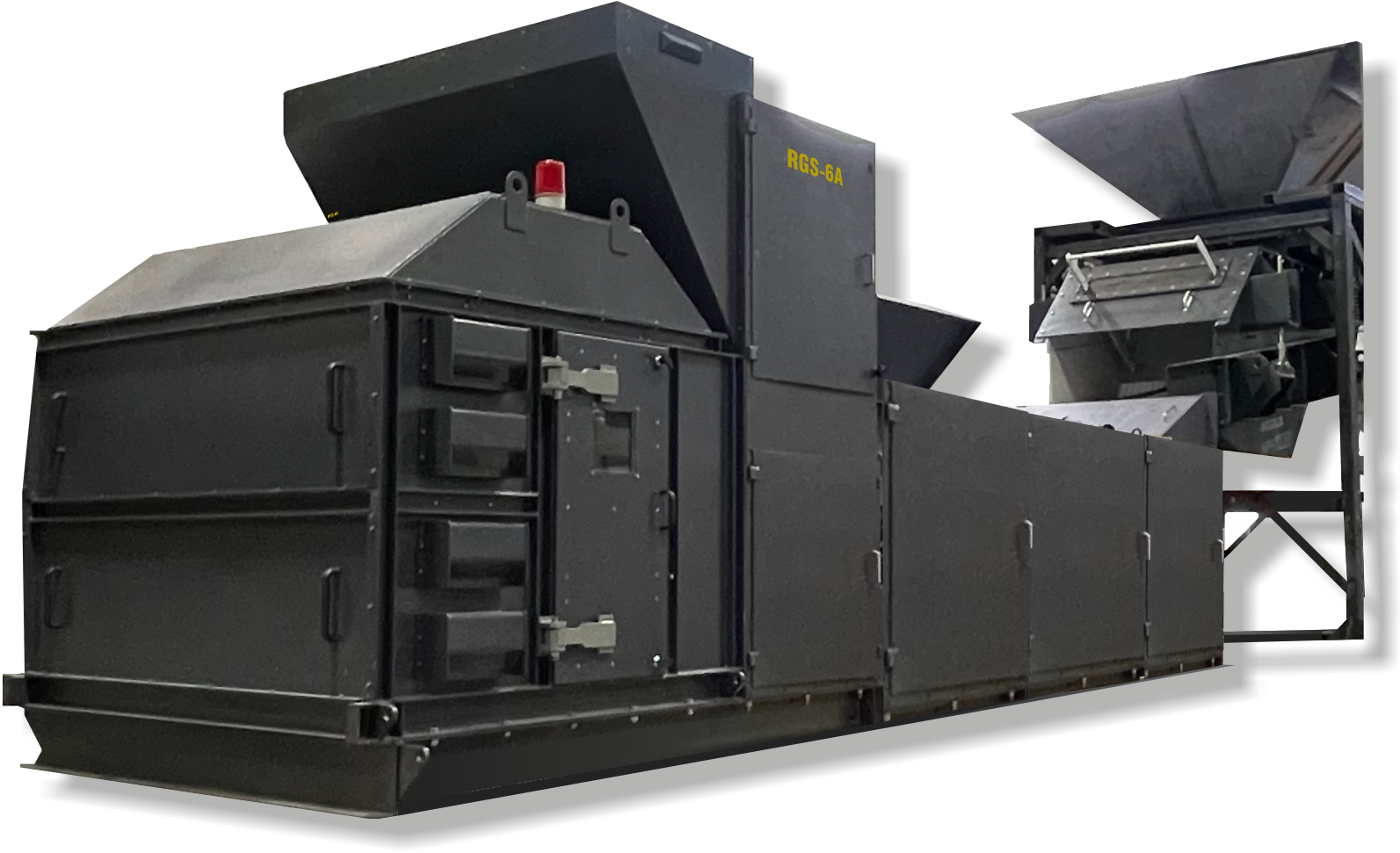
Enrichment of magnesite ores
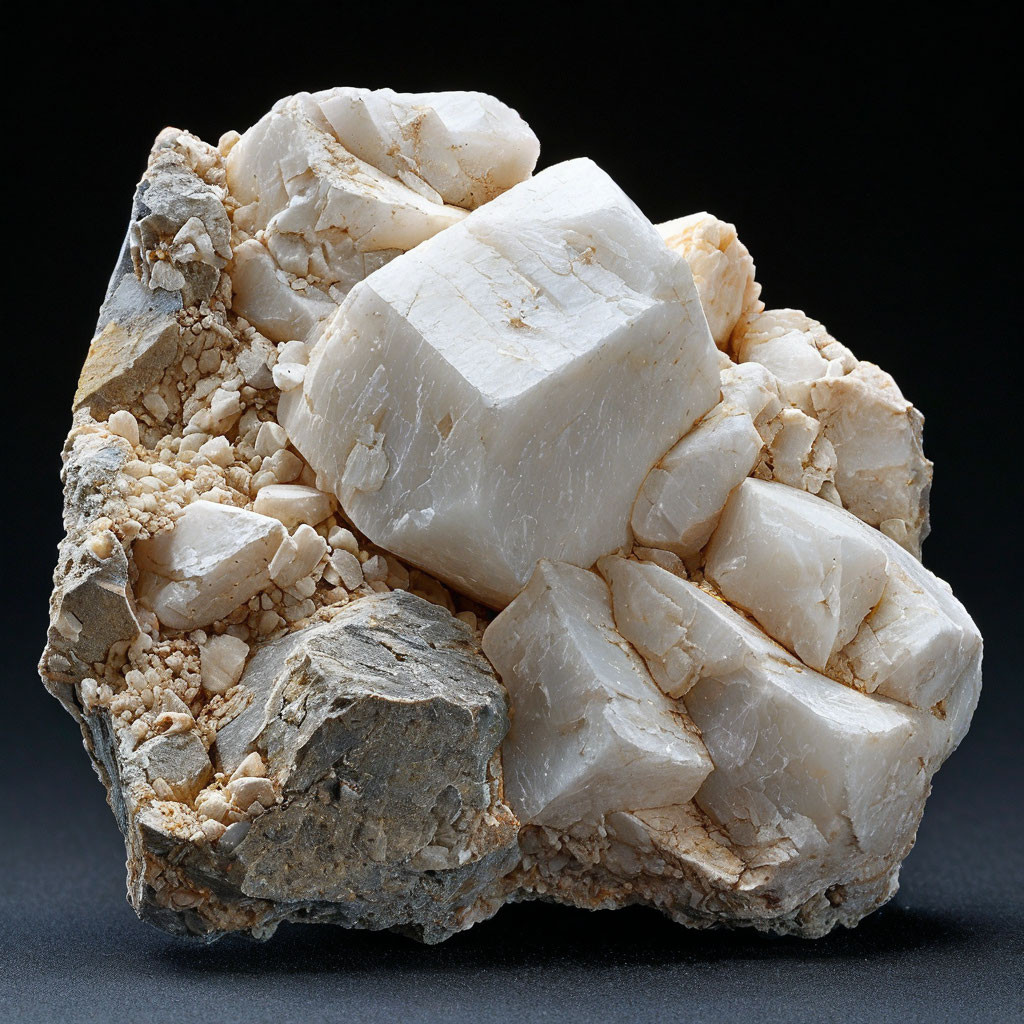
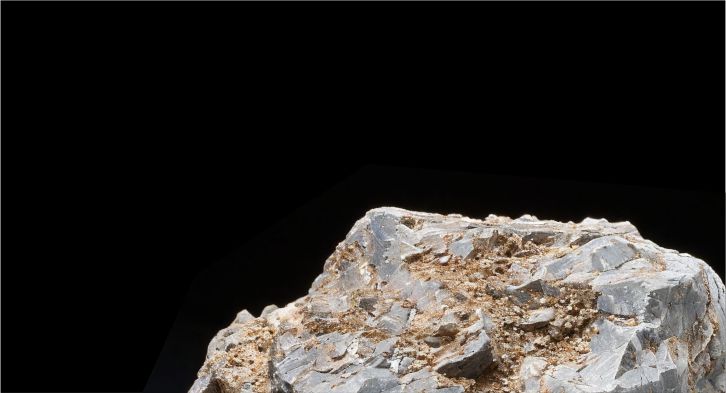
Magnesite is an important mineral with a wide range of applications in various industries.
The key importance of magnesite is in the production of heat-resistant materials for lining industrial furnaces. In addition, magnesium extracted from magnesite is used in metallurgy, medicine and construction. Magnesite is also used in the production of cement, gas magnesite and foam magnesite, and is a valuable component of the composite material fibrolite.
Current Challenges
-
Environmental aspectsPossibility of negative impact on the environment. Magnesite ore mining and concentration processes may be accompanied by problems of waste disposal, use of chemical reagents and disturbance of the ecological balance
-
Personnel aspectsLack of qualified personnel. Specificity of magnesite ore beneficiation processes requires highly qualified specialists, which may become a limiting factor for the industry development
-
Logistical aspectsDifficulties in transportation of raw materials. Delivery of raw materials from remote deposits may involve significant logistical difficulties and high transportation costs
Enrichment
The magnesite beneficiation process is a key step in obtaining high quality raw materials for the production of magnesia and other valuable products. The variety of beneficiation methods, from traditional to innovative ones such as X-ray absorption separation (XRT), is driven by the specific composition of ores and the requirements for the final product. Adoption of advanced technologies, including XRT, allows mining companies to improve magnesium recovery efficiency, minimize operating costs and minimize environmental impact. A systematic approach combining the use of innovative enrichment methods with detailed geological analysis of deposits and optimization of technological processes helps to create a sustainable and highly efficient magnesite mining system.
X-ray absorption (XRT) separation capabilities of magnesite ore:
-
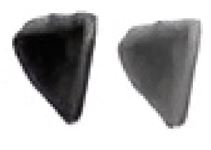
Example of a radiographic image of a piece of “rough concentrate” from the pre-processing of magnesite ore (serpentine) in a low and high energy (-20+10) channel.
-
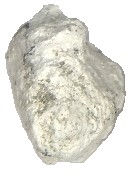
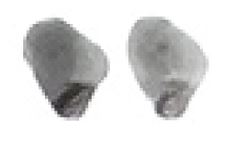
Example of X-ray image of a piece of “rough concentrate” from the pre-processing of magnesite ore (calcite) in a low and high energy (-20+10) channel.
-
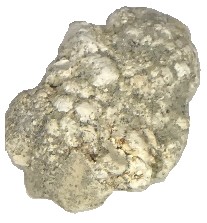
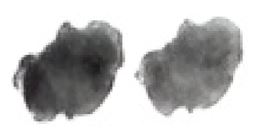
Example of a radiographic image of a piece of “rough concentrate” from the pre-processing of magnesite ore (magnesite) in a low and high energy (-20+10) channel.
The technology of preliminary X-ray absorption-XRT-enrichment of magnesite ores is the most effective:
-
Density/composition contrast
The higher the difference in atomic density between magnesite and impurities, such as with “light impurities” (quartz, clays, carbonaceous rocks) and/or “heavy impurities” (hematite, pyrite, chromites), the higher the sorting accuracy.
-
Granule size
Coarse-grained ores with large pieces of magnesite and rock provide a clear separation due to the full disclosure of minerals.
-
Magnesite distribution
XRT is effective for ores with irregularly distributed magnesite where it forms distinct veins, nodules or zones of high concentration surrounded by waste rock, e.g. carbonate deposits with quartz veins, sedimentary deposits with coal or clay interbeds.
-
Magnesite content
XRT can remove up to 50% of waste rock at an early stage in poor ores (15-30% MgCO₃), increasing the magnesite grade of the concentrate and reducing the cost of downstream processing, such as placer deposits.
Advantages of X-ray absorption (XRT) separation of magnesite ores:
-
High efficiency and cost-effectiveness
Firstly, the lack of water requirements makes this method ideal for arid regions, secondly, the preliminary removal of waste rock helps to reduce energy costs for grinding and processing of material, thirdly, the possibility of processing coarse-grained particles minimizes the formation of fines, which improves the quality of the final product, fourthly, high speed and productivity in the sorting of feedstock.
-
Environmental friendliness
Minimizing the volume of material handled in subsequent processing stages of recycling reduces waste and allows for better control and management of emissions and discharges.
-
Productivity
The high cost of magnesite ore beneficiation is due to a number of factors: low magnesia content, complexity of the technological process and the need to use expensive equipment. Competitive pressure from alternative sources of magnesia requires constant optimization of production and cost reduction. Price instability on world markets also has a significant impact on the profitability of magnesite ore mining and processing.
Conclusion
XRT separation technology offers a reliable and environmentally friendly solution for magnesite beneficiation, especially where vein minerals have distinct X-ray properties. By optimizing particle size and sensor settings, this technology can significantly improve ore quality while reducing downstream processing costs. As improvements are made, XRT technology could become a key technology in modern magnesite processing.