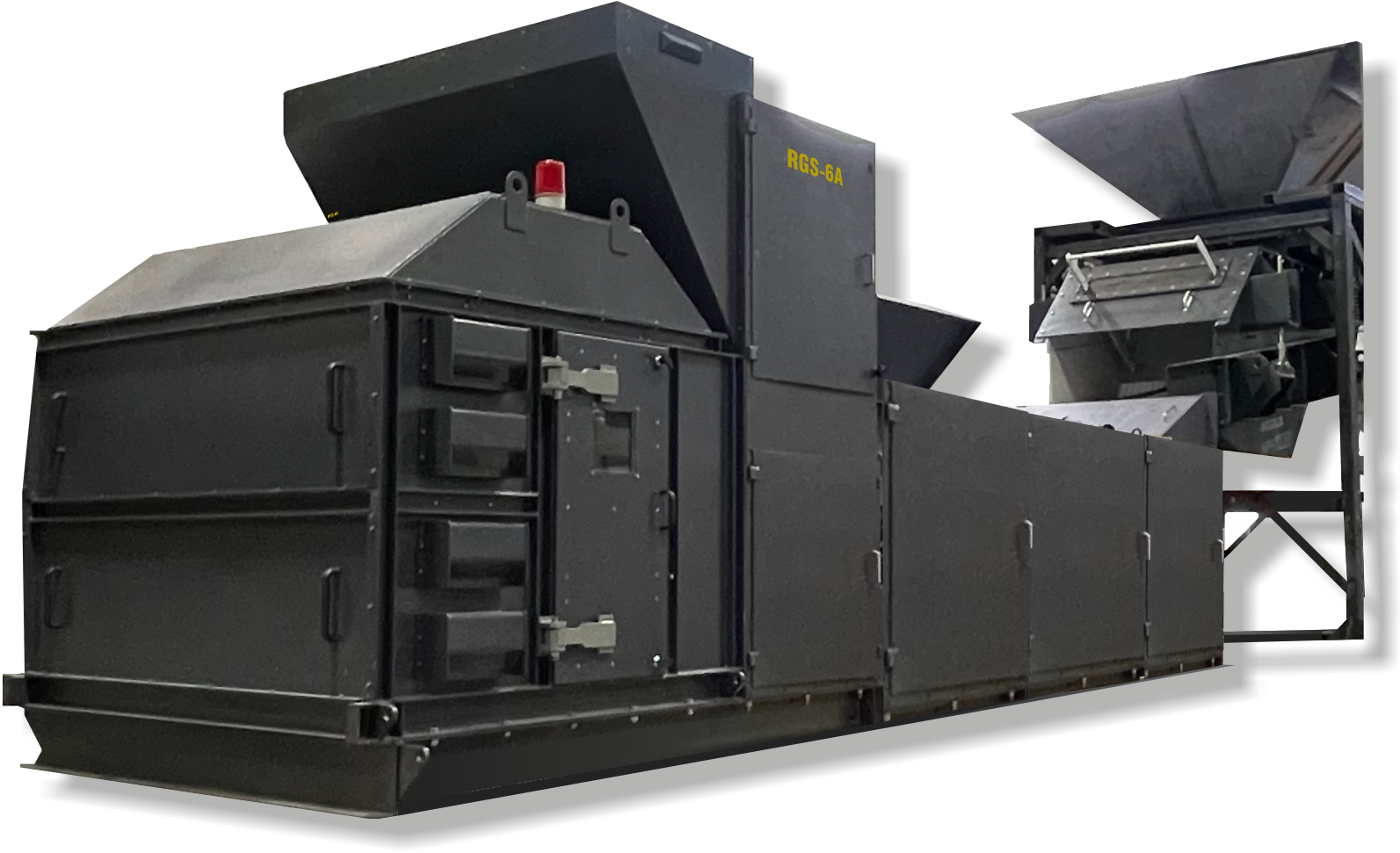
Enrichment of fluorite ores
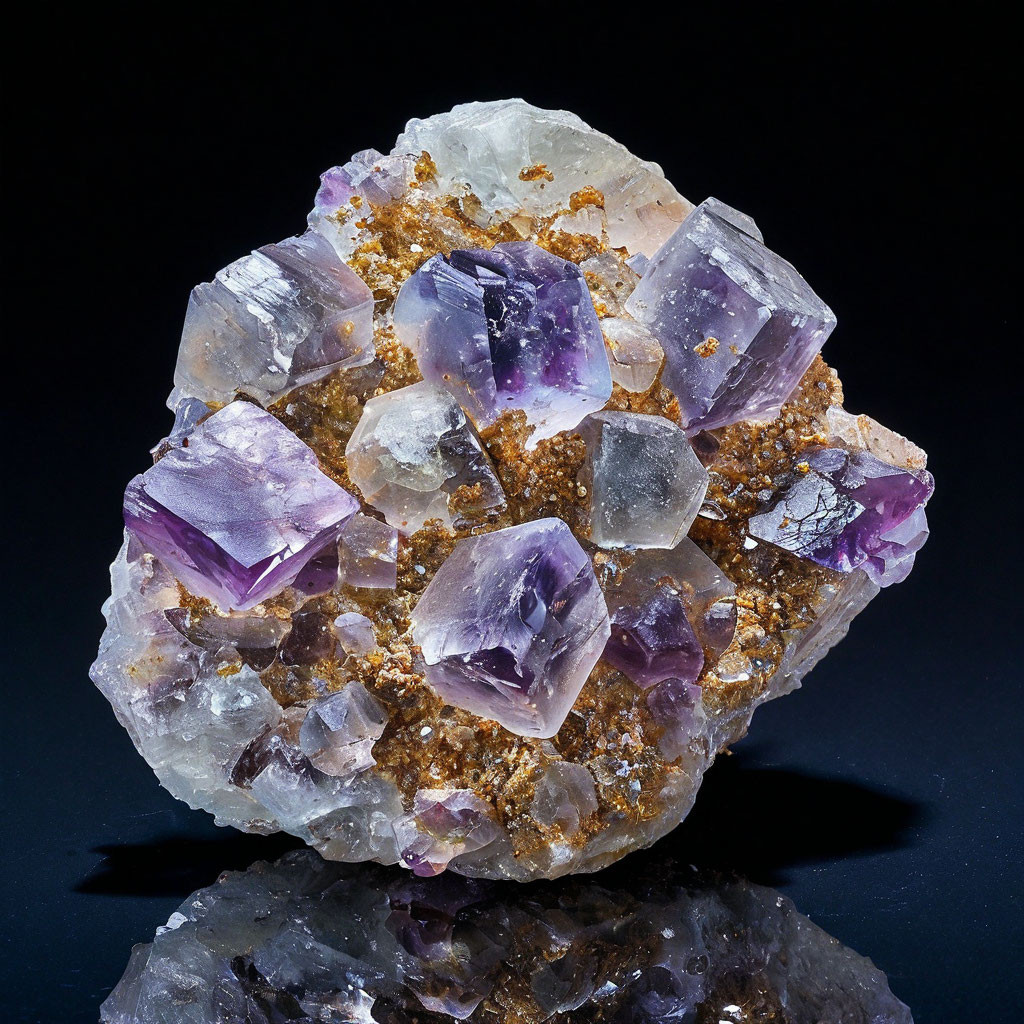
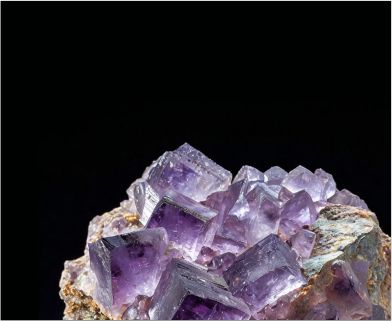
Fluorite is a strategic mineral with a wide range of applications in various industrial fields. Fluorite ores, also known as fluorspar, are valuable raw materials for metallurgical, chemical and a number of specialized industries.
Fluorite's uses range from metallurgy, where it serves as a flux to produce high quality alloys, to the chemical industry, where it is used to produce cryolite for aluminum production. Fluorite also plays an important role in the glass industry (production of frosted glass and enamels), the optical industry (manufacture of lenses and instruments) and other fields such as nuclear, electronic and space technology.
Current Challenges
-
Geological aspects
The development of fluorite deposits is associated with a number of geological factors that adversely
that negatively affect the efficiency and economic feasibility of mining. Low fluorite concentration, heterogeneous ore composition (CaF₂ (20-85%)), presence of oxidized zones and complex geological structures increase processing volumes, enrichment costs, safety risks and complicate recovery of the useful component -
Technological aspects
The urgent task is to develop and improve methods of enrichment of fluorite ores with low content of valuable components to obtain high-quality concentrate that meets strict industrial standards
-
Economic aspects
The high cost of fluorite beneficiation is due to the low content of the mineral in the ore, the complexity of the technological process and the need to use expensive equipment. Competitive pressure from alternative sources of fluorite, including synthetic CaF₂, requires constant optimization of production and cost reduction. Fluorite price instability, which depends on demand in the metallurgical and chemical industries, exacerbates the situation
-
Environmental aspects
The mining and processing of fluorite ores can have negative environmental impacts, such as high water consumption, which is particularly dangerous in regions where water resources are scarce, the generation of toxic waste containing heavy metals and chemicals, the risk of ecological imbalance, and the need to comply with strict environmental regulations, for example, in the production of hydrofluoric acid, the emissions of which are strictly limited
-
Logistical aspects
Transportation of raw materials from remote deposits can be associated with serious logistical problems and high transportation costs
Enrichment
The process of enrichment of fluorite ore is a complex technological operation, the efficiency of which is determined by the characteristics of the feedstock and the specified degree of purity of the target product. Due to the variety of factors affecting the process, there is no universal enrichment method. In practice, various techniques are applied, often used in combination with each other. The optimal enrichment scheme is selected individually for each case, taking into account all relevant parameters.
The development and implementation of innovative technologies for enrichment of fluorite ores, such as X-ray absorption (XRT) separation and other advanced methods, is a priority to improve the efficiency of mining this mineral.
The use of XRT technologies will allow mining companies to optimize recovery processes, reduce operating costs, minimize negative environmental impact and increase competitiveness, while an integrated approach, including the use of advanced beneficiation technologies, detailed analysis of geological data of deposits and optimization of technological processes, will create a more sustainable and efficient fluorite mining system.
X-ray absorption (XRT) separation capabilities of fluorite ore:
-
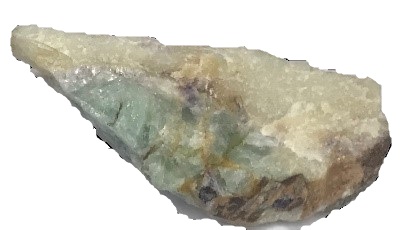
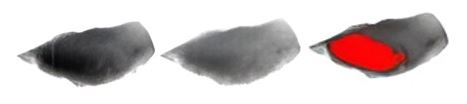
Example of a radiographic image of a piece of “rough concentrate” from the pre-processing of fluorite ore in a low and high energy channel (-20+10)
-
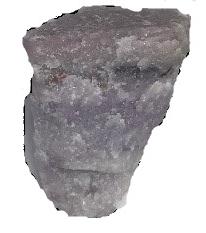
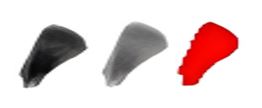
Example of a radiographic image of a piece of “rough concentrate” from the pre-processing of fluorite ore in a low and high energy channel (-20+10)
The technology of preliminary X-ray absorption-XRT-enrichment of fluorite ores is the most effective:
-
Density/composition contrast
The higher the difference in atomic density between fluorite and waste rock, such as quartz-fluorite or barite-fluorite ores, the higher the sorting accuracy.
-
Granule size
XRT works better on large fragments where density differences between fluorite, CaF₂, and waste rock such as quartz/calcite or barite are clearly visible.
-
Fluorite distribution
XRT is effective for ores with irregularly distributed fluorite where it forms distinct veins, nodules or high concentration zones surrounded by waste rock.
-
Fluorite content
If the ore contains a significant proportion (30-50%) of lightweight waste rock such as quartz or clay, XRT can effectively separate it. This reduces the volume of material entering the subsequent processing stages.
Advantages of X-ray absorption (XRT) separation of fluorite ores:
-
High efficiency and cost-effectiveness
Firstly, the lack of water requirements makes this method ideal for arid regions, secondly, the preliminary removal of waste rock helps to reduce energy costs for grinding and processing of the material, thirdly, for small and medium-sized deposits, where the construction of a complete beneficiation complex (crushers, flotation machines, tailings ponds) is unprofitable, XRT units become an economical solution.
-
Environmental friendliness
Minimizing the volume of material handled in subsequent processing/recycling stages reduces waste and allows for better control and management of emissions and discharges.
-
Productivity
Improved feed material characteristics lead to a higher quality and purer finished concentrate and allows more efficient methods to be applied, e.g. pretreatment/processing can prepare the ore for more selective and efficient methods.
Conclusion
XRT separation technology is a reliable and environmentally friendly solution for the beneficiation of fluorite ores. It is most effective when processing coarse-grained ores with contrasting densities, reducing the volume of material processed and minimizing the consumption of water and reagents. With the development of XRT technology, it can occupy a key position in modern fluorite ore processing methods.