

Core analysis during drilling
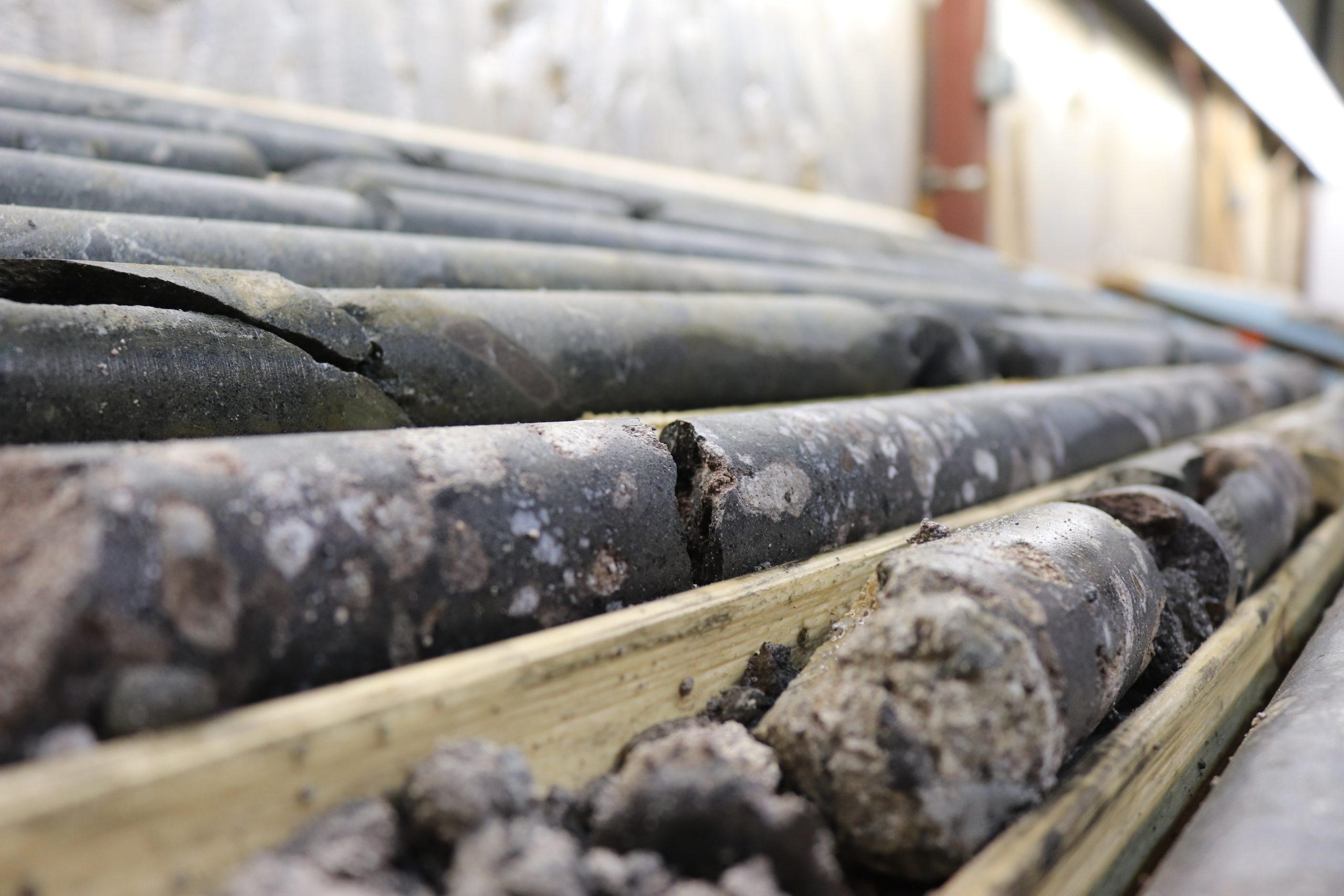
To predict the process of drilling and operation of wells in the development of various fields, the qualitative and quantitative assessment of the mineral composition of rocks in the core material is important.
Core and drill cuttings are the main direct source of information on the geological structure of the well section and on the physical properties of rocks. Therefore, obtaining reliable information on its mineral composition allows us to judge the conditions of rock formation and their physical, chemical and mechanical properties, which is important for prospecting, exploration and field development. The main object of study in oil and gas geology are the following types of sedimentary rocks:
- clastic (sands, sandstones);
- carbonate (limestones, dolomites);
- clay.
The most convenient, express and reliable non-destructive method of diagnostics of mineral composition of rocks, including analysis of salt deposits of complex composition, analysis of highly dispersed clay minerals and accessory minerals, as well as microimpurities is the X-ray diffraction (XRD) method.
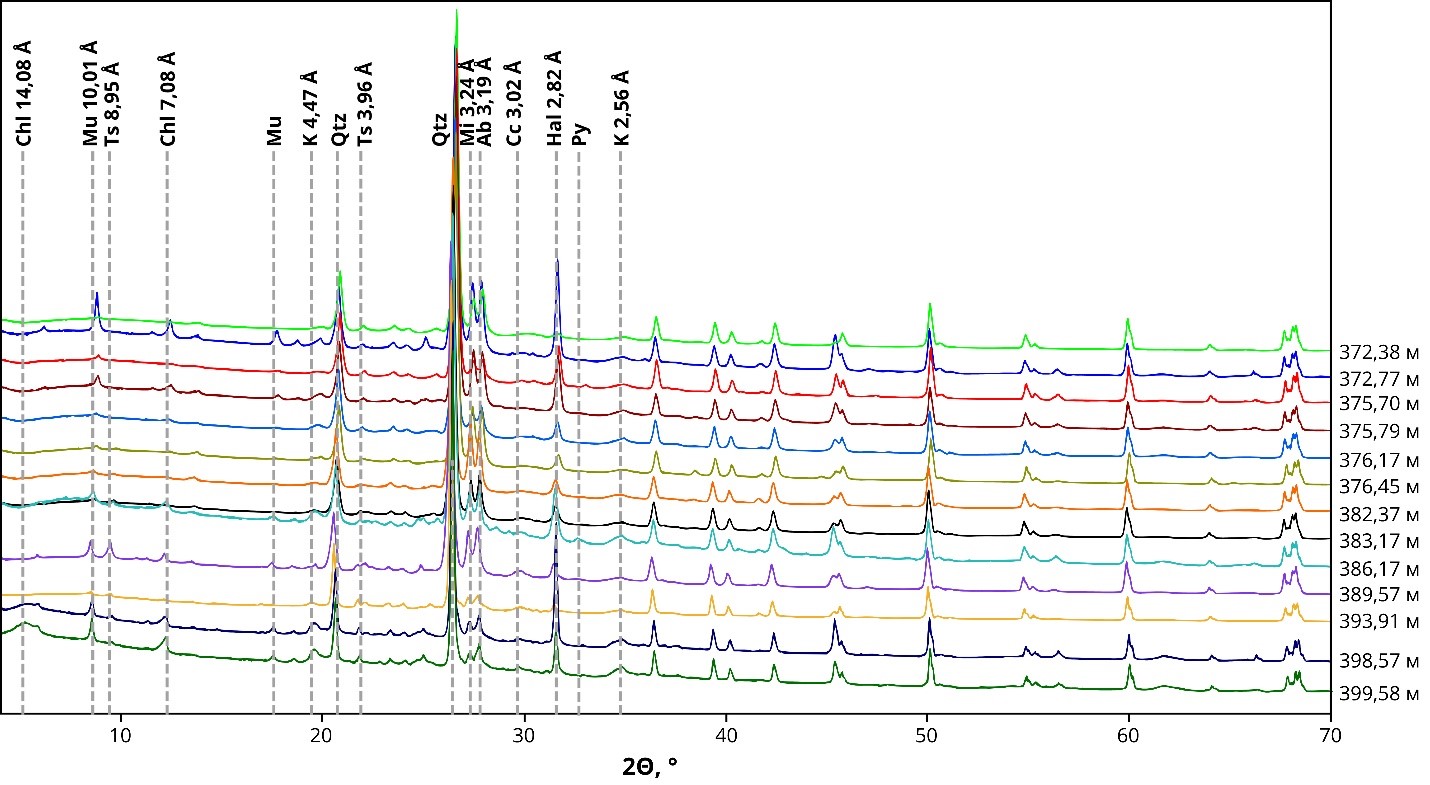
Comparison of X-ray radiographs of cores obtained from different well depths
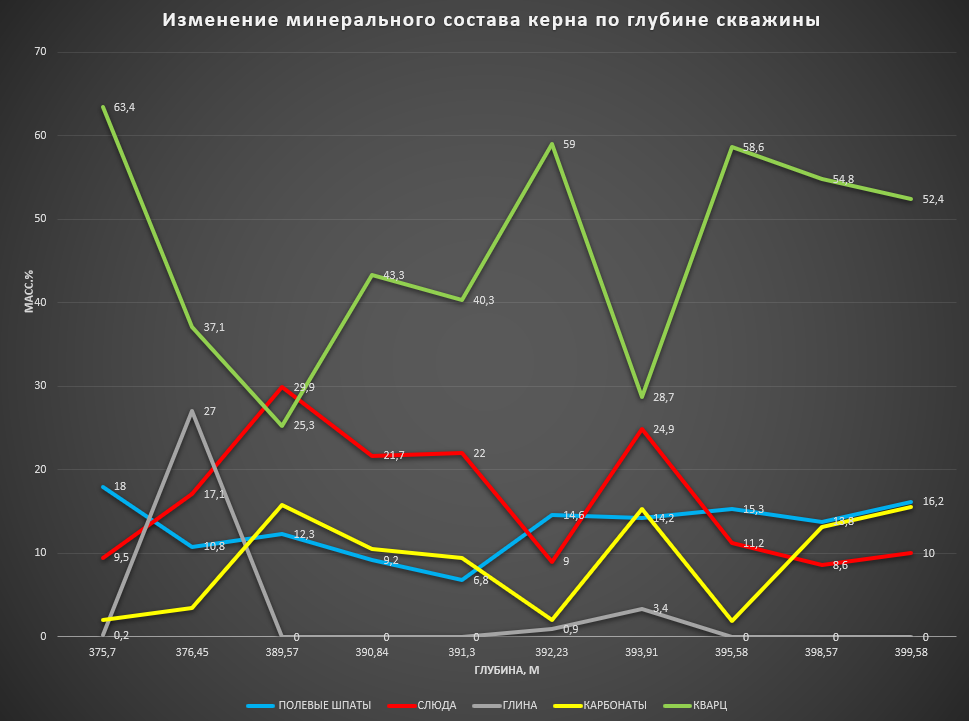
Change of mineral composition of core by depth of the well (according to the data from the table)
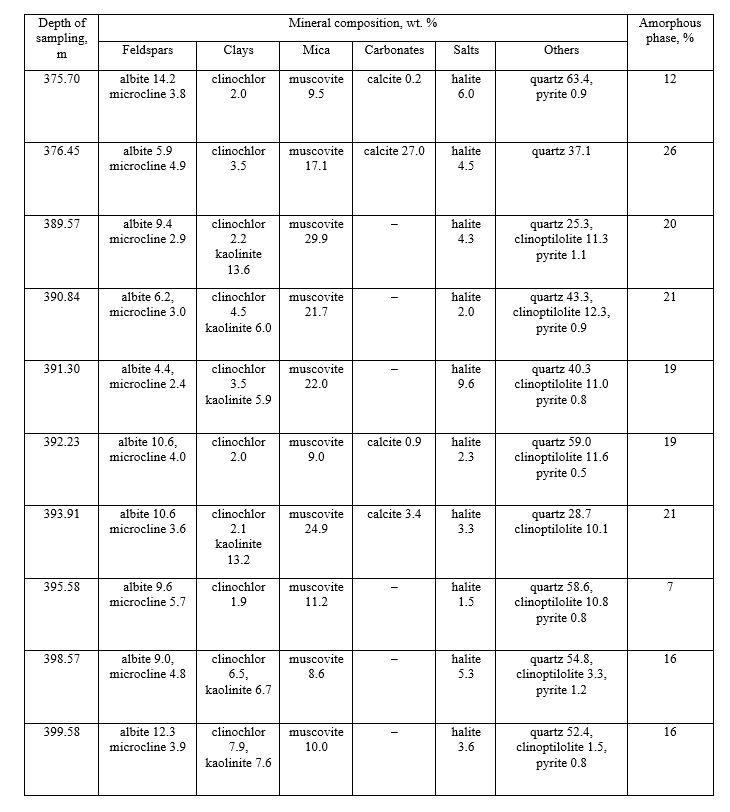
Summary table with data on mineral composition and amorphous phase content in core samples extracted from different depths of an oil and gas well
Clay fraction analysis
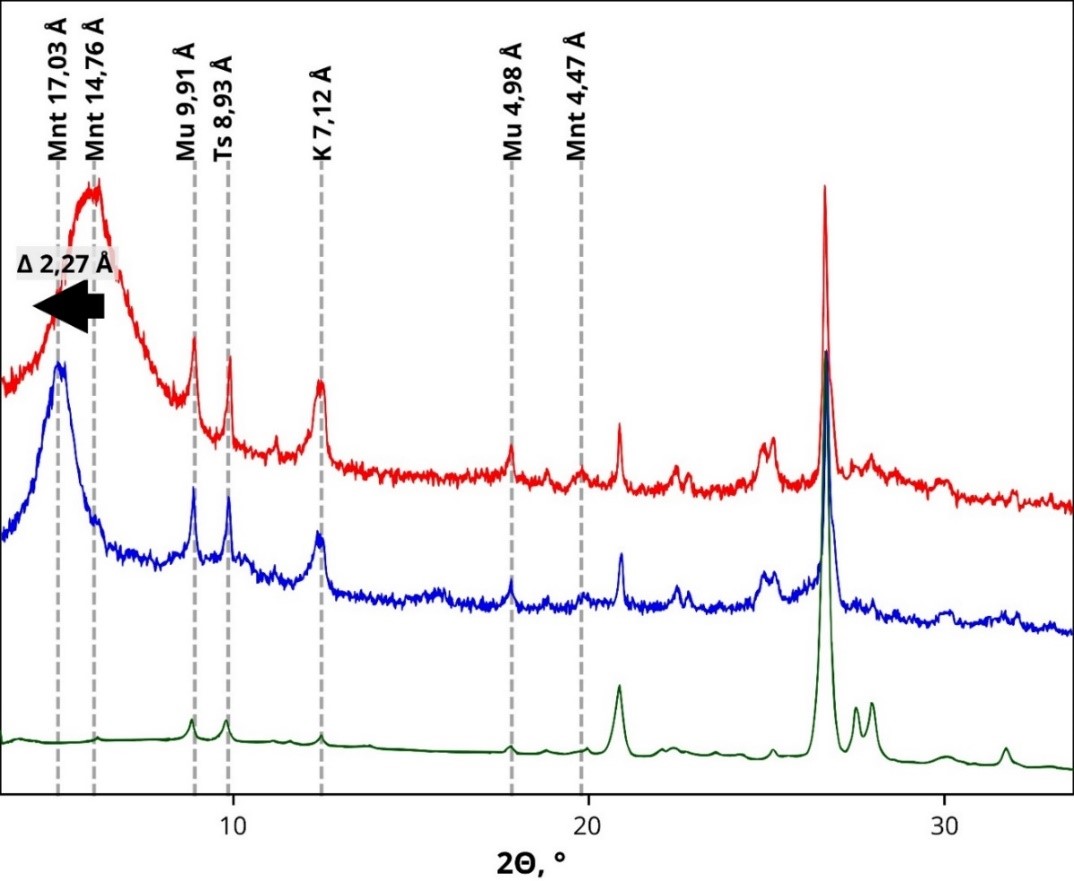
X-ray images of the original core (green line) and oriented sample of the isolated clay fraction in dry form (red line) and after its saturation with ethylene glycol (blue line). The arrow shows the shift of the montmorillonite peak to the near angular re
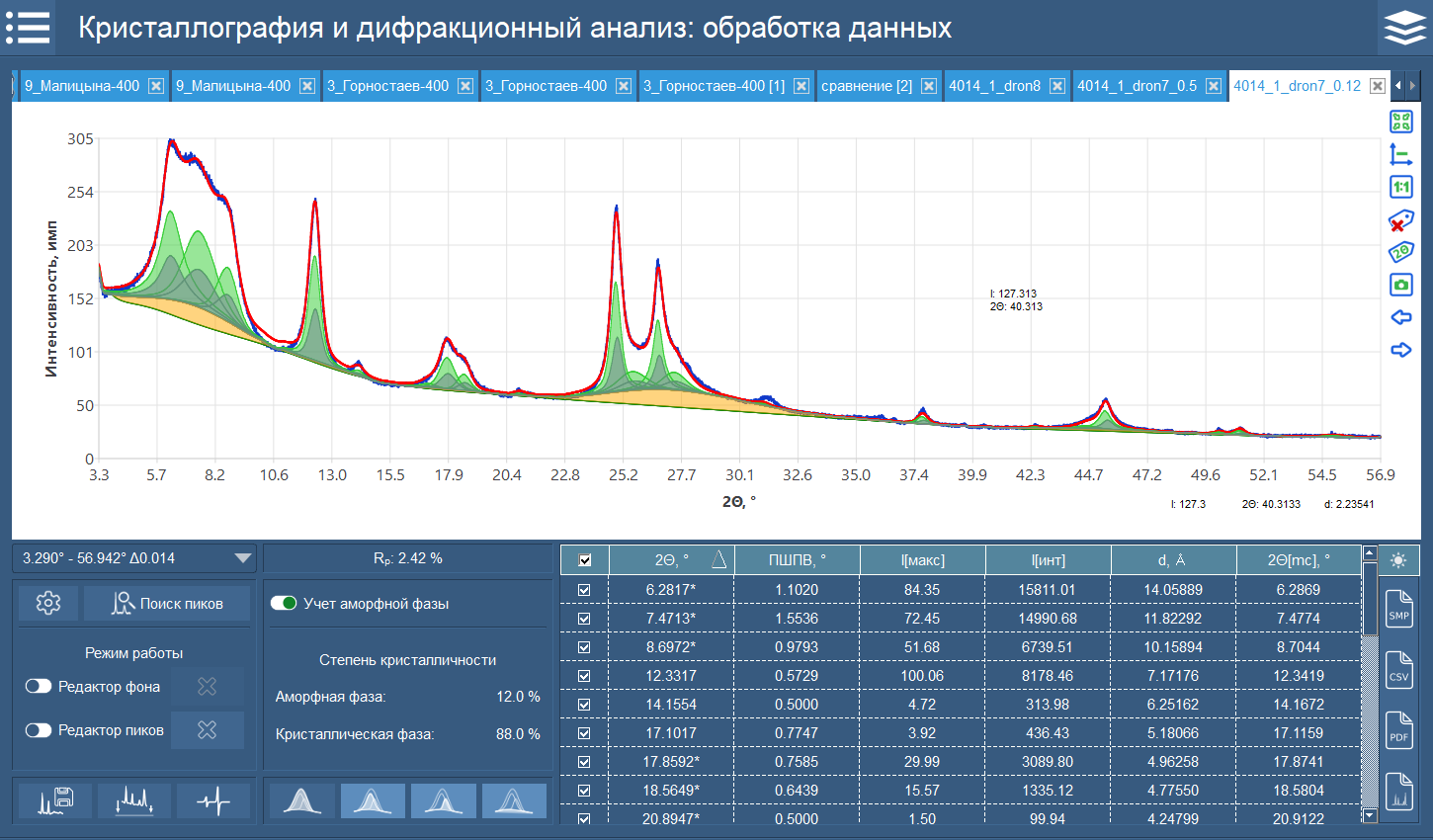
Analysis of amorphous phase content in clay fraction
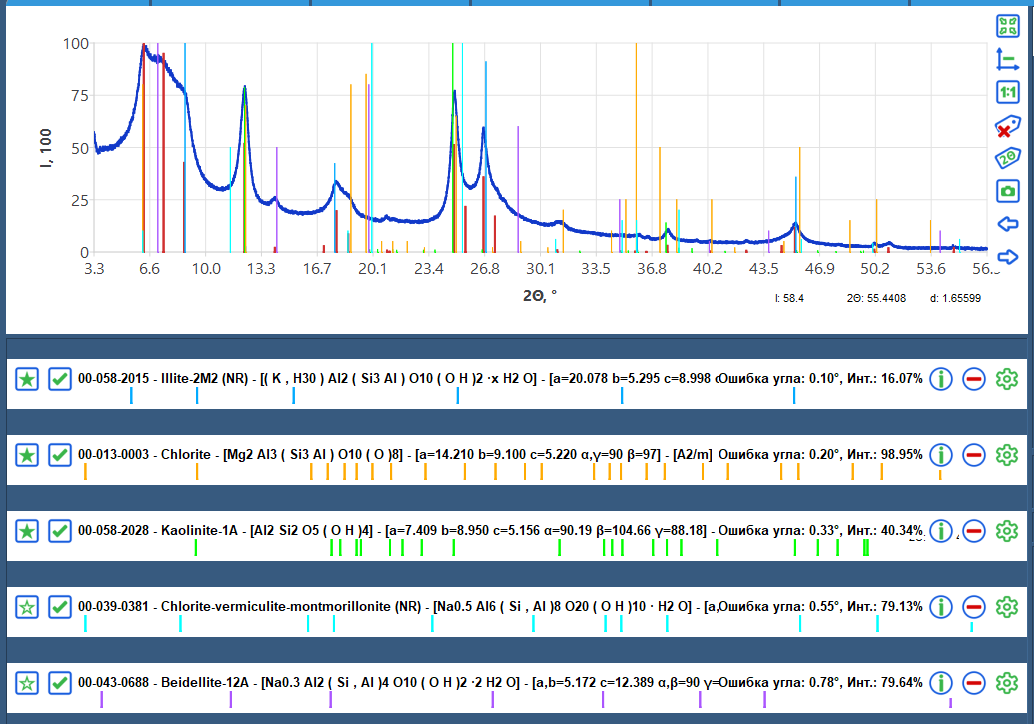
Diagnosis of mineral content in the clay fraction
Quantitative analysis of rock by the full-profile Rietveld method
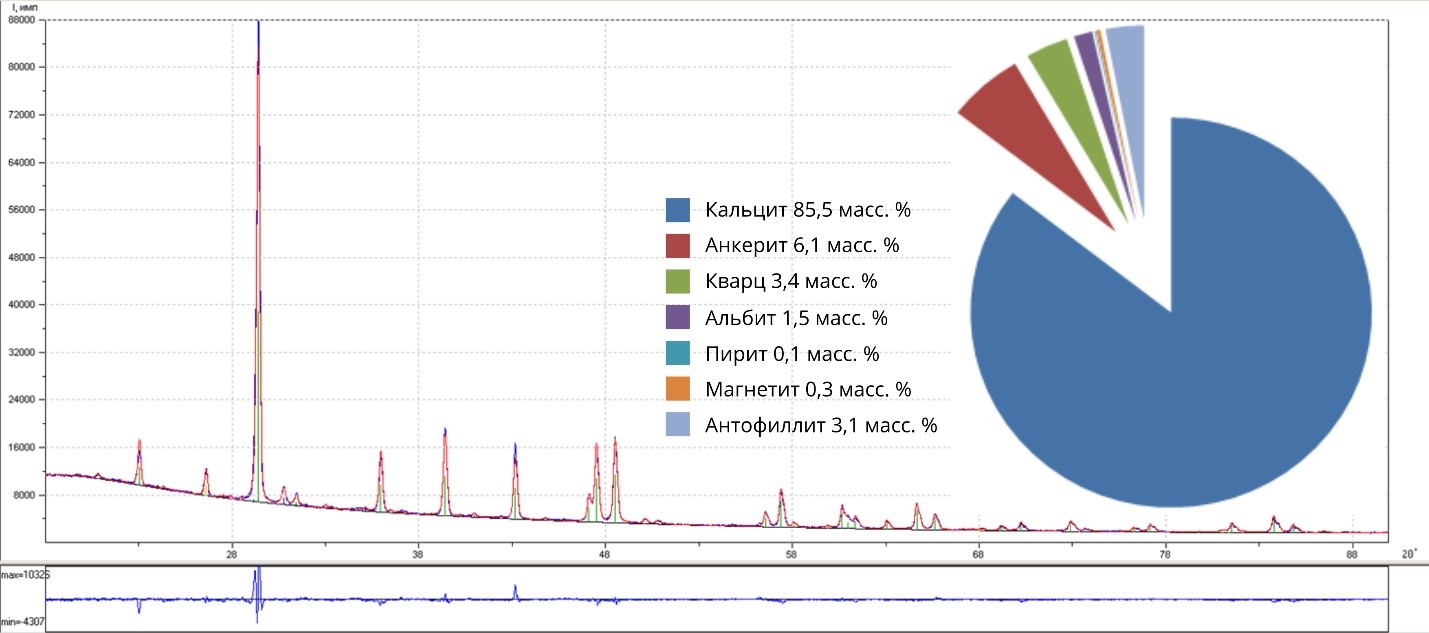
Quantitative analysis of carbonate rock by the full-profile Rietveld method
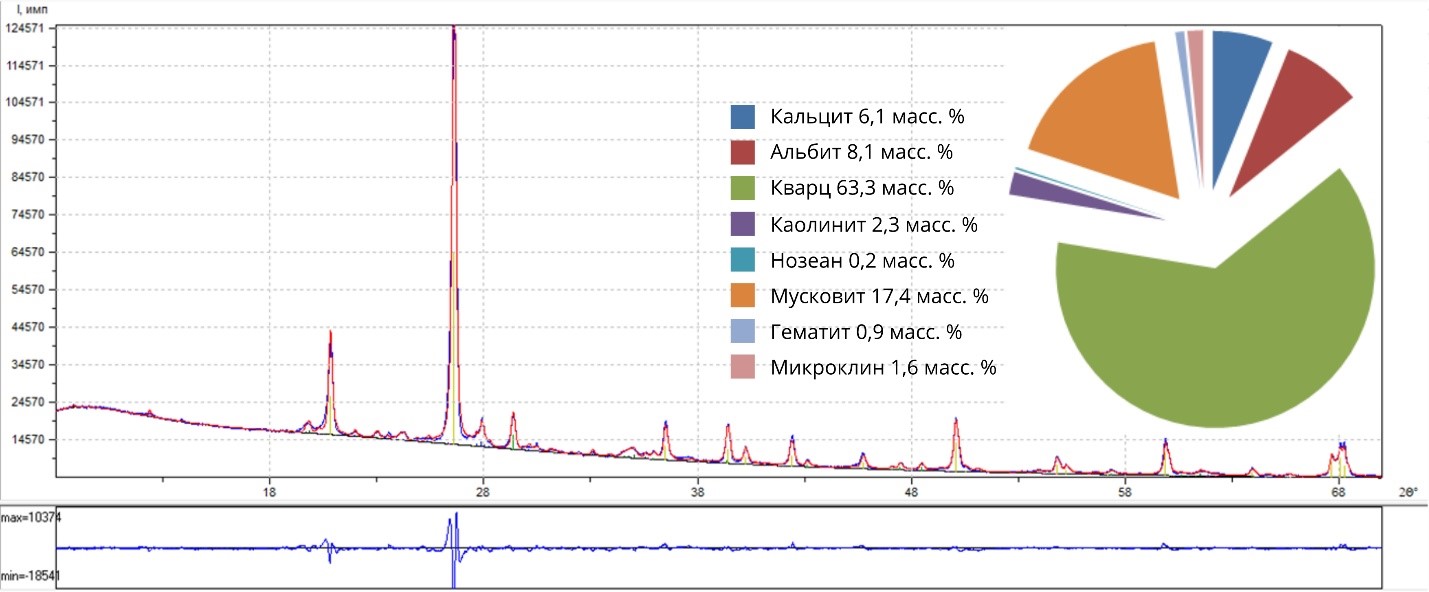
Quantitative analysis of sandstone by the full-profile Rietveld method
Сonclusion
X-ray diffraction method is one of the most informative methods for mineralogical analysis of mined rocks.
The considered examples clearly demonstrate the functional and methodological capabilities of diffractometers produced by IC Burevestnik JSC, which in combination with analytical software offer a reliable solution of production and research tasks.
