

Bourevestnik implements PDM system
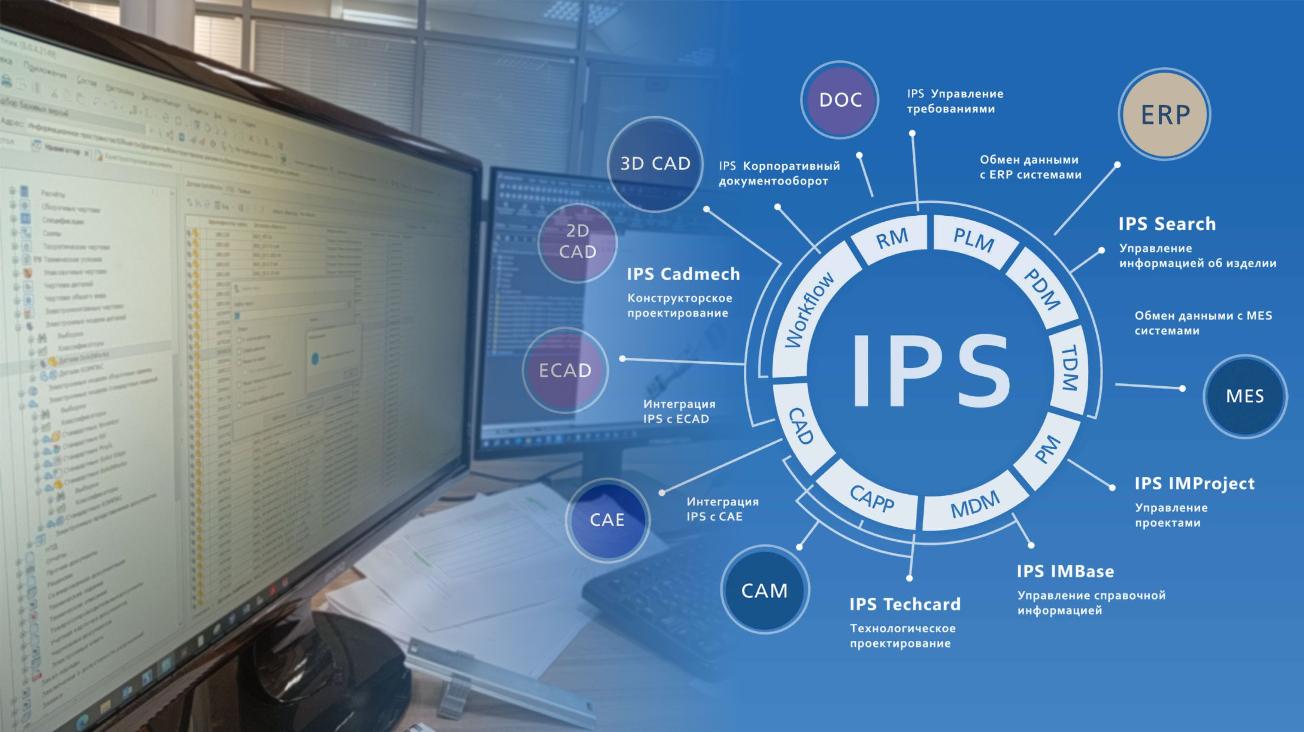
Under the technical guidance of ALROSA IT, Bourevestnik JSC is completing a large-scale project to reimplement a PDM system. Grigory Obolonsky, Chief Technologist at the Innovation Center, and Alexander Zelentsov, Head of the Integrated Analytical Technology Department, discuss the progress, expectations, and prospects of the project.
The project to reimplement the PDM system at Bourevestnik JSC, a software complex that provides data management at all stages of documentation development, production preparation, release, and product operation, is entering its final stage. The system was launched into commercial operation at the end of December, 2025.
The IPS (Intermech Professional Solutions) system, the latest development from INTERMECH, will replace the outdated DOS programs and products currently in use at the enterprise. Comprehensive automation based on the IPS product has proven itself at more than 4,000 enterprises in Russia and the CIS countries.
"Abandoning outdated DOS programs is one of the key objectives of the project," explains Grigory Obolonsky, chief technologist of the enterprise. "The introduction of IPS will eliminate the risks associated with the use of unstable software. Documents will be coordinated electronically. We look forward to working in a modern, stable information system."
The IPS system will become a unified information system for design and technological preparation of production (DTP), as well as a source of information for the ERP production system. The key objectives of the implementation are to optimize R&D costs, increase production volumes, eliminate double data entry procedures, and improve the quality of the documentation being developed.
"The electronic structure of products will be created not in outdated ARM BMN, but by design departments - developers," notes Grigory Vladimirovich. "IPS will become the central information system of KTPT, the primary source of design and technological documentation."
Document approval, reference information management, and changes will all be covered by new business process routes. All structural divisions will be able to use a single system, which will increase the number of users and speed up processes.
Alexander Zelentsov, head of the integrated analytical technology department, emphasizes: "As many departments as possible must be involved to speed up business processes. The expectation is to obtain stable software that allows for the development and support of the product life cycle with maximum efficiency."
To date, the preparation and design stages of the system have been completed, mock- ups have been created, and trial industrial operation has been carried out: pilot products have been developed and agreed upon, and business processes have been tested and refined. At the same time, an integration solution with Infor ERP Syteline has been developed, and historical data has been migrated during the transition to industrial operation.
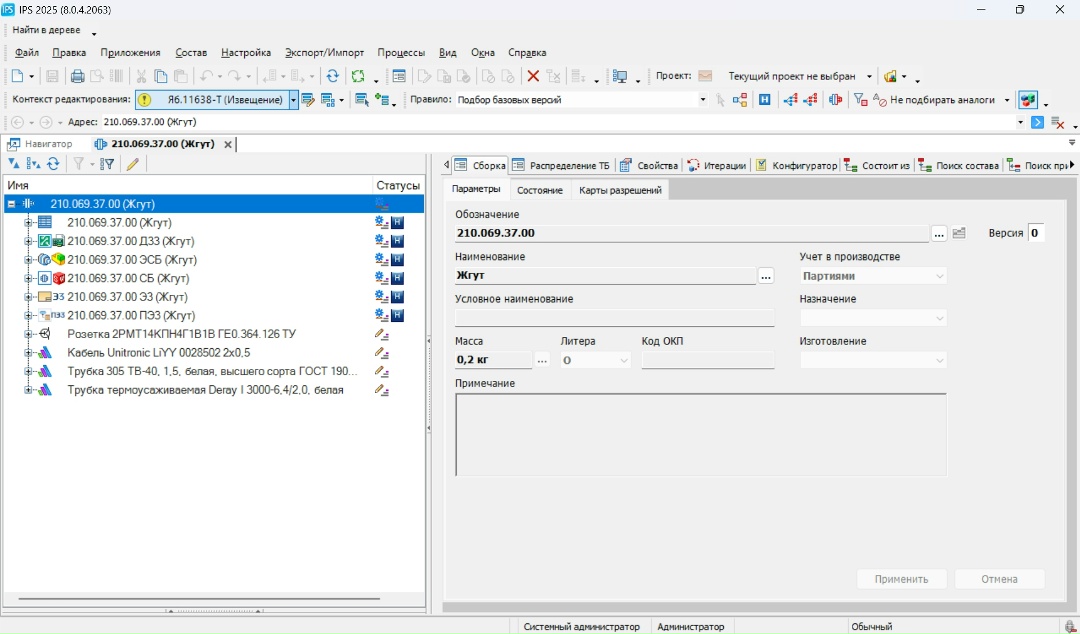
"We are at the start of industrial operation, and I expect a mass transition next year," comments Alexander Alexandrovich. "The pace is acceptable, and industrial operation will show how successfully everything has been implemented."
According to the chief technologist, the main difficulty was the need to allocate additional time and staff resources. "All employees involved in the project took a responsible approach to the tasks assigned to them. Feedback with the INTERMECH group was excellent. The team approach and common goal helped us in our work," notes Grigory Vladimirovich.
After IPS is put into industrial operation, the system will continue to develop: there are plans to transition to digital document management and version 9.0. The success of the project depends on the active participation of each employee in the change process and timely reporting of any problems that arise.
